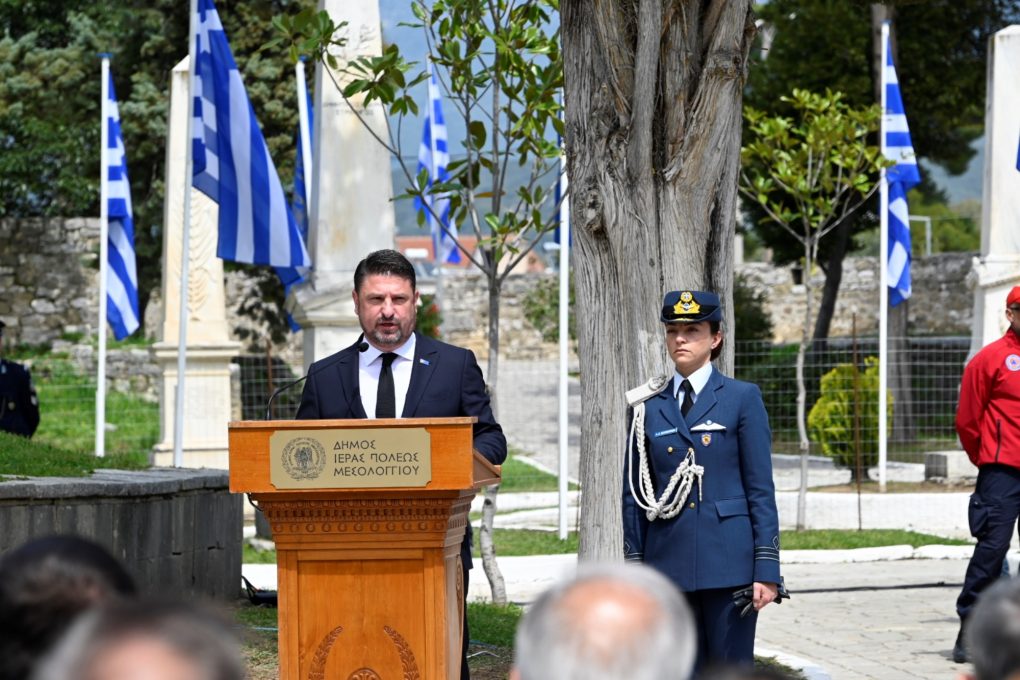
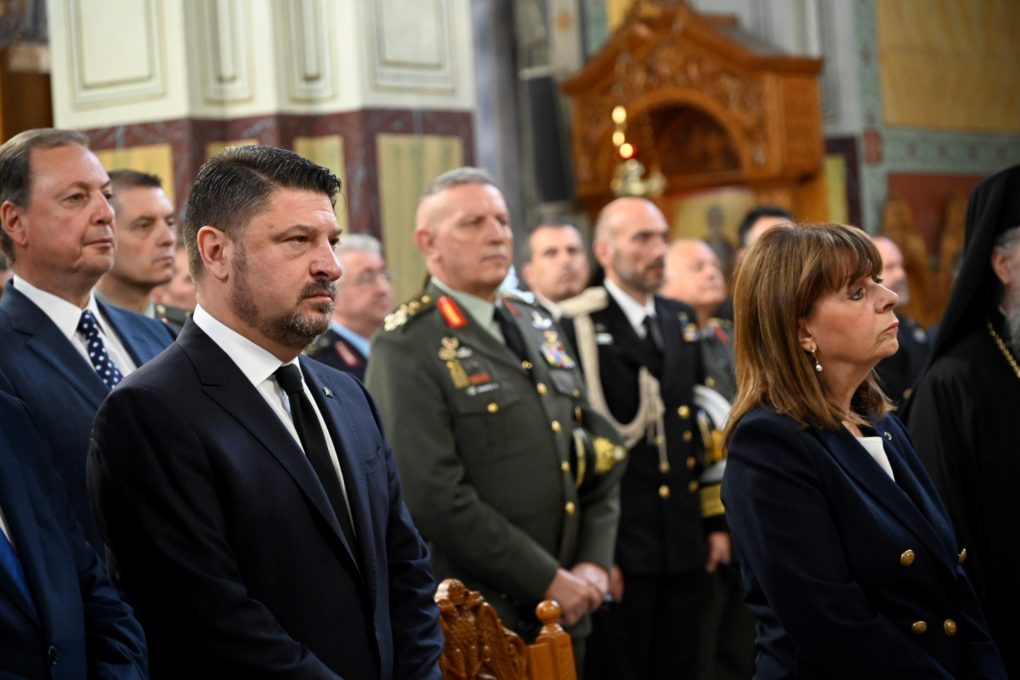
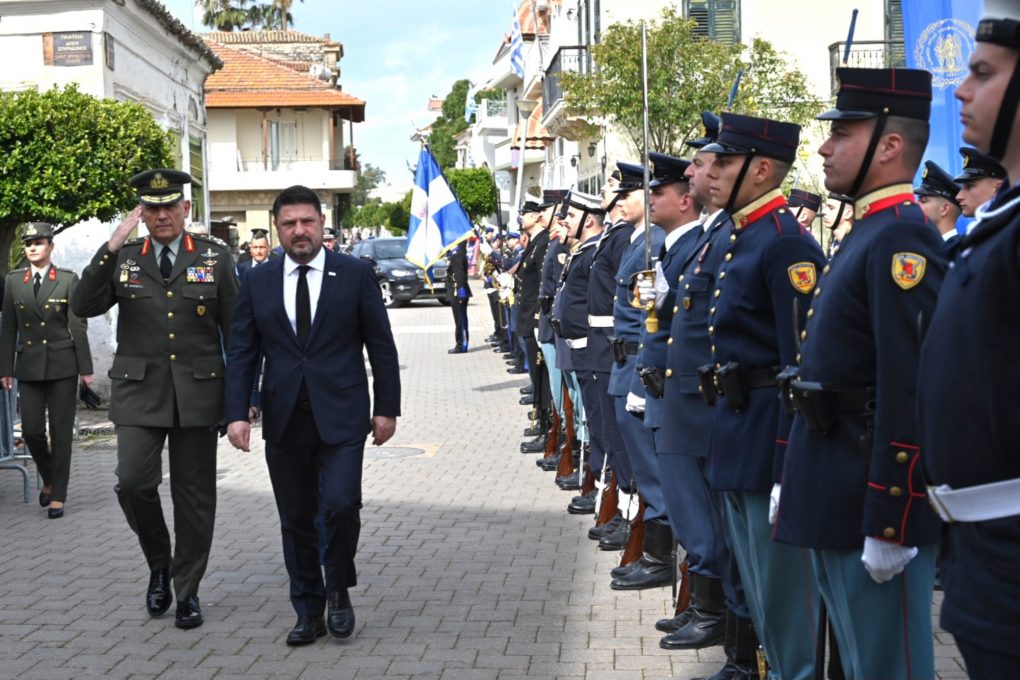
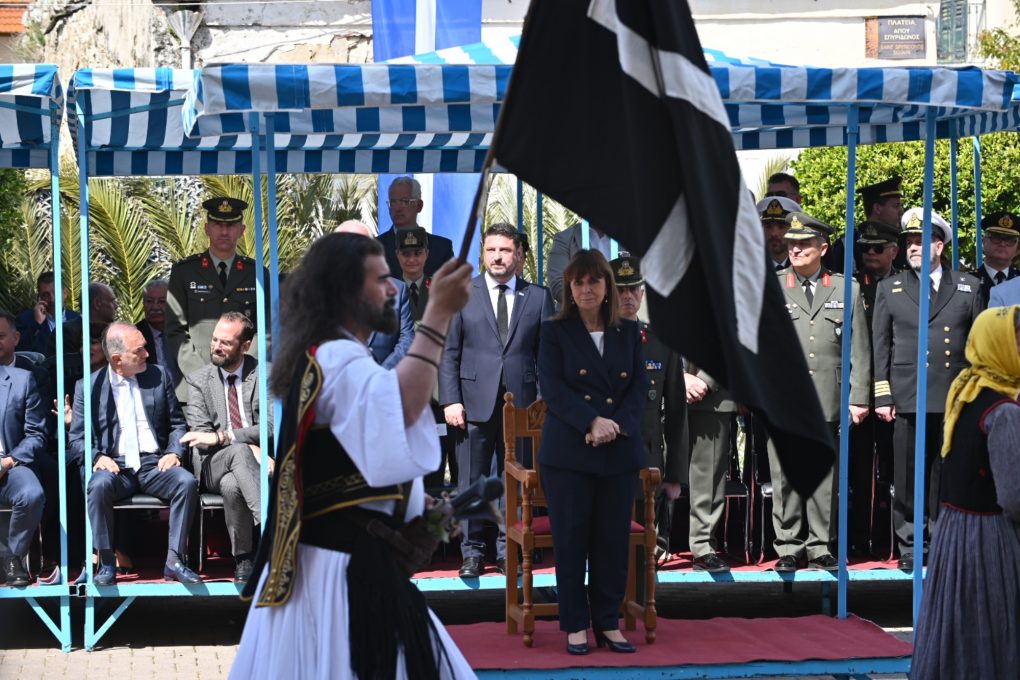
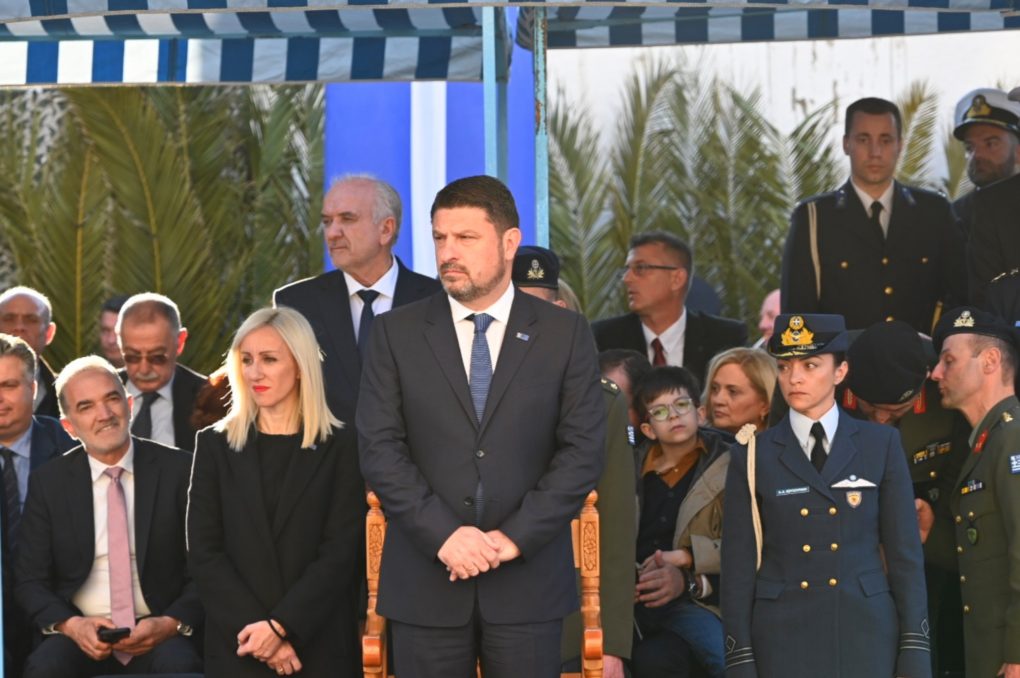
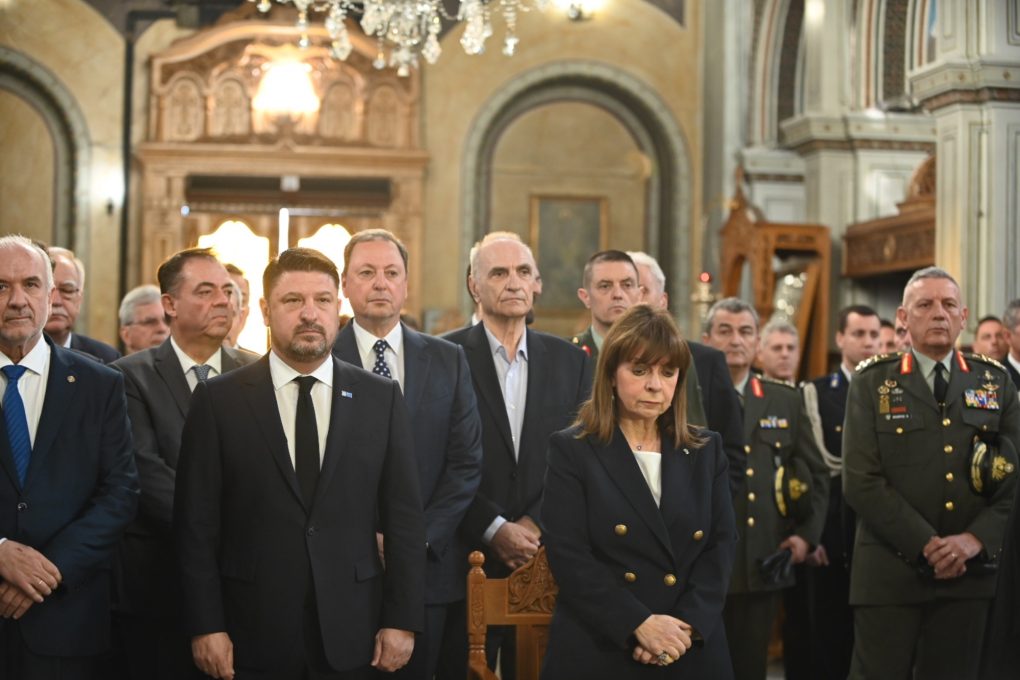
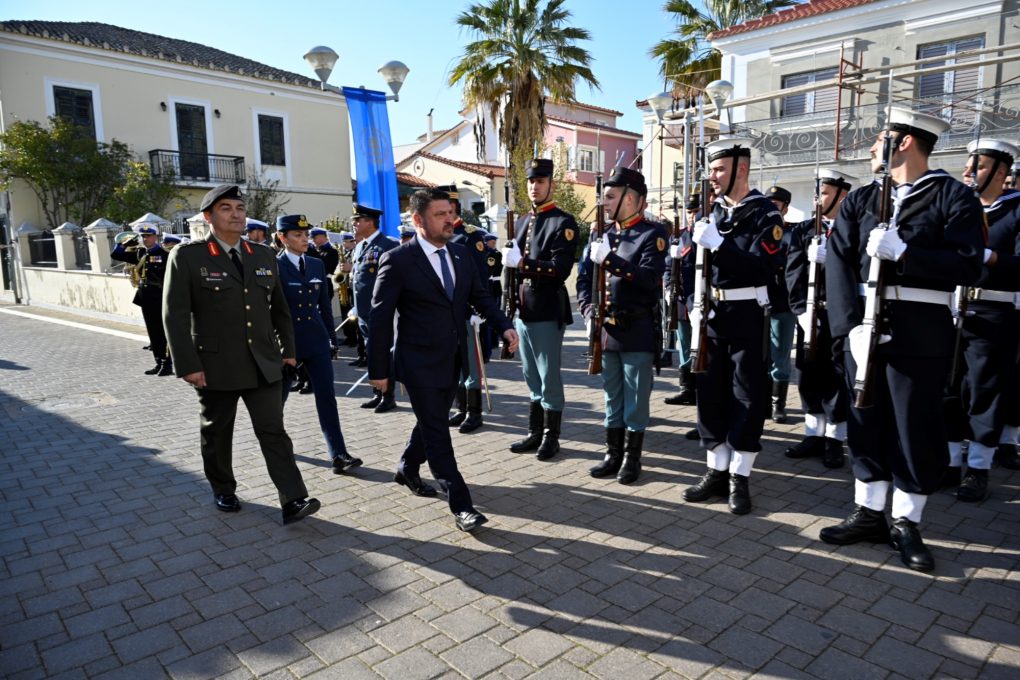
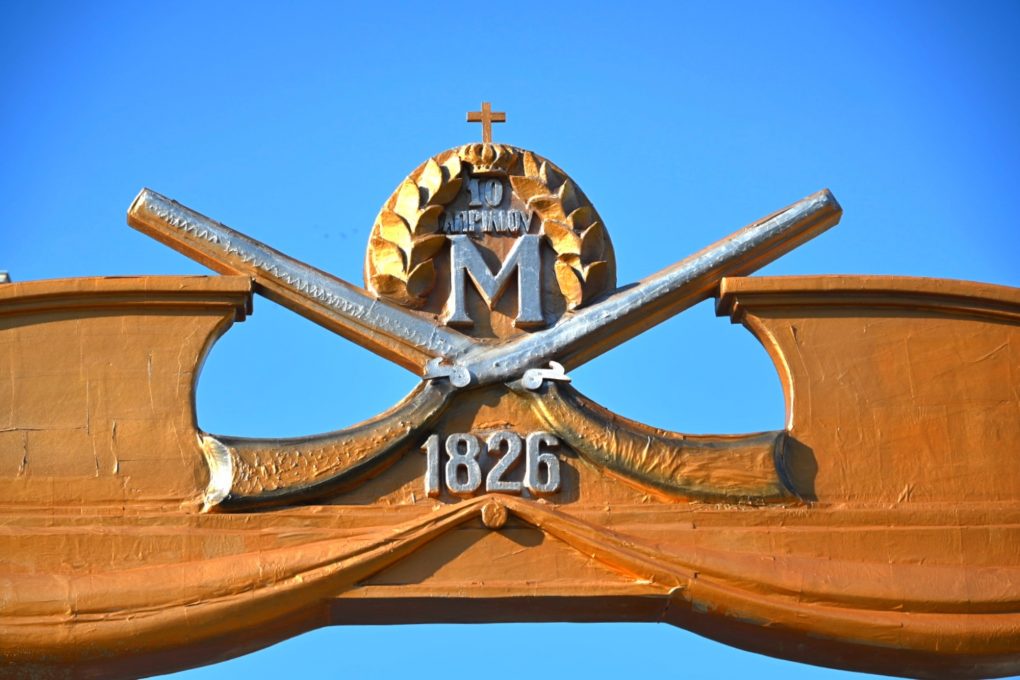
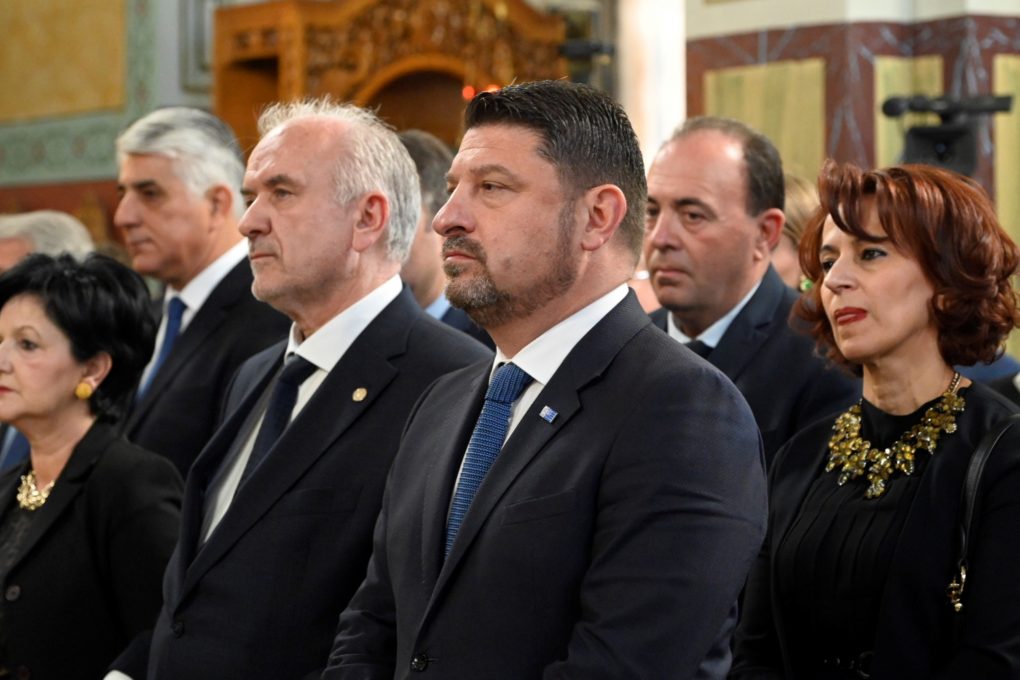
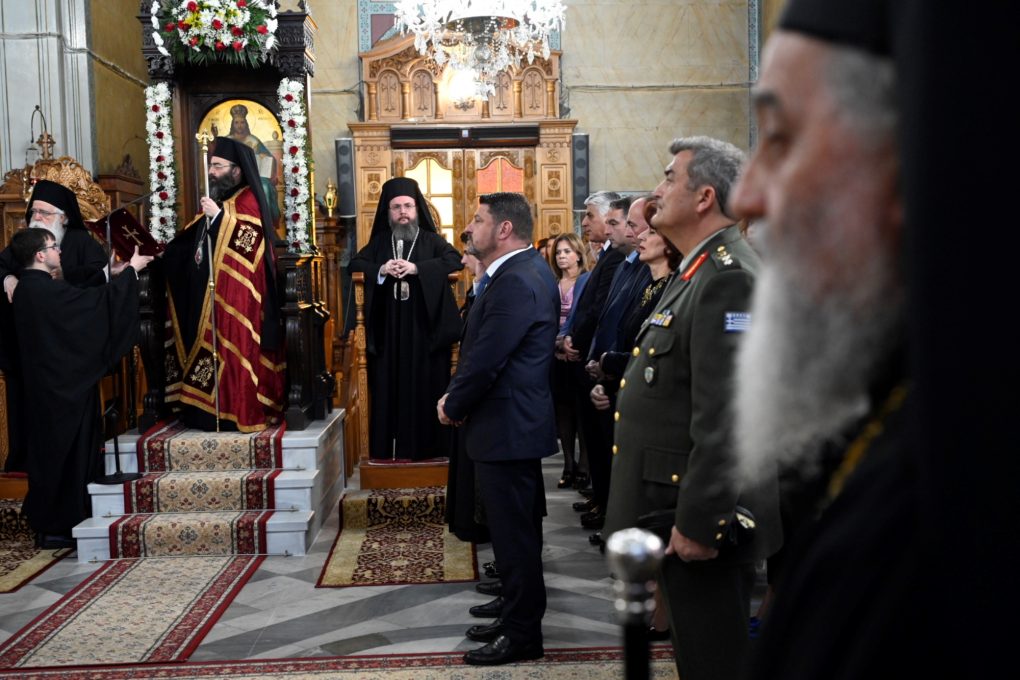
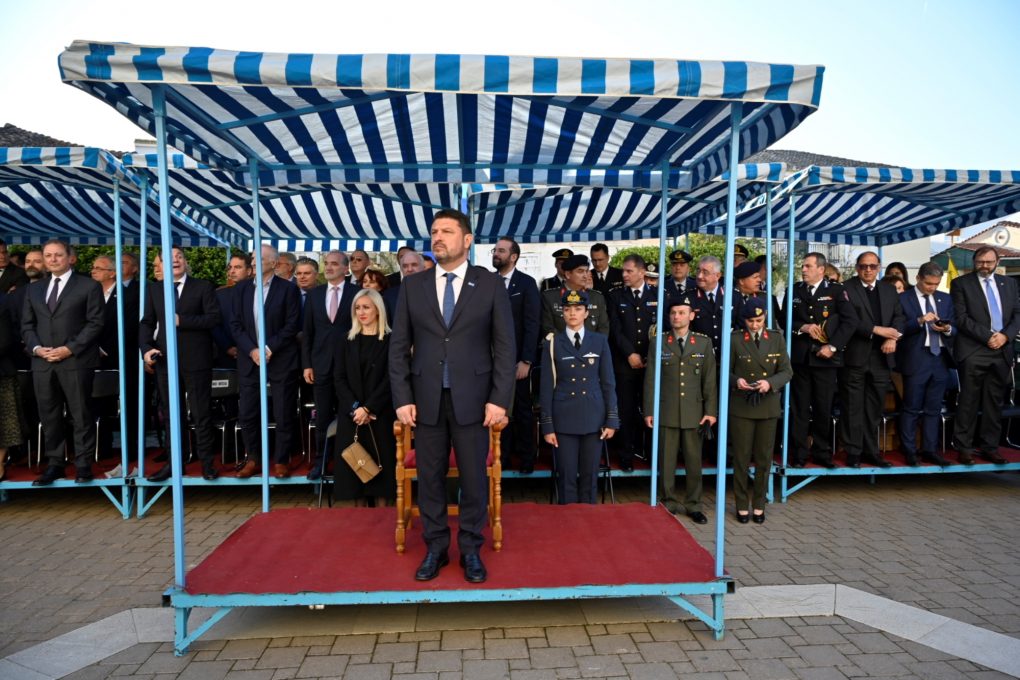
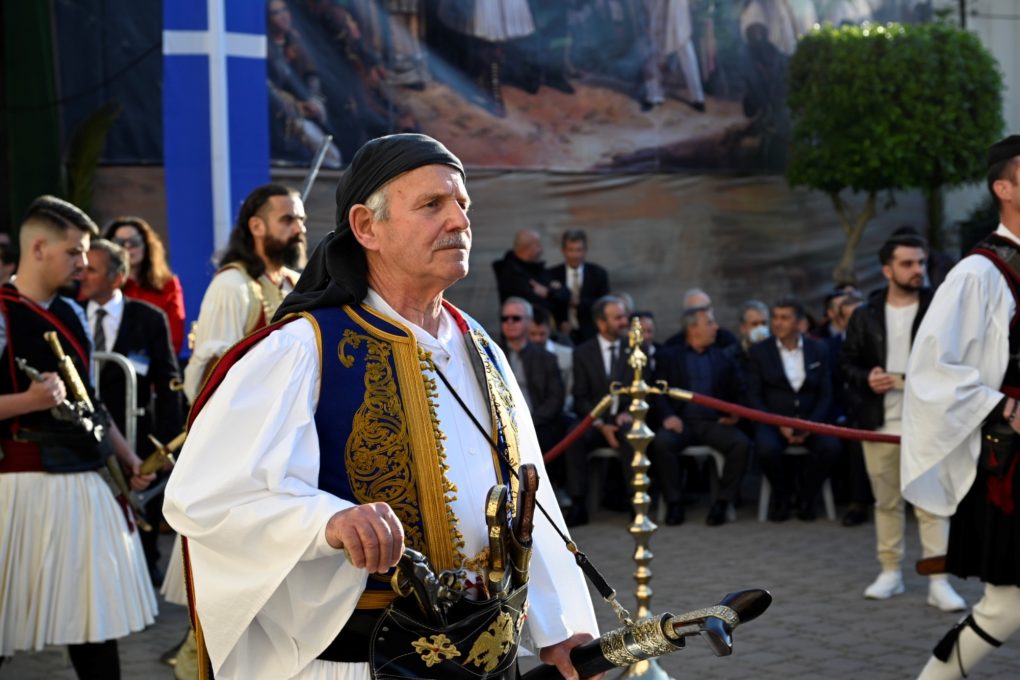
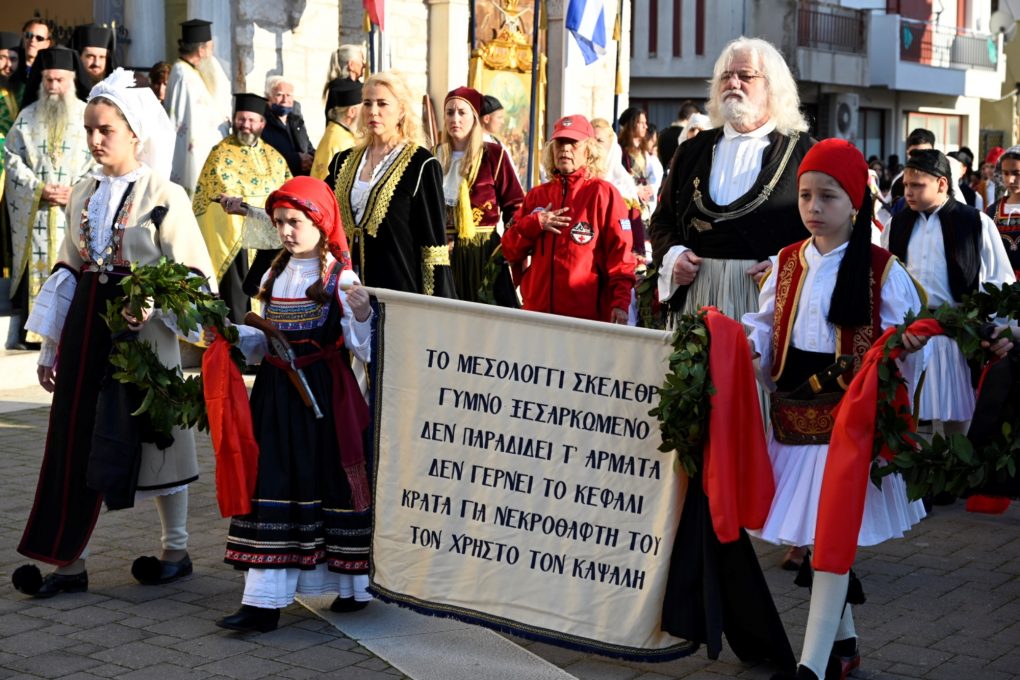
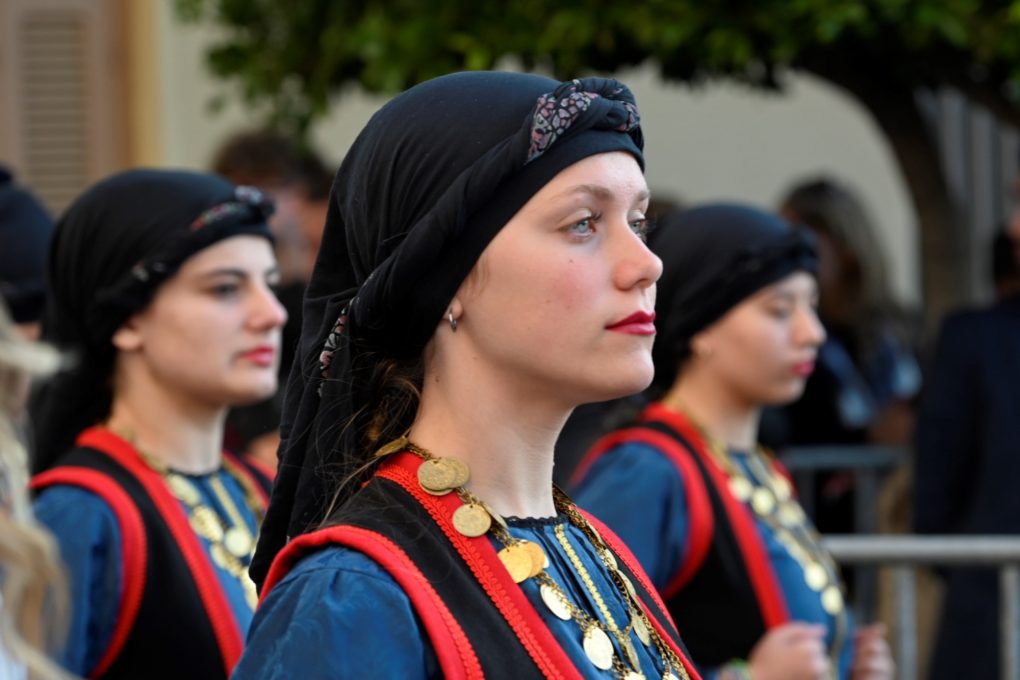
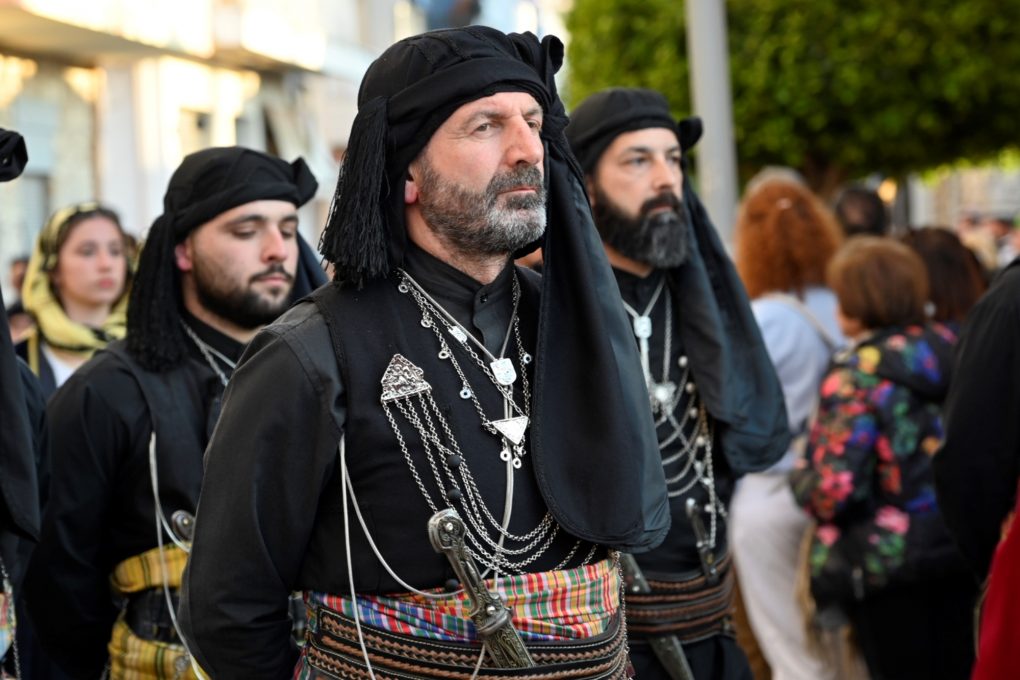
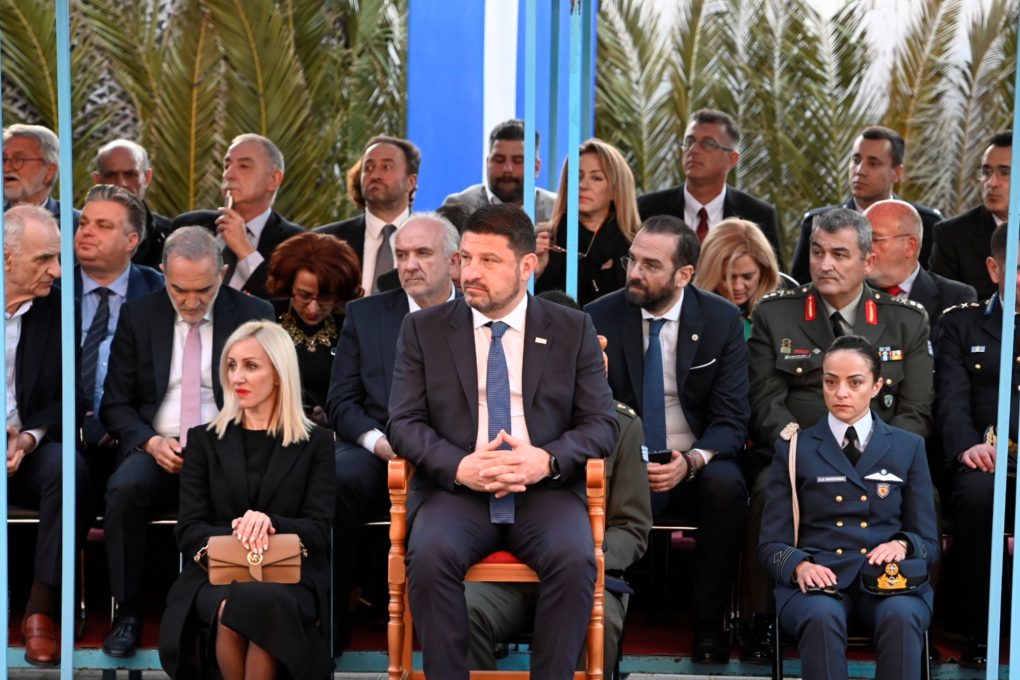
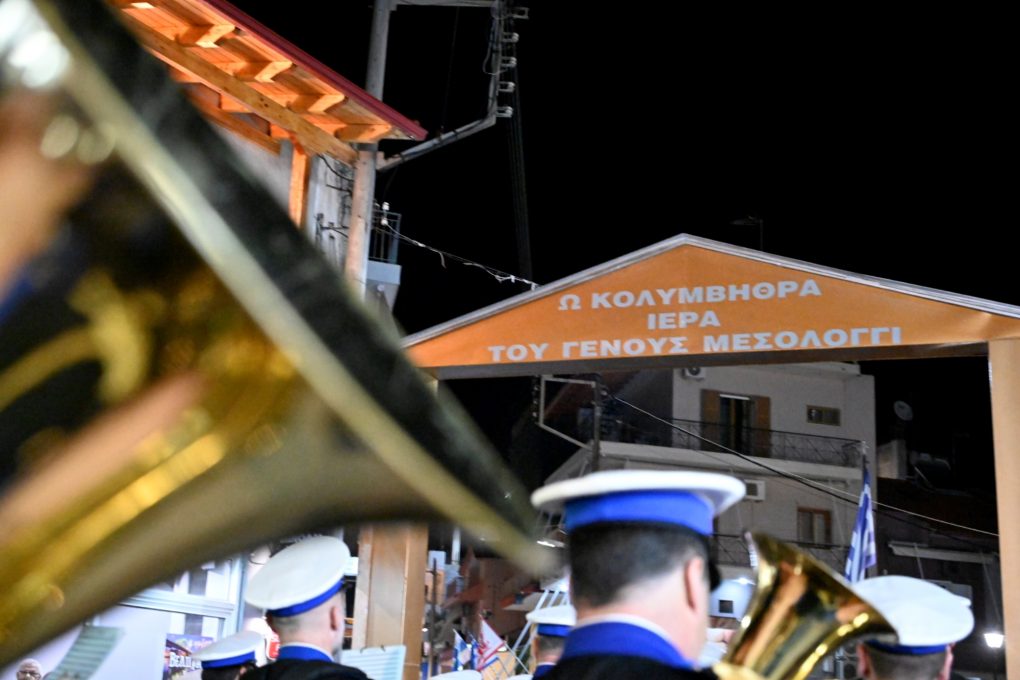
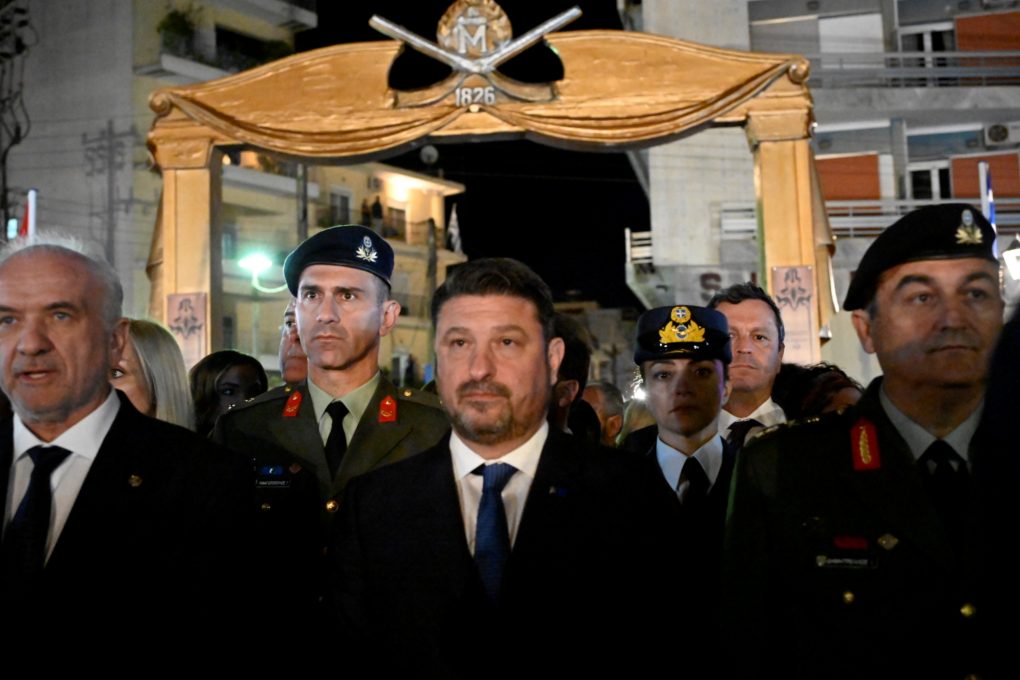
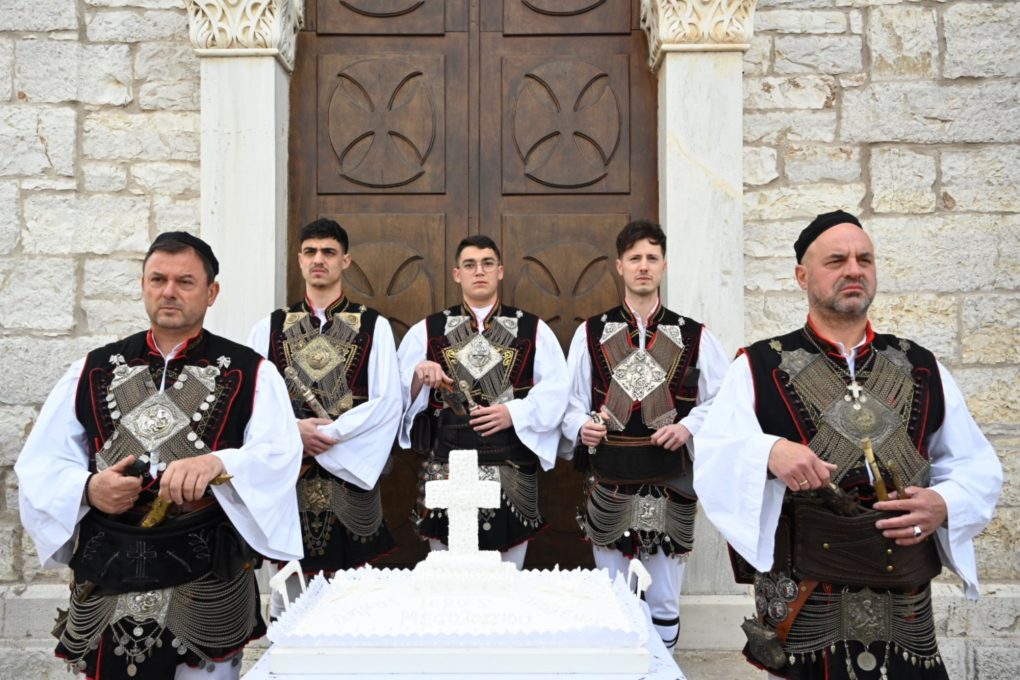
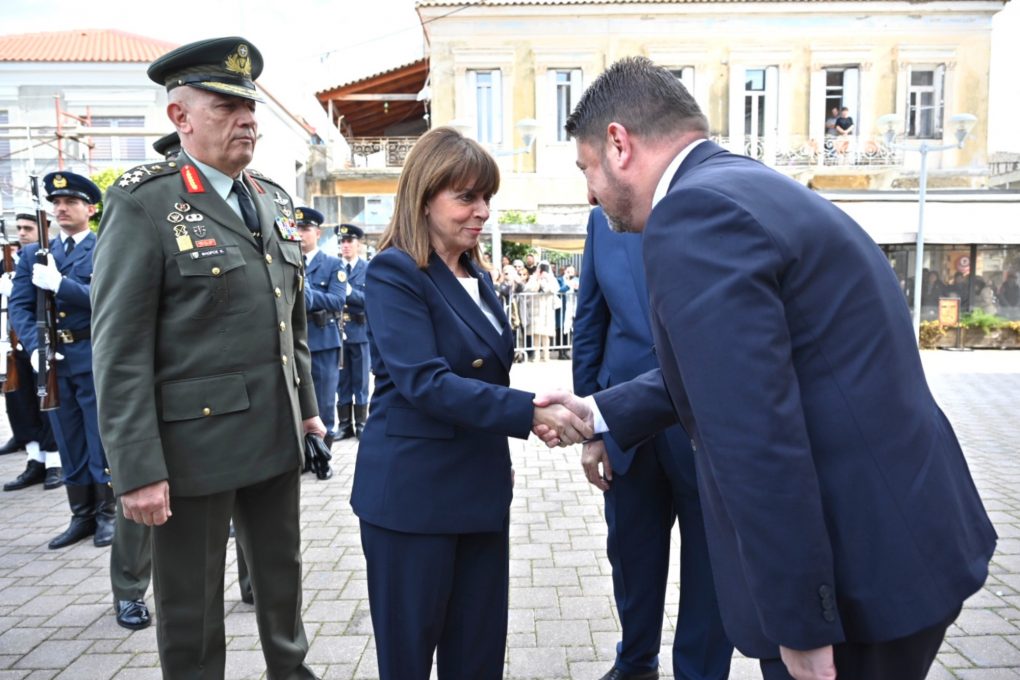
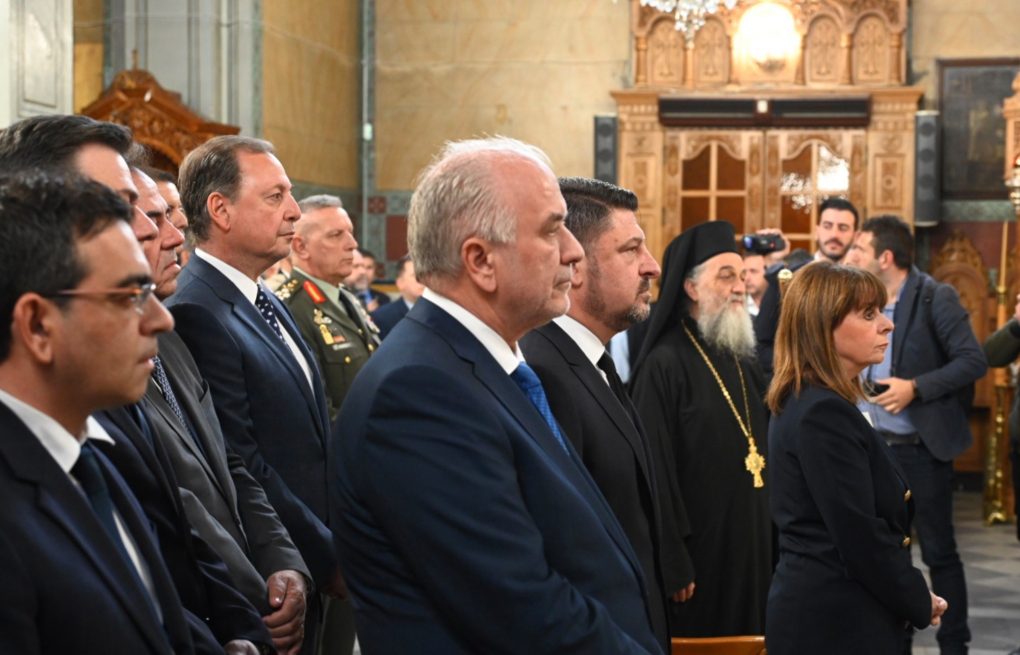
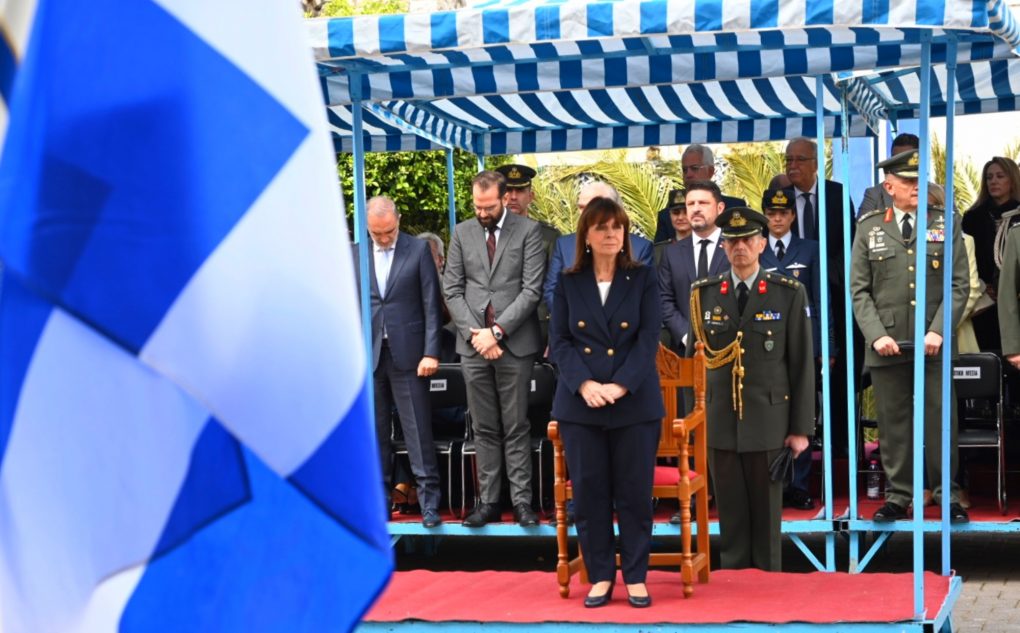
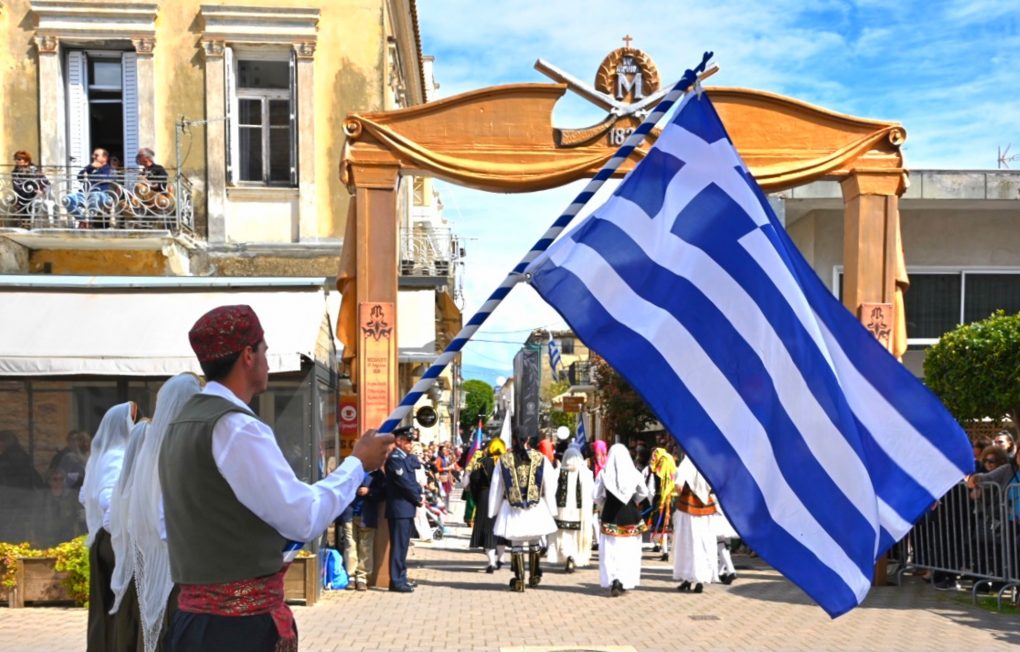
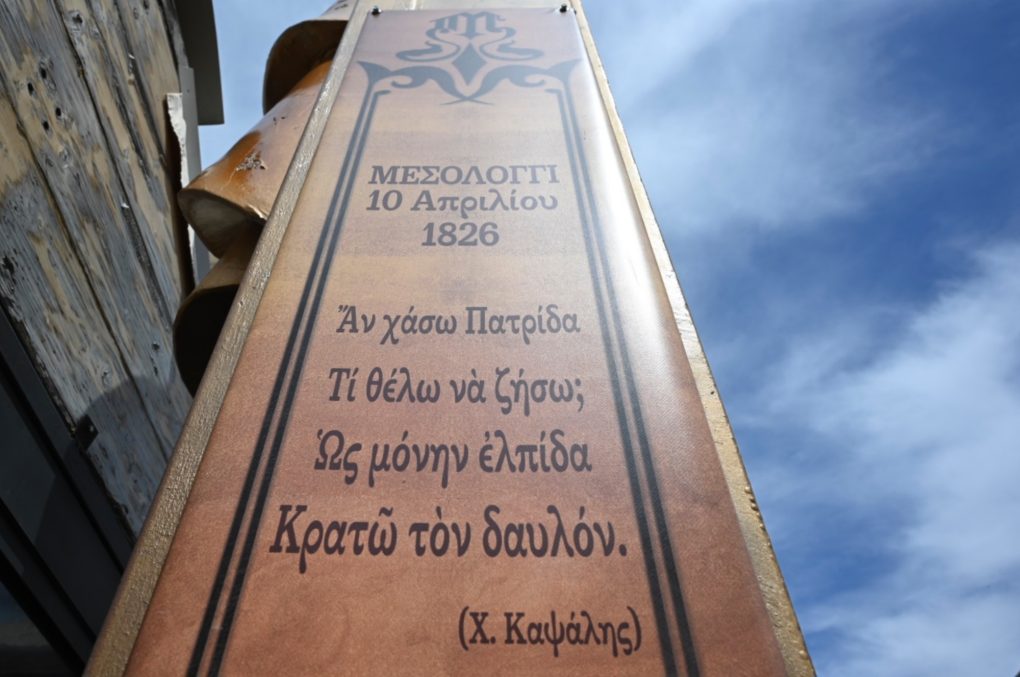
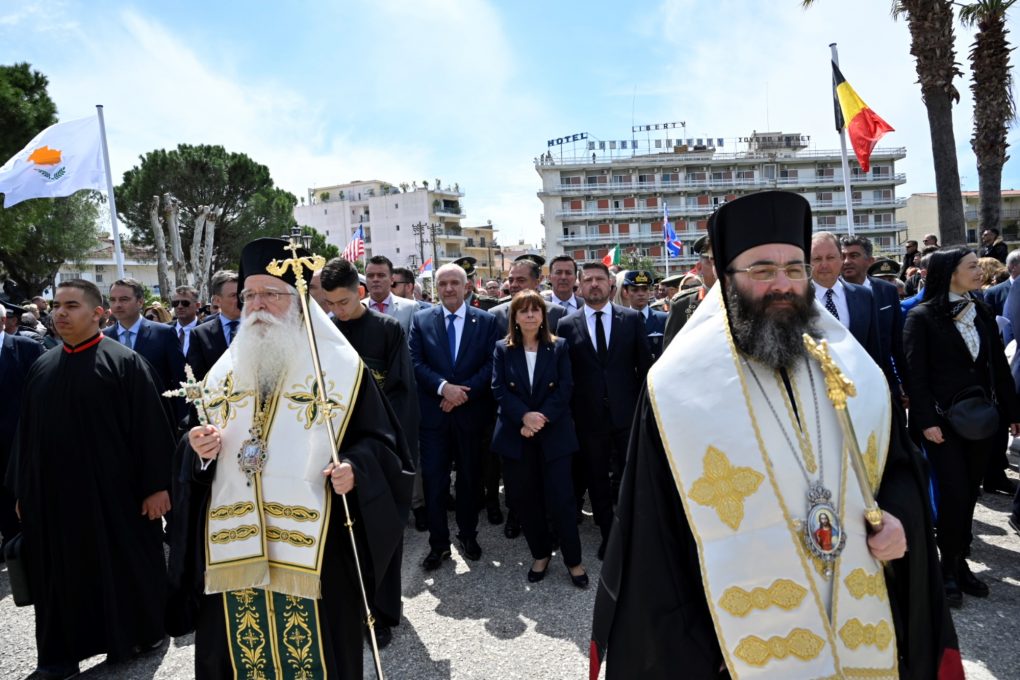
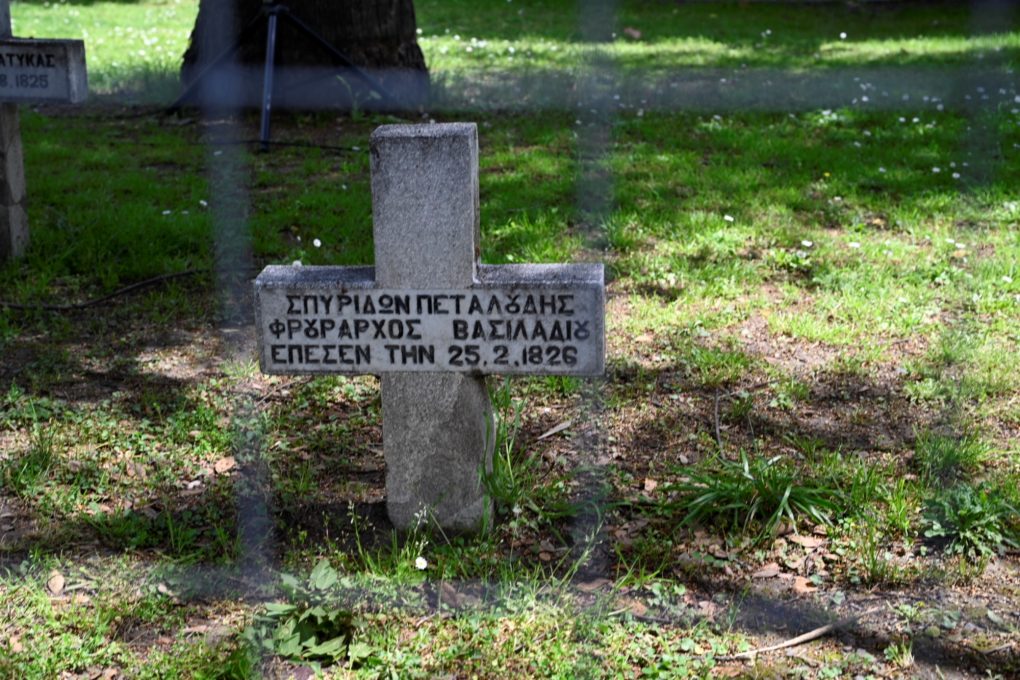
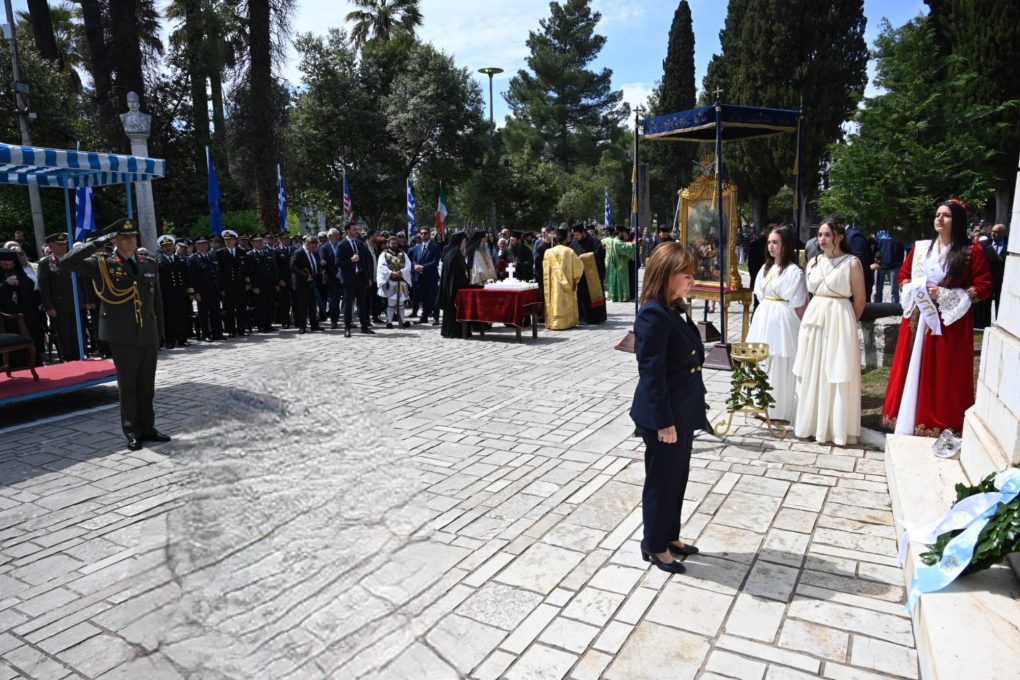
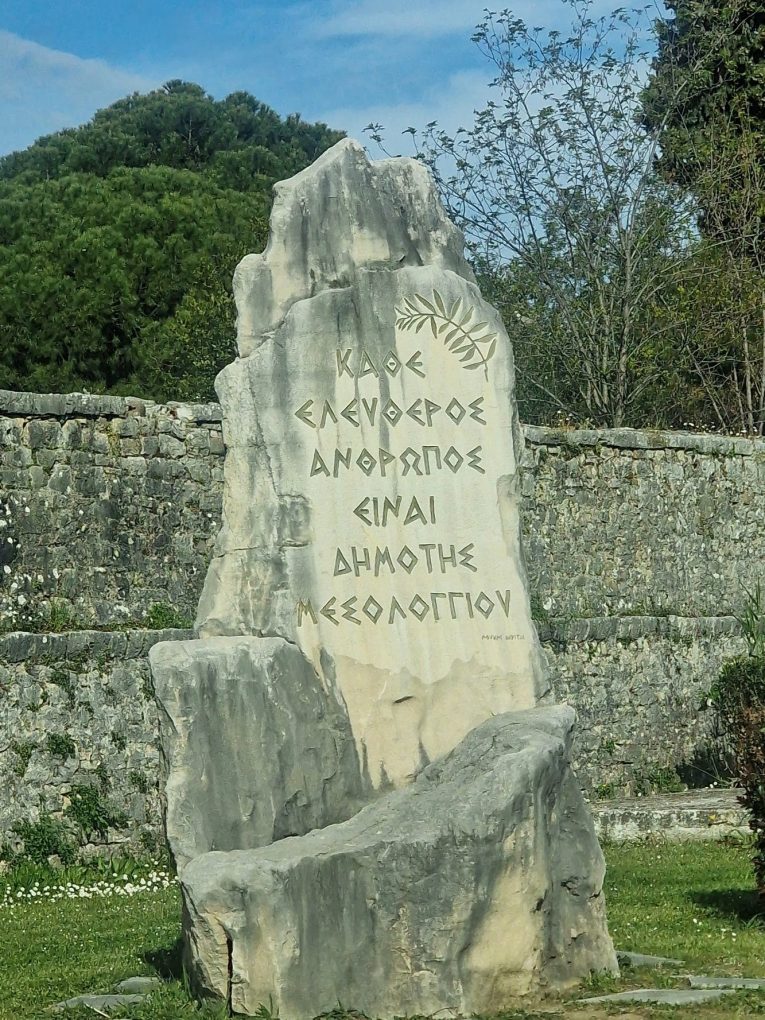
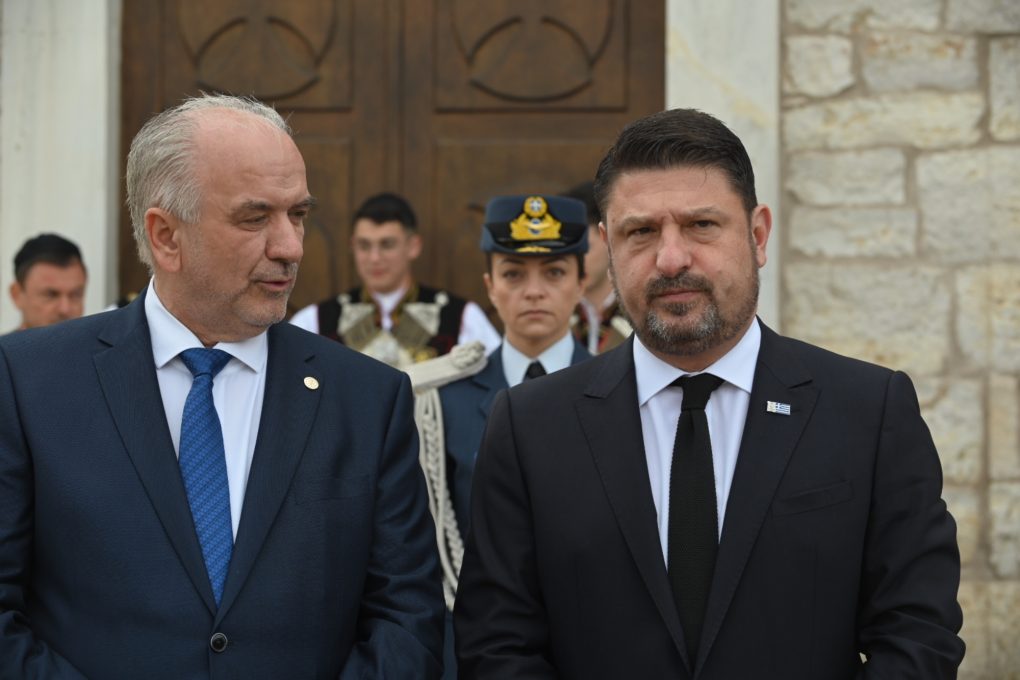
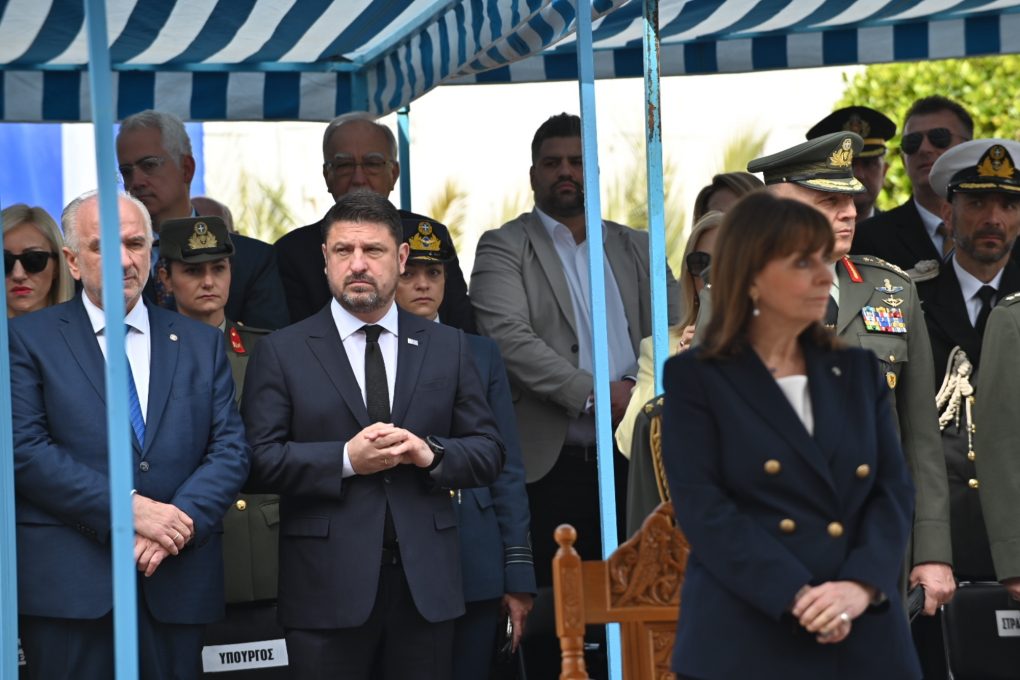
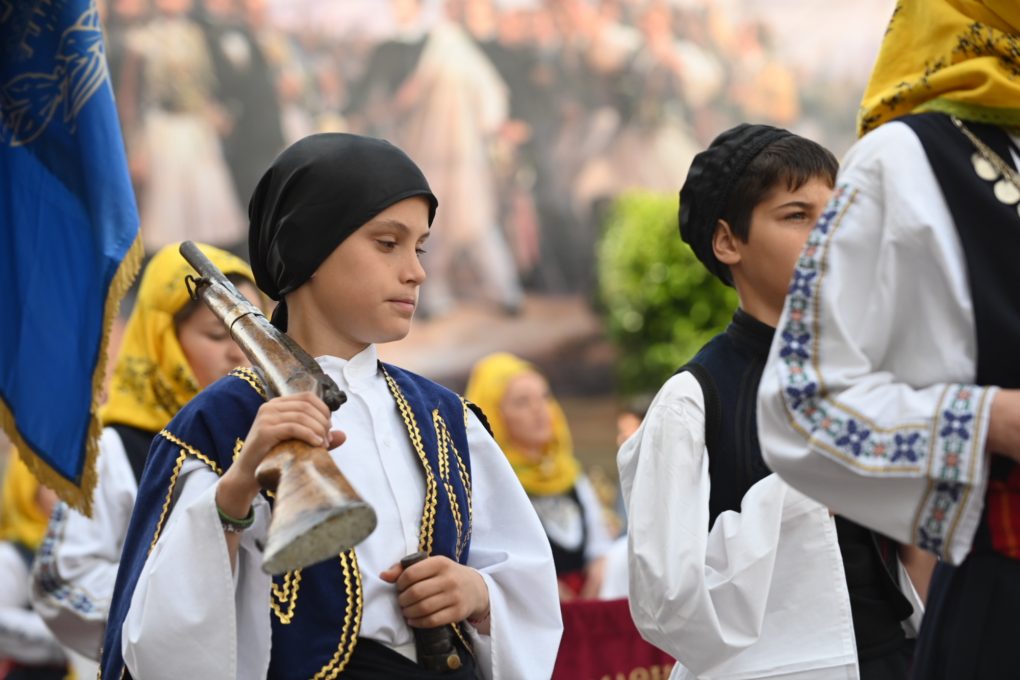
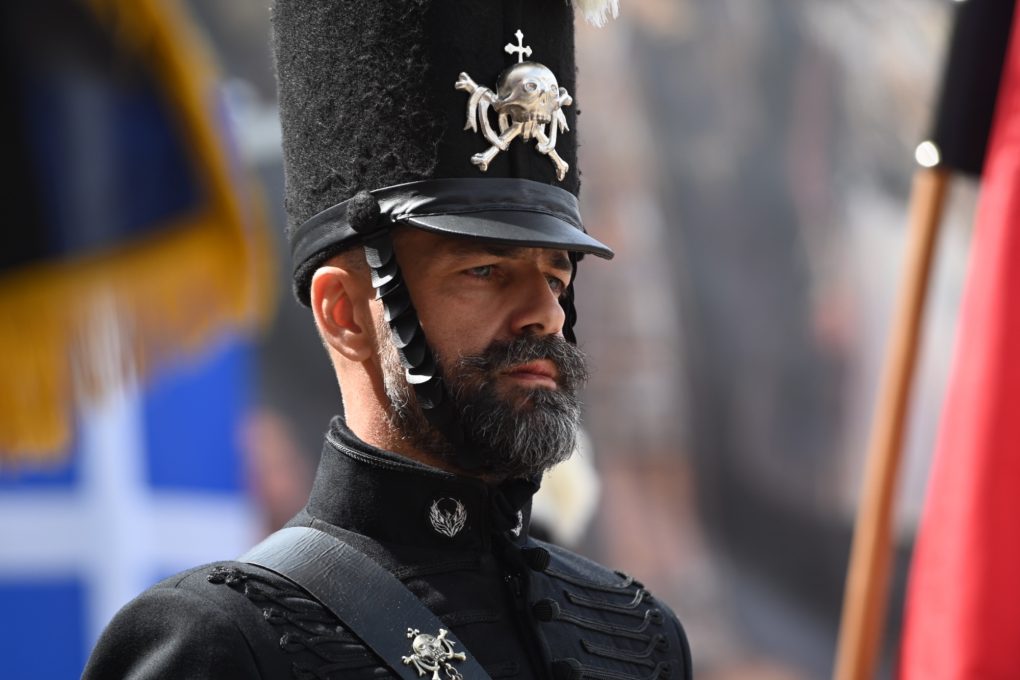
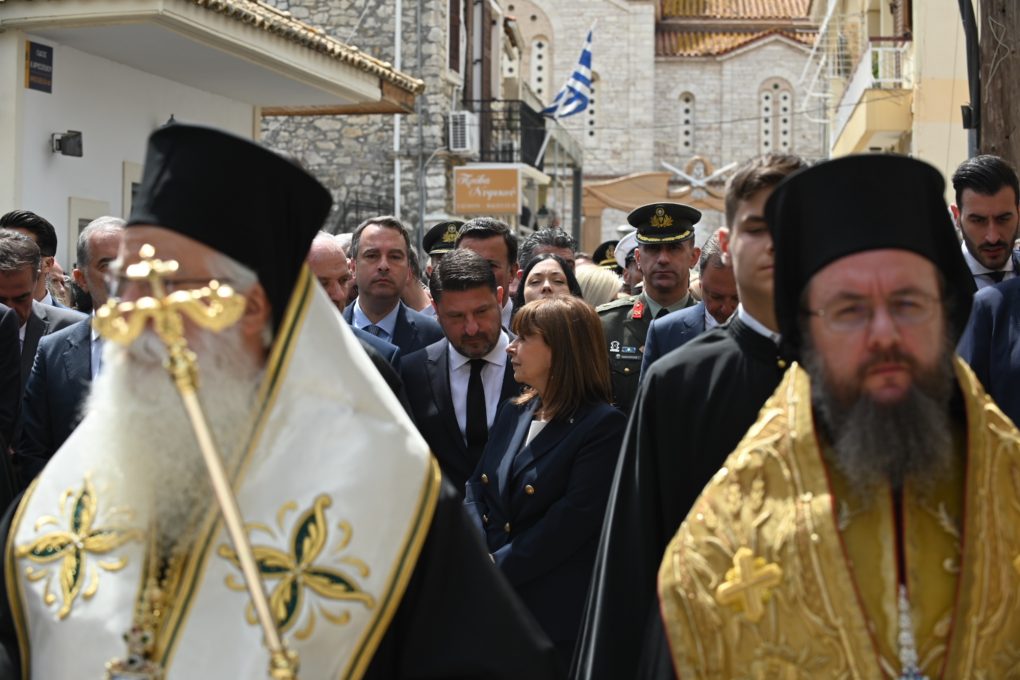
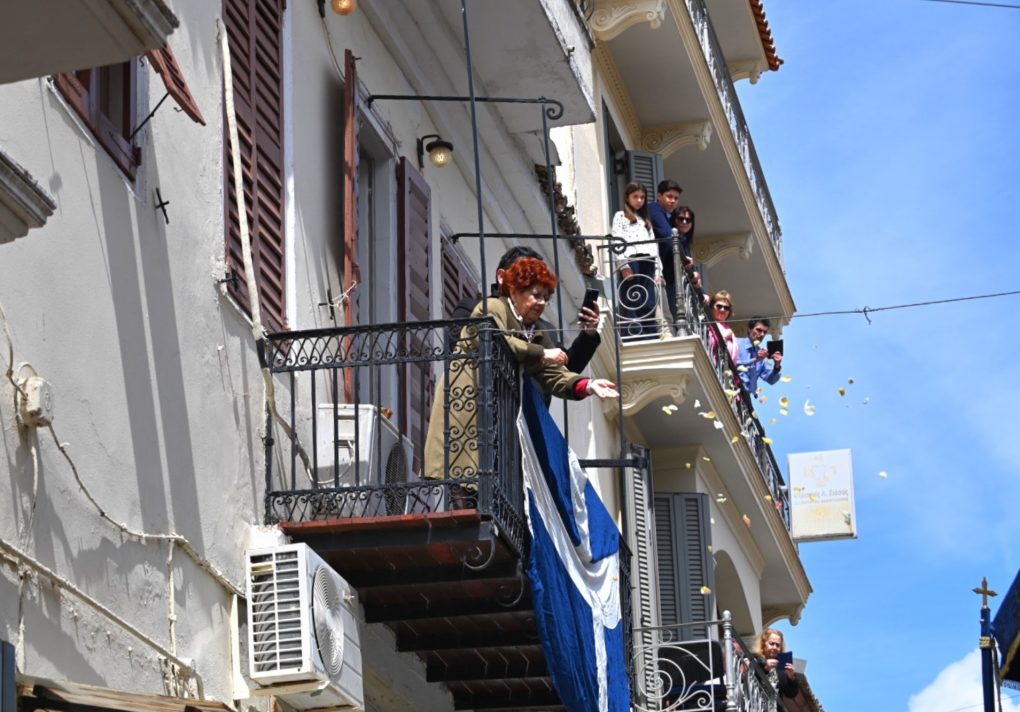
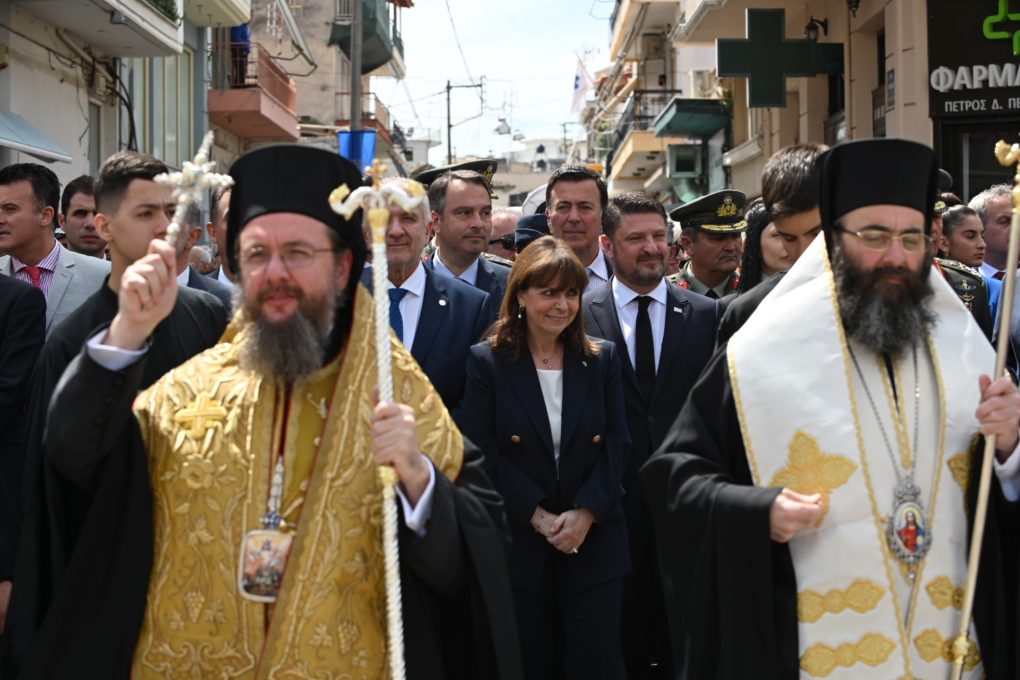
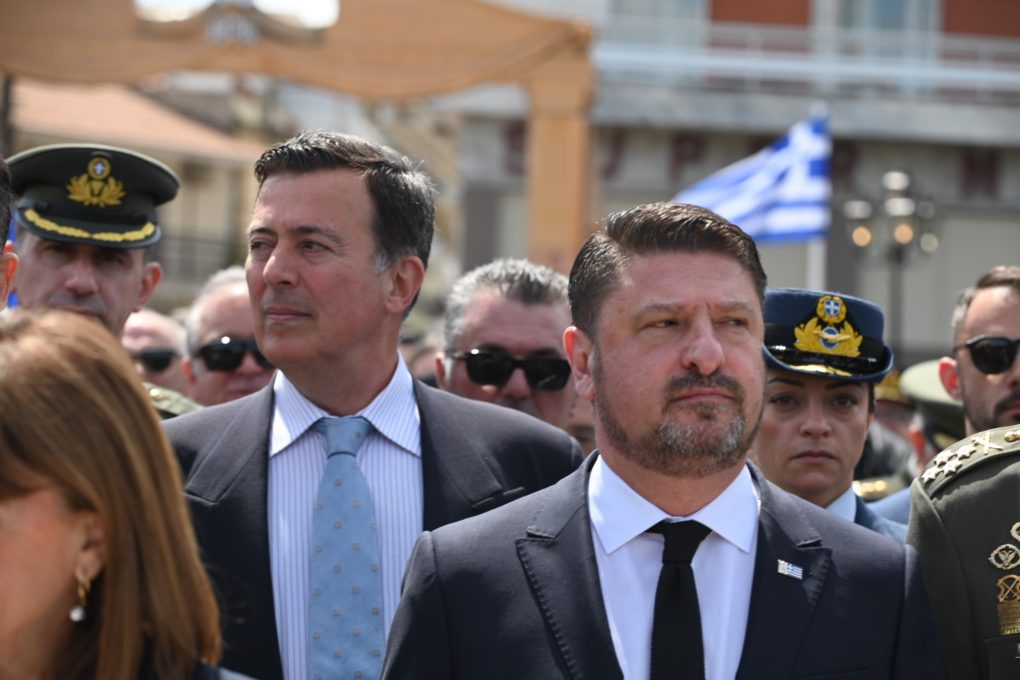
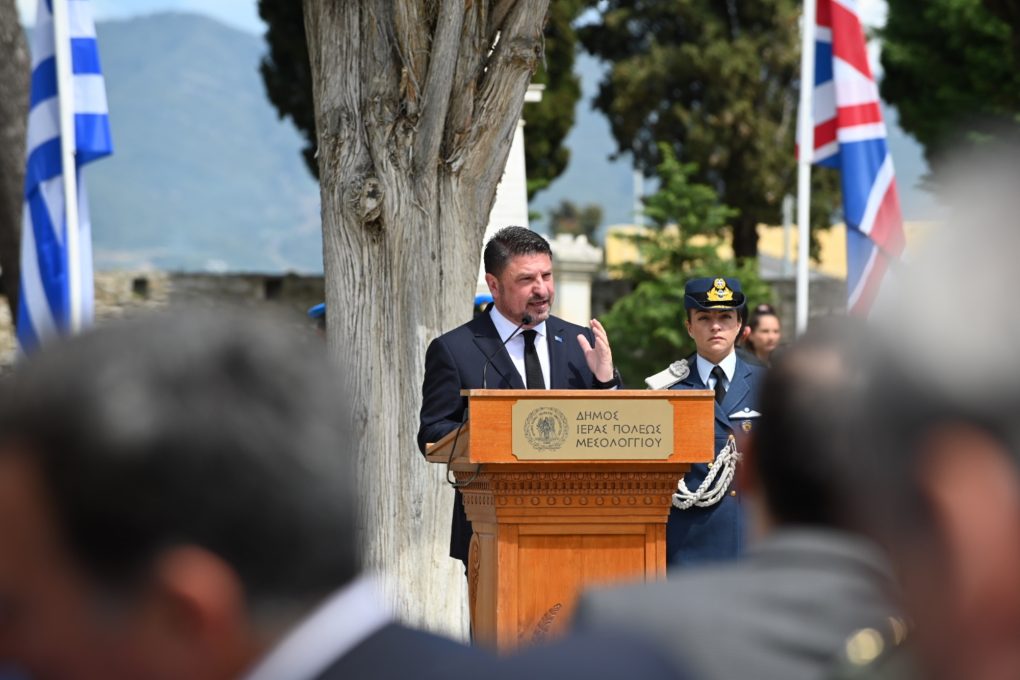
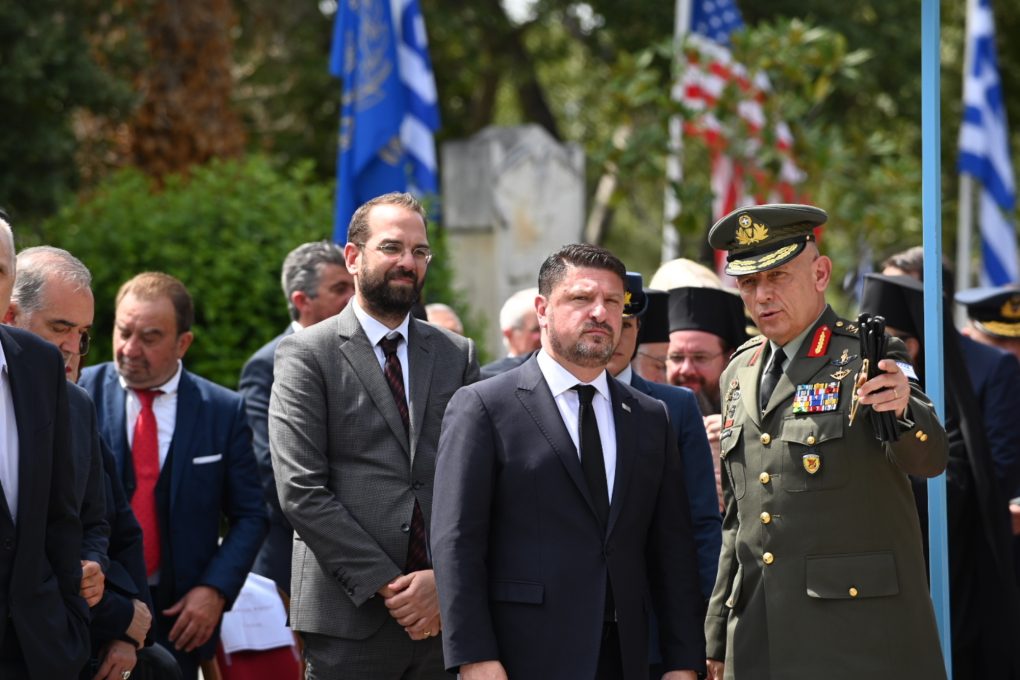
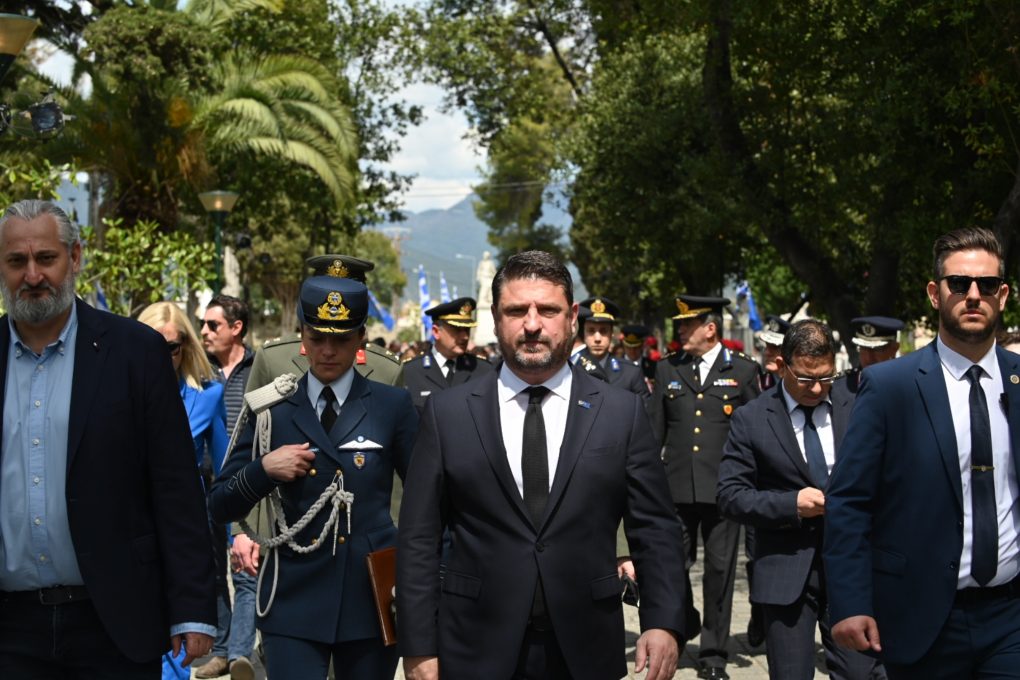
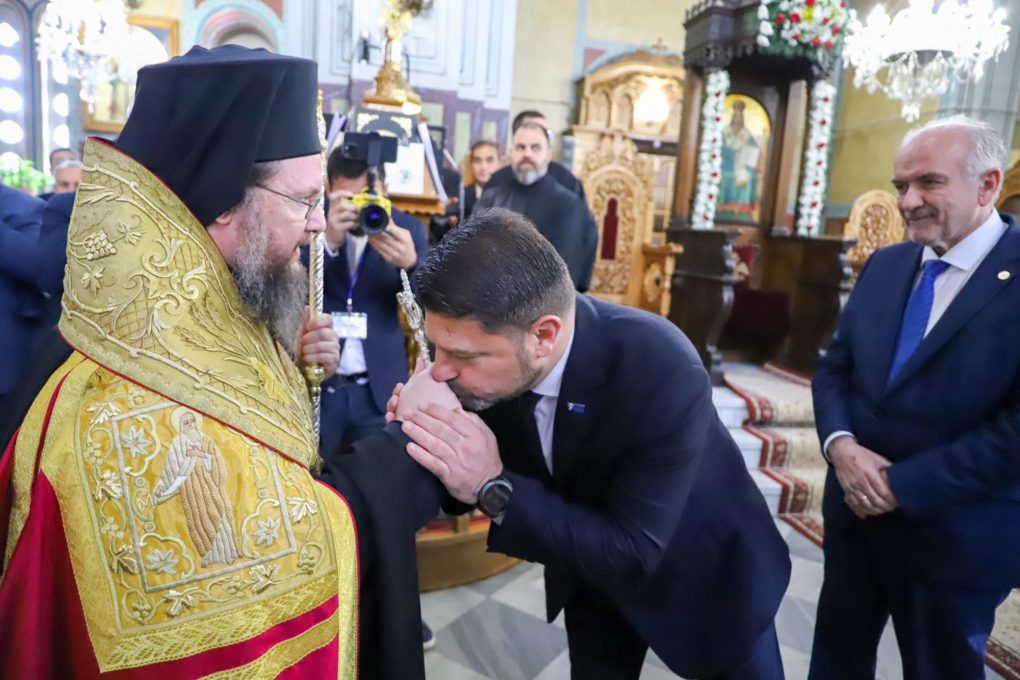
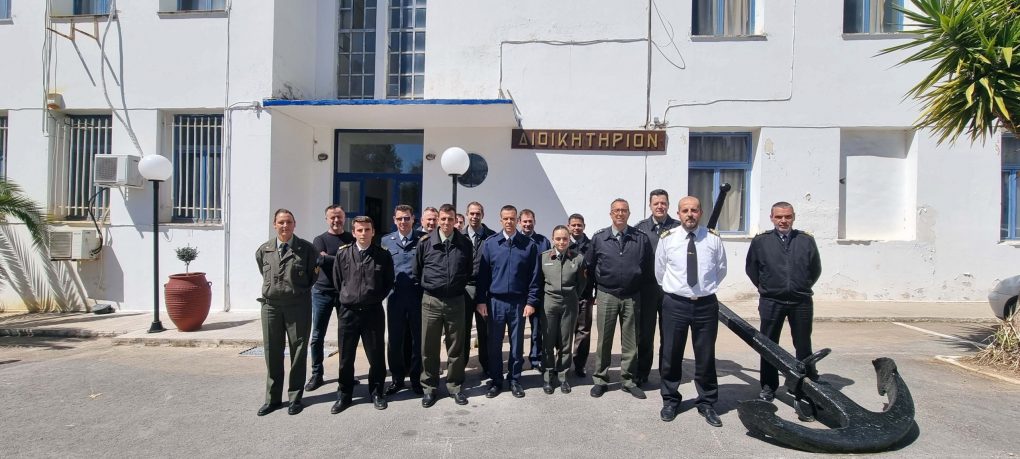
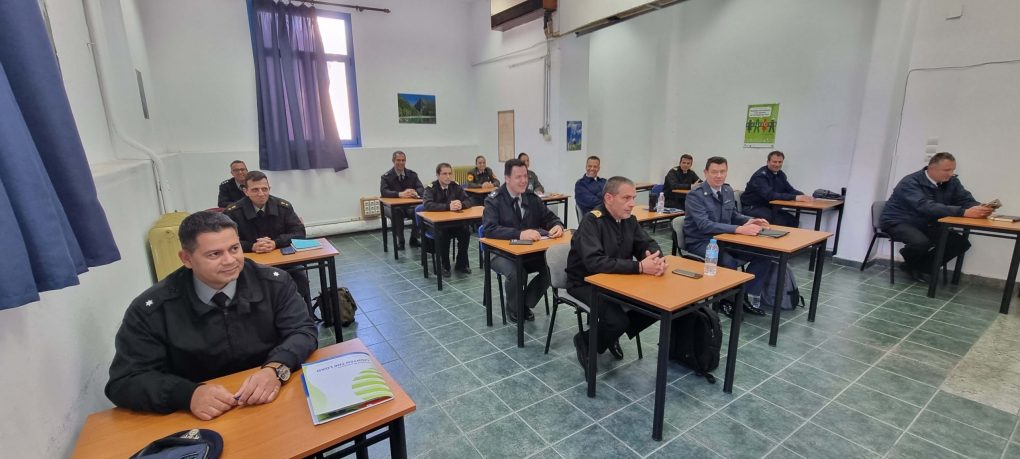
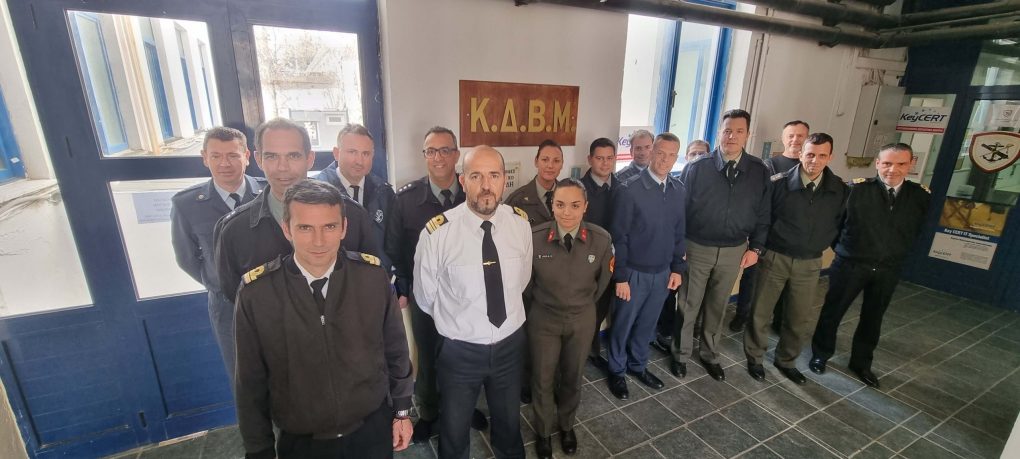
On Palm Sunday, 9 April 2023, the Deputy Minister of National Defence Mr. Nikolaos Hardalias represented the Head of the Hellenic Government at the festivities of the 197th anniversary of the “Exodus” of the Heroic Guard of the Free Besieged, held at the Municipality of the Holy City of Missolonghi, in the presence of H.E. the President of the Hellenic Republic Ms. Katerina Sakellaropoulou and the Chief/HNDGS General Konstantinos Floros.
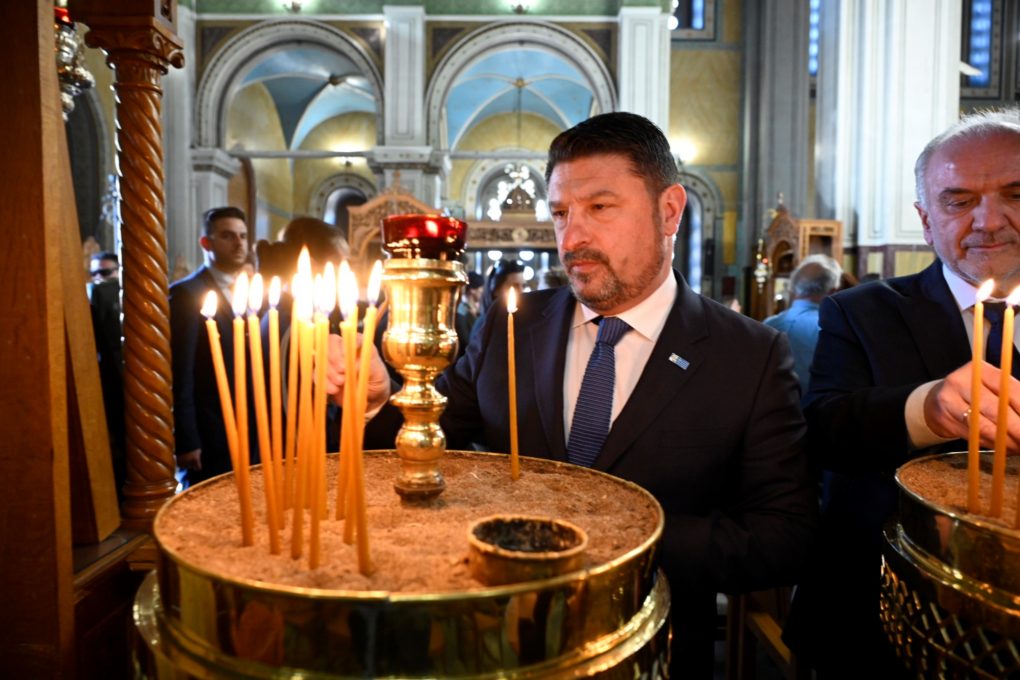
The Deputy Minister of National Defence attended the Doxology at the Metropolitan Church of Aghios Spyridon, officiated by the Reverend Metropolitan of Dimitrias and Almyros Ignatios and co-officiated by the Reverend Metropolitan of Aitolia and Acarnania Damaskinos and the Bishop of Tegea Theoklitos.
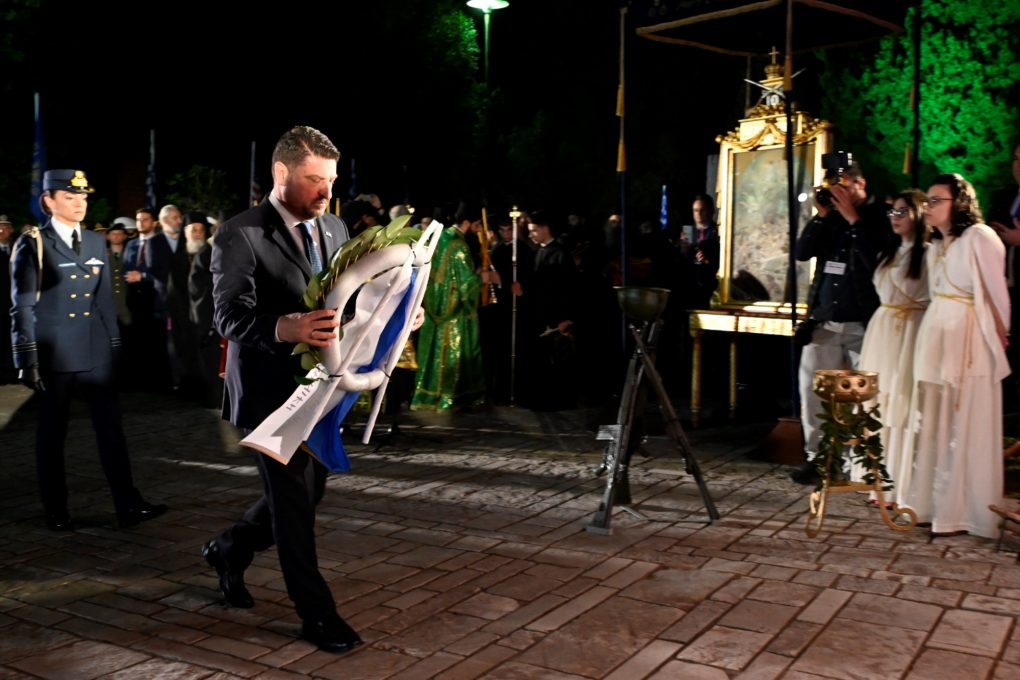
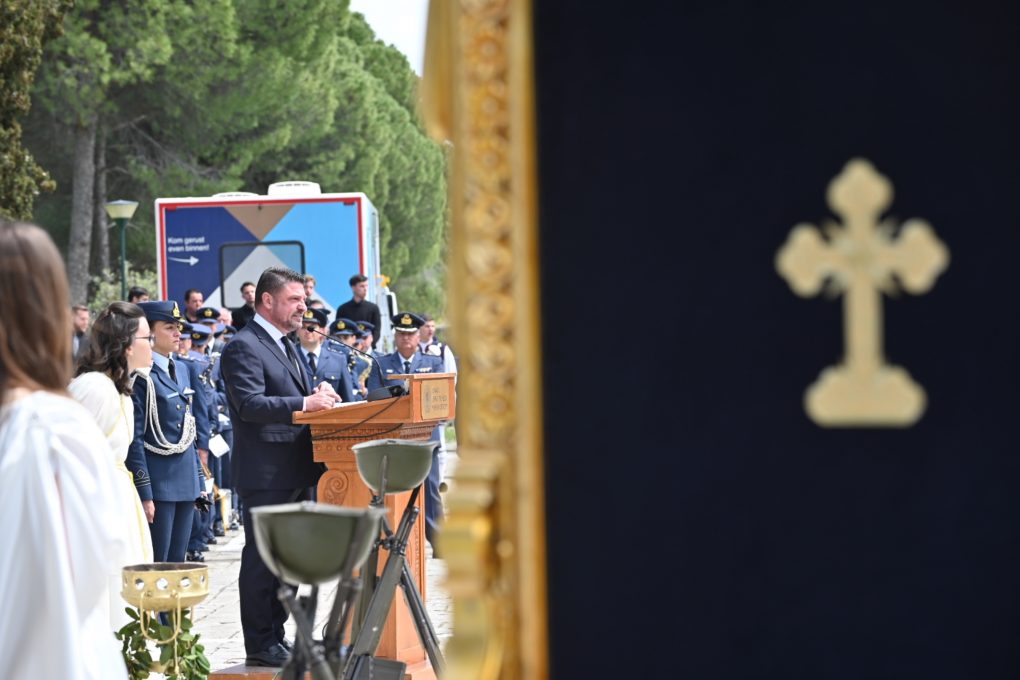
Next, in the Garden of the Heroes, he attended the memorial service in honour of the Immortal Dead, the wreath laying by H.E. the President of the Hellenic Republic at the Tomb of the Heroes and the grant of awards to the male and female winners of the 75th “SACRIFICE RUN”. In the context of the events, Mr. Hardalias made the following festive address:
“With deep emotion and devoutness I am here today, representing the Government, to pay respects to the heroic combatants of the siege and the Exodus of Missolonghi. Finding the appropriate words to express the amount and intensity of my feelings whenever I think about these facts, was for me a big challenge. So, I hope you can forgive me if my words are not worthy of the glory of the Free Besieged. The full capture of such epic from this podium would be, I think, an impossible project for anyone, except may be our national poet himself. The great Dionyssios Solomos wrote “he who dies today, dies a thousand times”, just a few years after the siege, to describe the magnitude of the sacrifice of the Missolonghi heroes. Could anyone put it more appropriately?
Ladies and gentlemen, there are moments in the life of nations that define their own existence. They embody, in short time periods, the soul of a country. They imprint in History records the spirit of a population itself. We Greeks have a lot of such moments, and among them, the Missolonghi epic prevails. Not only because it was a key battle -or to put it right, a series of key battles- in the context of the 1821 Revolution, but also because the untamed spirit of the besieged, along with the contempt they showed for their own life, conveyed with the most descriptive way the essence and stakes of the Greek struggle.
It was a struggle to achieve an ideal that the Greeks, since antiquity, evaluated as the highest of all: freedom. According to Herodotus, “the yearning for freedom motivates us to confront them with all our power” was the Athenians’ answer to the reminder of the Persian superior weaponry, before the decisive battle at Plataies.
It was this devotion to the ideal of freedom as a supreme, primordial principle, along with the faith to the revival of the Greek Nation on the foundations of the national independence and justice, as well as the flame of “the holy faith of Christ”, that pushed our ancestors in the struggle against the “flagrant ottoman dynasty”, as very characteristically states the introduction of the first Greek Constitution. It was these principles, these firm beliefs, which steeled the soul of the combatants of Missolonghi guard, and pushed them to a desperate, yet wonderful, heroic struggle till the last drop of their blood.
Dear attendants, it is important to remember that the Missolonghi defenders had the choice to save their life. They could have accepted the proposals of the Turkish-Egyptian conquerors, who were impatient to finish with this “bloody fence”, as Ibrahim, both scornfully and naively, characterised the city at first.
But the guard chose to stay, and fight. As the Swiss philhellene Ioannis-Iakovos Majer characteristically states, the Greek combatants were determined to defend every spot of Missolonghi and preferred to be buried under its ruins, and would not even consider surrendering. They remained steady in their choice, even when after a whole year of heroic resistance, they completely lacked food and they had to eat the horses, mules, donkeys, dogs, cats, mice and finally the tamarisks of the lagoon. They did not break, even when the people of the city were but skeletal live-dead, with pale faces due to hunger and thirst; even when every attempt of breaking the ringer and helping reinforcements to arrive, had failed. Even when they realised that, as Konstantinos Kavafis would have put it, “the Medes will finally pass”.
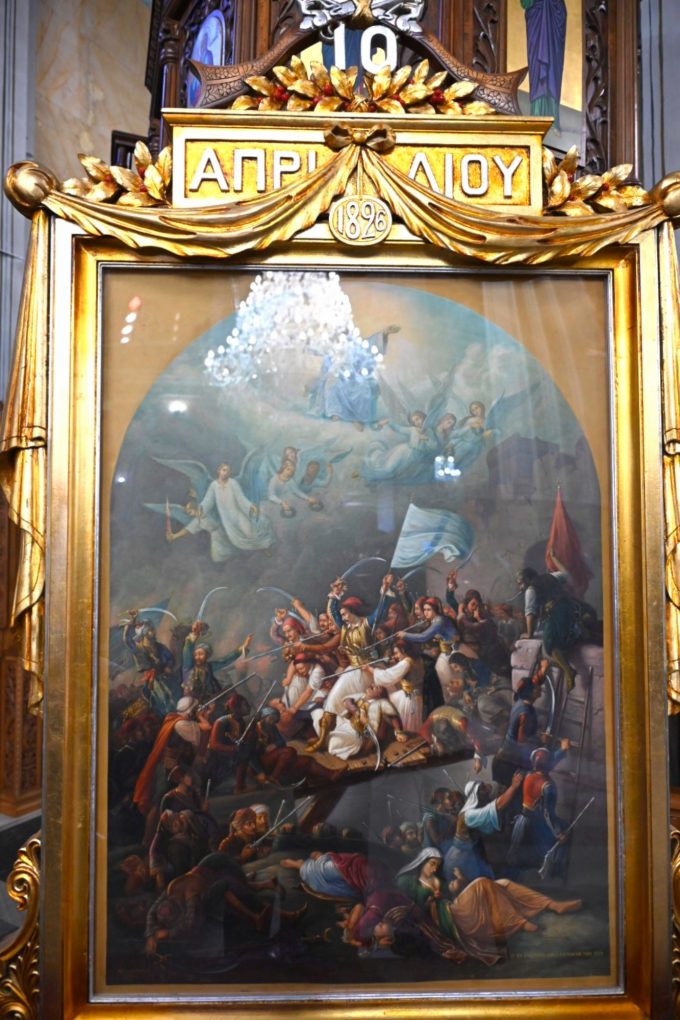
If we listen carefully, we can almost hear them. We can, with the eyes of our soul, see the revolutionary pennants waving at the bastions, despite the 100,000 rounds that had turned the city into ruins. We can see the besieged taking the dramatic decision to exit to freedom, that tragic but also wonderful night of the 10th to 11th April 1826. We can smell the powder of the muskets and the canons, at the fortifications and at the plain. We can shudder from the sky-high yells of Dimitrios Makris, Notis Botsaris, Kitsos Tzavelas, Athanasios Razikotsikas and their young men who were shaking the lowland, as the besieged performed the Exodus with their yataghans lifted against the shameless invaders, the barbarian enemies, who stood between them and immortality. We can see the eminent Christos Kapsalis putting his torch in the powder, preferring, as all his fellow citizens, to die than surrender.
Finally, we can feel the absolute silence reigning on the lowland; this holy silence, that covered with its burden the dignified shrines of the Greek combatants like a shroud, protecting their memory from the abomination and the ugliness of the defeated -because in fact they have been defeated-conquerors of the suffering city. Of course they have tried in vain. God has put its signature for Greece’s freedom and he was not going to take it back.
As the great Lord Byron has fully realised, even if one man cannot offer anything else, he can offer his own life. So, next to “come and get them” of the 300 men of Thermopylae, the “battle of battles, the mother of all battles” of the Salamis warriors and the “we all willingly die and we do not spare our life” of Konstantinos Palaiologos, the answer of the citizens of Missolonghi was carved with fiery words, with regard to the ottoman proposals of surrender: “The keys of Missolonghi are hanging at the muzzles of the canons!” You see, the klephts were not familiar with compromises and surrenders.
This self-sacrifice of the martyrs of Missolonghi was that mostly contributed in the final success of the struggle. Greeks and Europeans admired deeply the guard and the heroic population of the city, for their superhuman spiritual endurance. The flames of Missolonghi warmed the hearts of the civilised peoples, rousing them in a real crusade to free the Greeks from the ottoman yoke. Just four years later, in 1830, the country was finally liberated. So, Napoleon was right when he said that there are finally only two powers in the world, the spirit and the sword, but as time passes by, the sword is always defeated by the spirit.
197 years after the exodus of the immortal besieged and their passage to eternity, the country has nothing to do with the poor and ruined -but always unbowed- Greece at the time of the Revolution. It is now a strong and prosperous country, territorially complete, with its borders invulnerable, and its position in the hard core of the “illuminated nations” of the West nonnegotiable. The Missolonghi combatants, now holy shadows of angels around God’s throne, would be proud of the most powerful Armed Forces in the History of the modern Greek state, which we build every day through hard work.
Dear attendants, it is our debt, our patriotic accountability bet, to keep the Missolonghi siege’s historic memory alive, as well as the whole 1821 epic. Not to preserve the passions of the past or to cover our current pathogeneses with the memories of the glorious past, but to remember where we come from, as well as the sacrifices that were required for us to be here today. And of course to remind to anyone who schemes against even a little spot of Greece, the everlasting truth of Kostis Palamas: “The greatness of a nation is not measured in acres, it is measured by the heart’s fire and blood”. The greatness of the Greeks will never fade away! Never! Because Missolonghi lives!
Happy anniversary Missolonghi!”
The event was also attended by the MP of Aitolia and Acarnania Mr. Marios Salmas, representing the President of the Hellenic Parliament, the MP of Aitolia and Acarnania Mr. Georgios Varemenos, representing the Chief of the Opposition, the MPs of Aitolia and Acarnania Mr. Konstantinos Karagounis, Mr. Spyridonas-Panagiotis Livanos and Mr. Dimitrios Konstantopoulos, representatives of the Parties, the Regional Governor of West Greece Mr. Nektarios Farmakis, the Mayor of the Sacred City of Missolonghi Mr. Konstantinos Lyros, ambassadors and members of diplomatic missions of foreign states in Greece, representatives of the Chiefs of the Army, Navy, Air Force and Police General Staffs, representatives of the Regional and Local Self-administration and others.
Yesterday, Lazarus Saturday 8 April, the Deputy Minister of National Defence, representing the Hellenic Government, attended the Great Evening Prayer at the Metropolitan Church of Aghios Spyridon, officiated by the Metropolitan of Aitolia and Acarnania Damaskinos. Next, in the Garden of the Heroes, he attended the memorial service and laid a wreath at the Tomb of the Heroes.
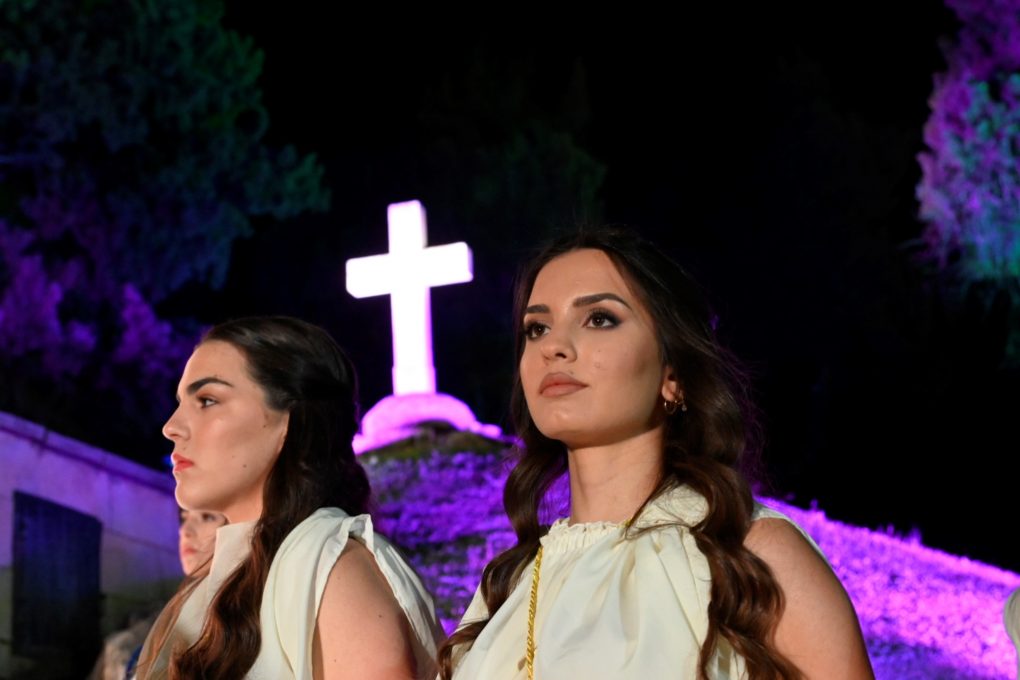
Finally, he attended the representation of the blow up of the Elder Christos Kapsalis and the torturous death of hundreds of women and children who had remained in Missolonghi a few hours after the Exodus, with the participation of the choir of the Municipality of the Holy City of Missolonghi and of students of the city schools.
The event was also attended by the MP of Aitolia and Acarnania Mr. Marios Salmas, representing the President of the Hellenic Parliament, the MPs of Aitolia and Acarnania Mr. Konstantinos Karagounis, Mr. Spyridonas-Panagiotis Livanos, Mr. Georgios Varemenos, Mr. Athanasios Moraitis and Mr. Dimitrios Konstantopoulos, the Commander of the Centres’ Command Major General Ioannis Dimitrellos, representing the Chief of the HNDGS, the Regional Governor of West Greece Mr Nektarios Farmakis, the Mayor of the Holy City of Missolonghi Mr Konstantinos Lyros, the Reverend Metropolitan of Dimitrias and Almyros Ignatios, ambassadors and members of diplomatic missions of foreign states in Greece, representatives of the Chiefs of the Army, Navy, Air Force and Police General Staffs, representatives of the Regional and Local Self-administration and others.