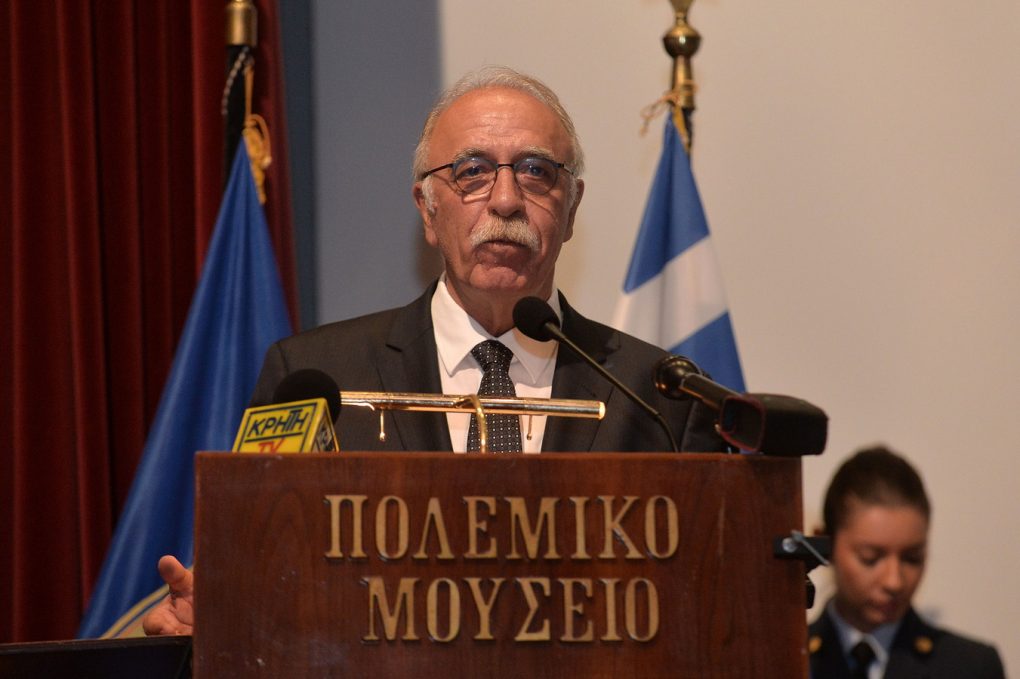
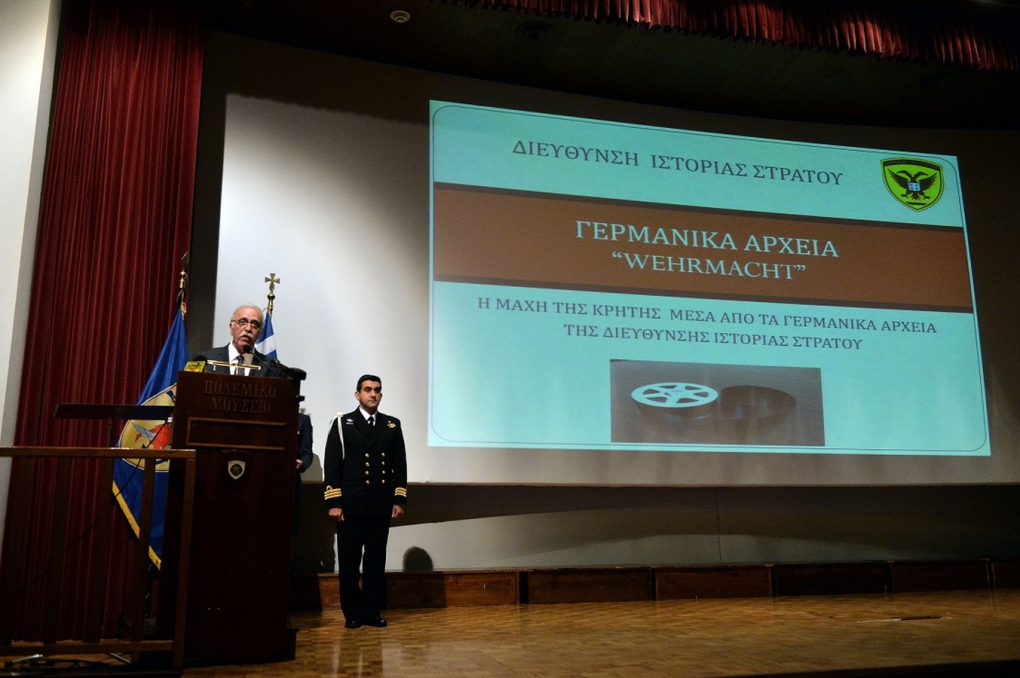
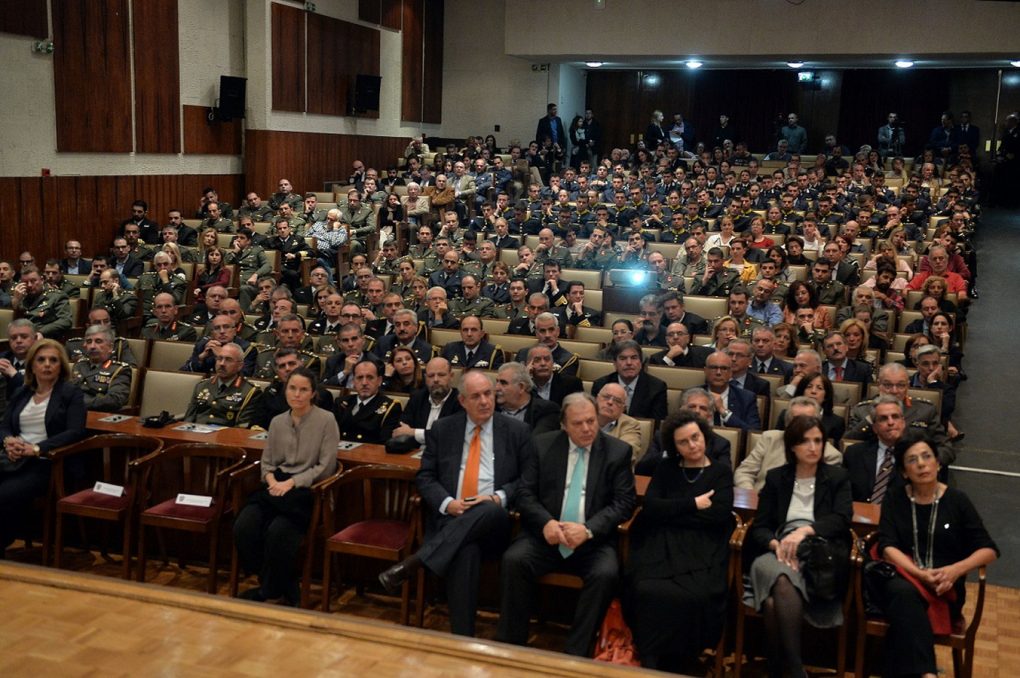
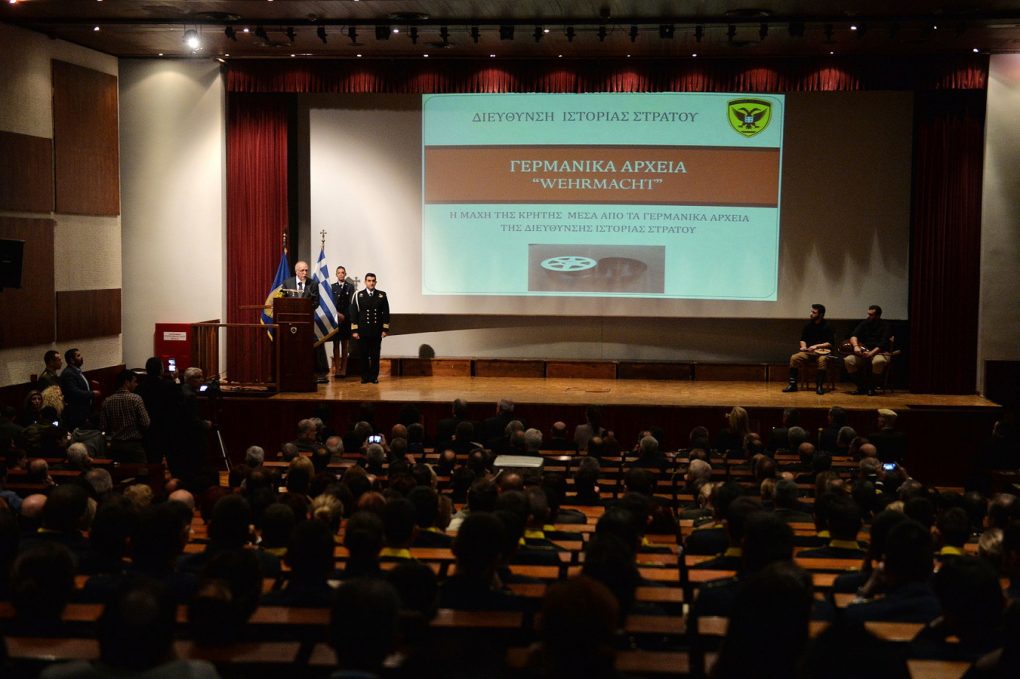
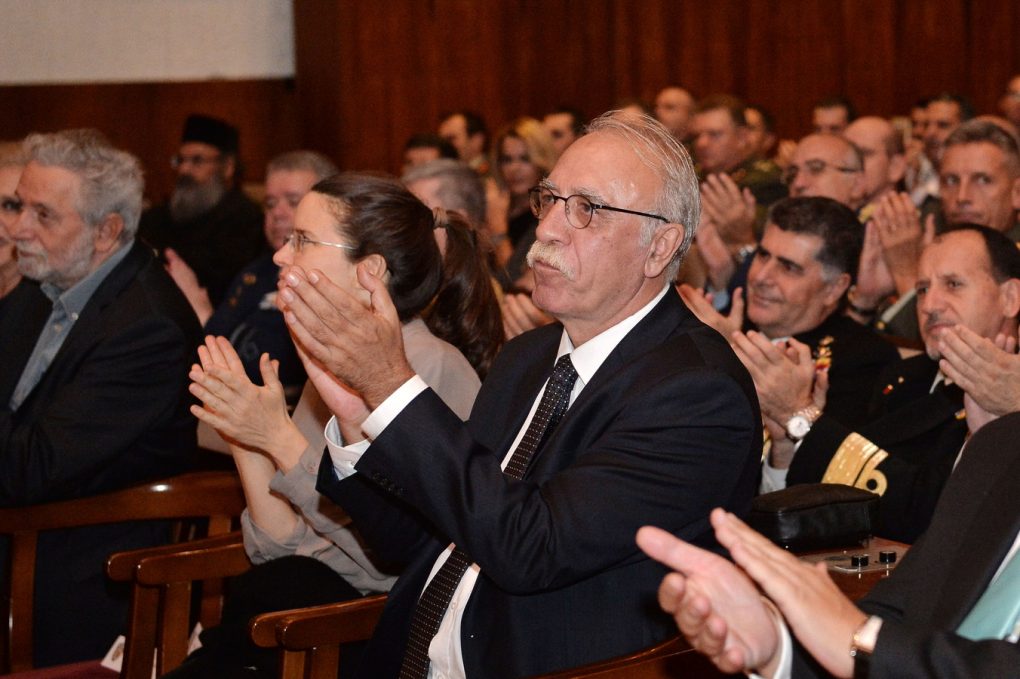
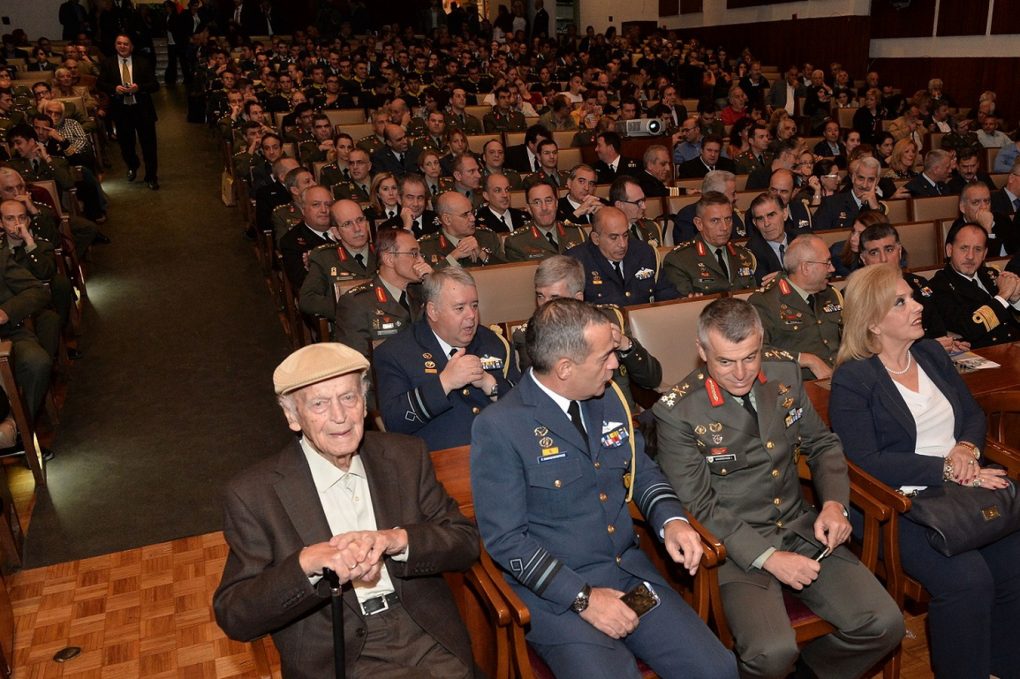
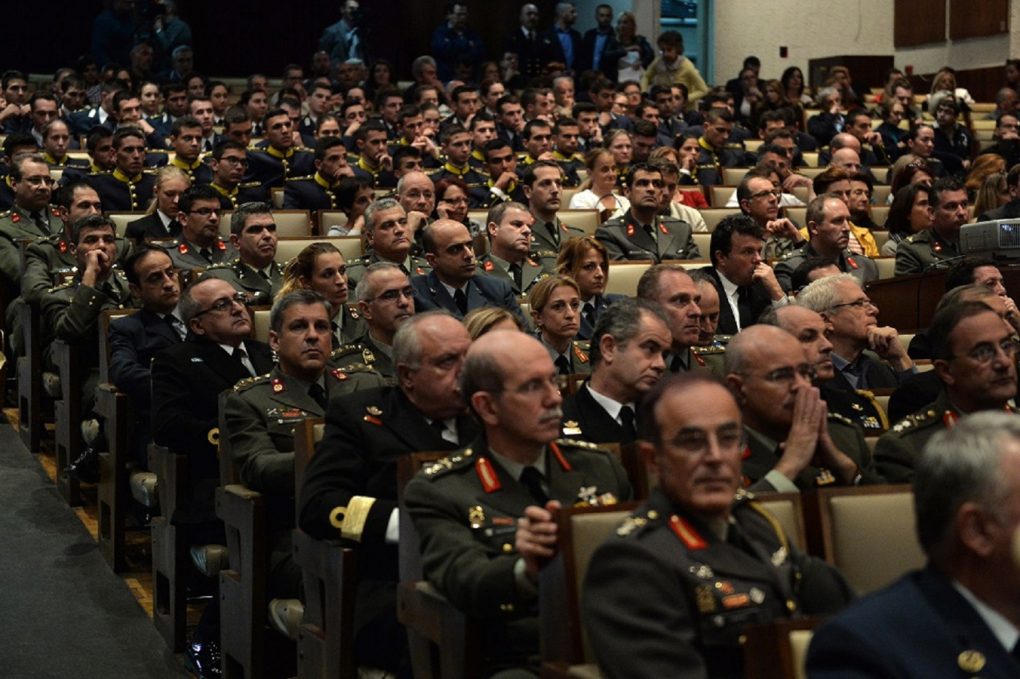
Today, Tuesday 25 October 2016, the Ministry of National Defence organized an event, held at the amphitheater of the Athens War Museum on “World War II: The Resistance of the Cretan people through German archives processed by the Army History Directorate”, dedicated to the Resistance of the Cretan people against the Nazi occupation.
The event is held within the wider context of activities entitled “FREE ATHENS” on the occasion of October 12th 1944, a day marked by the liberation of Athens from Nazi occupation troops, inextricably linked with the national celebration of October 28.
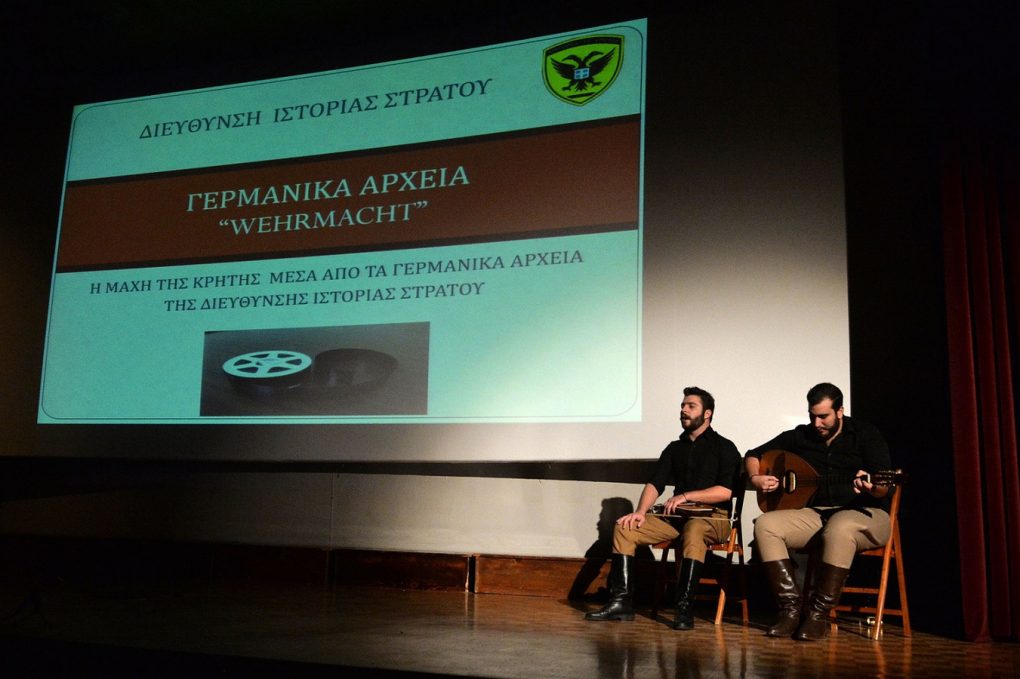
In the context of this event the Army History Directorate presented data and documents from the Wehrmacht archives, processed by the AHD.
More specifically, the event included:
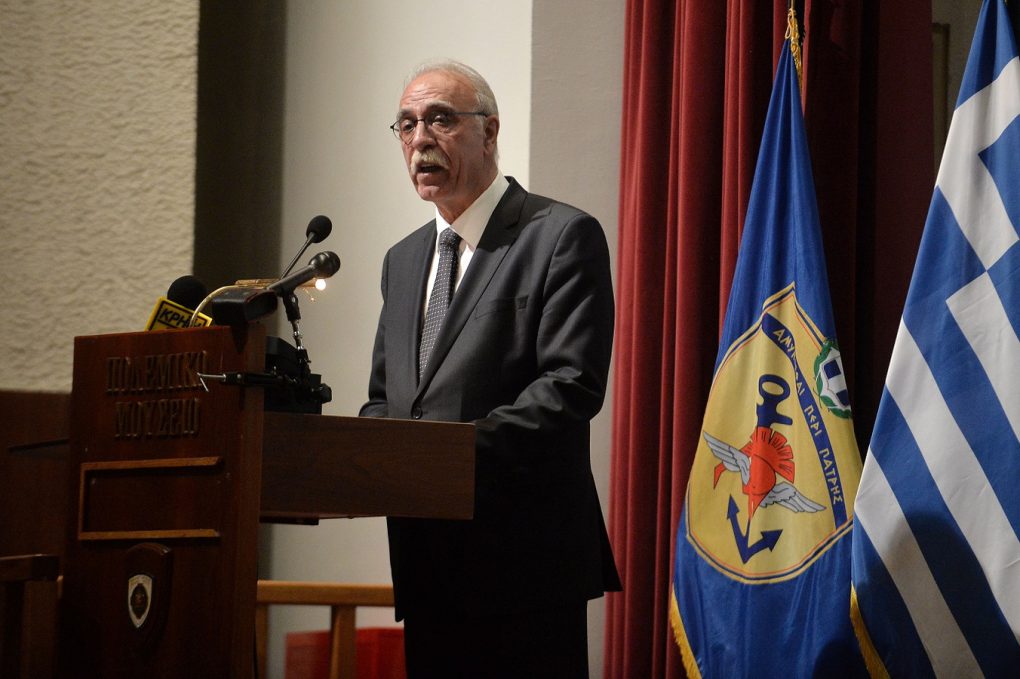
– Address by the Alternate Minister of Defence Dimitrios Vitsas
– Speech addressed by the Director of Army History Dte Brig General Nikolaos Delatolas entitled : “The Battle of Crete through the AHD German archives”
– Speech by Evangelos Despotidis entitled “The Resistance of the Cretan people against the German occupation through the AHD German archives”
– Speech by Giannis Skalidakis History Professor , on behalf of the scientific committee of “FREE ATHENS” entitled “ The Cretan society during the war and the German occupation”.
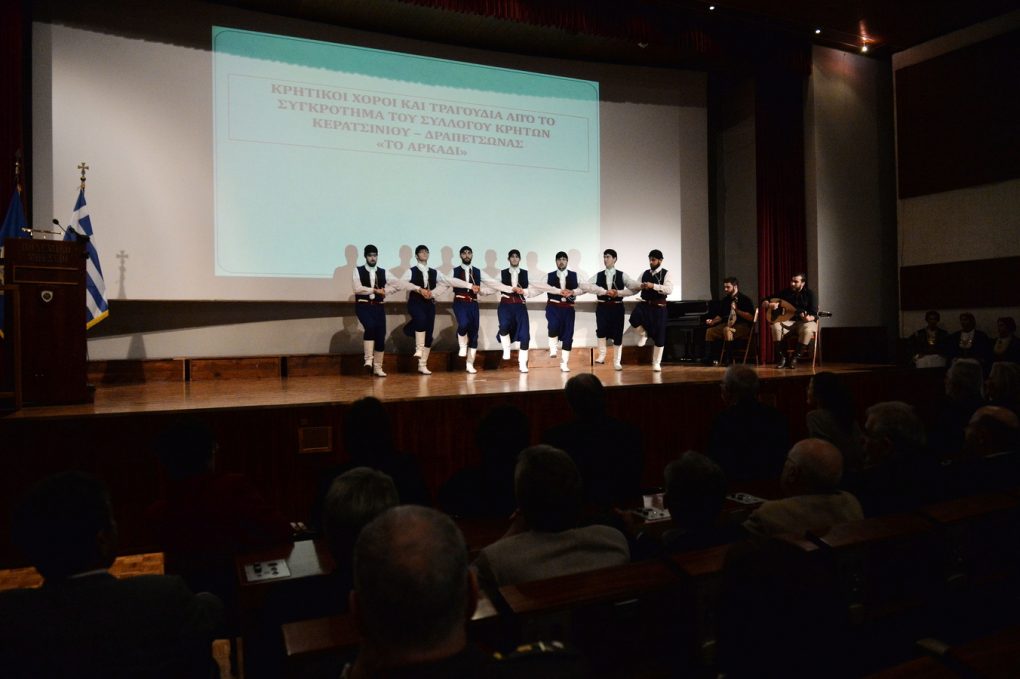
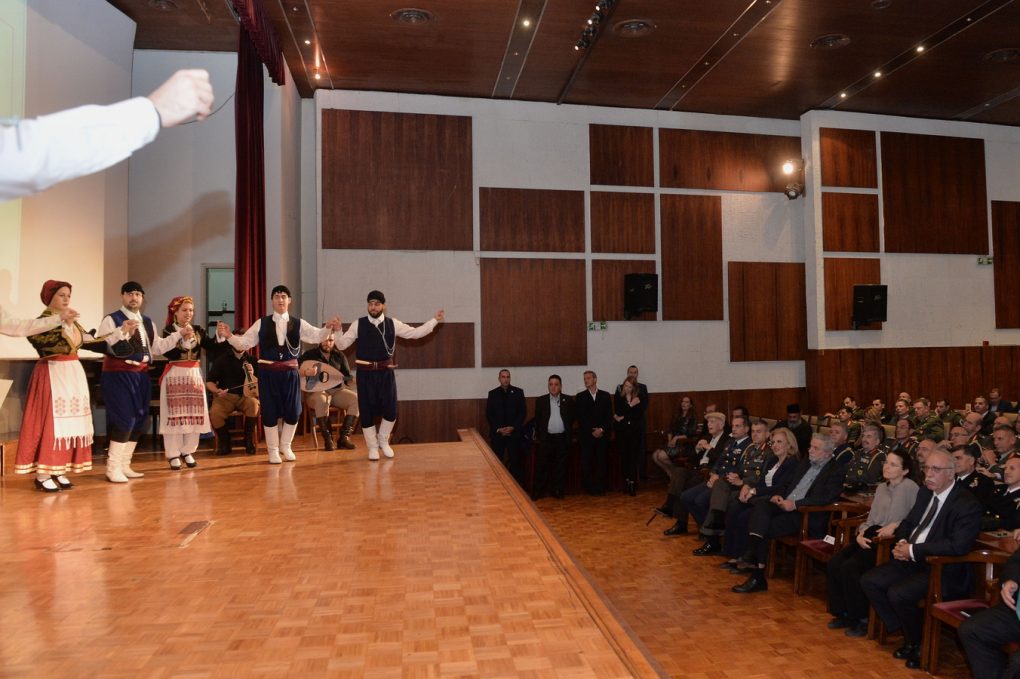
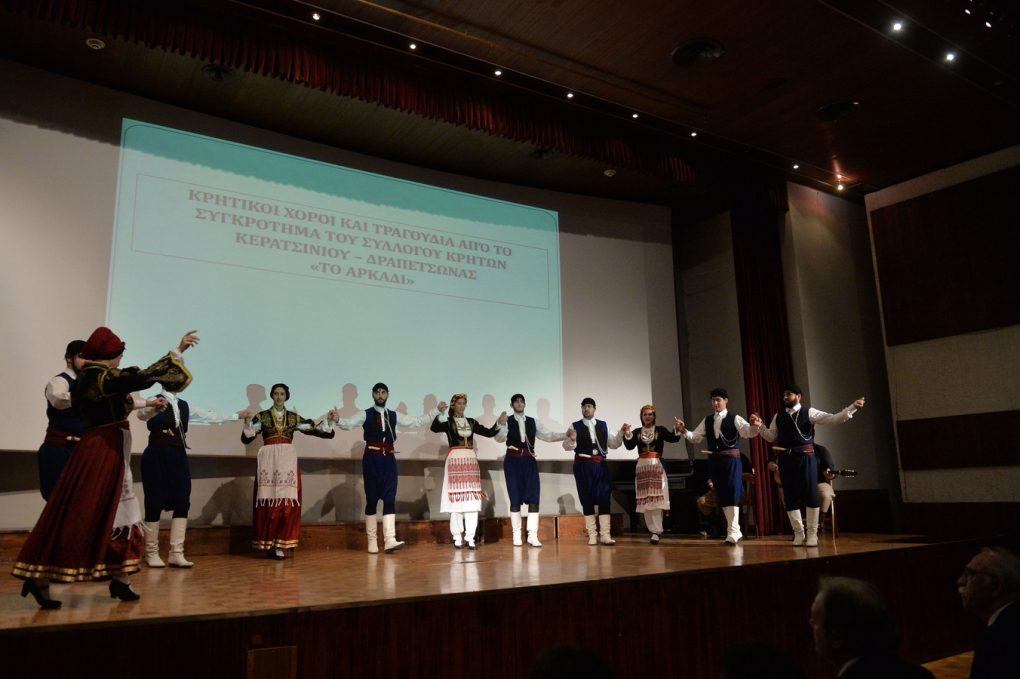
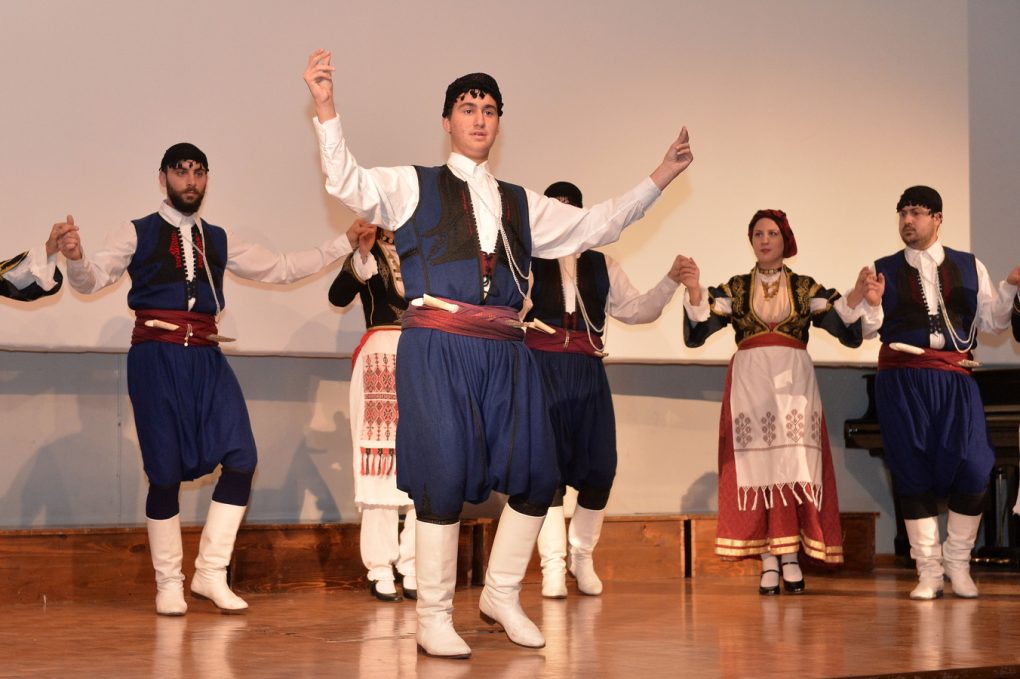
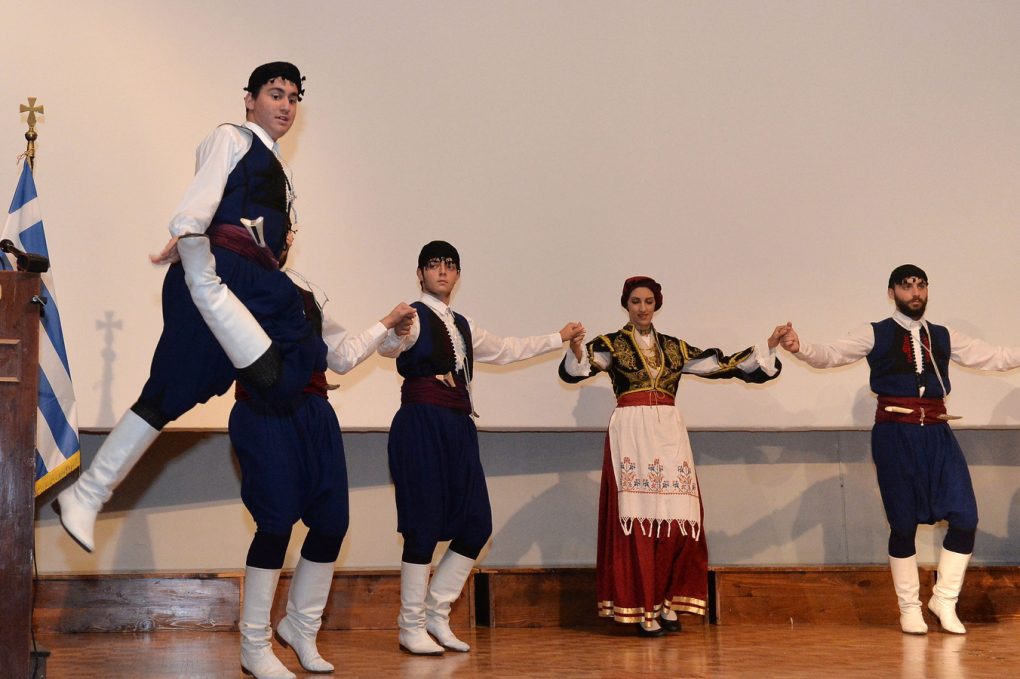
The event was embellished with Cretan dances and songs performed by the Cretans’ Club of Karatsini and Drapetsona “ARCADI”.
ADDRESS BY ALTERNATE MINISTER OF DEFENCE DIMITRIOS VITSAS
Ladies and gentlemen,
We would like to welcome you at the Athens War Museum, to honour together the Resistance of the Cretan people during WWII and their contribution to the ant-fascist victory of the peoples of Europe, as it is recorded in the German archives, processed and evaluated by the HAGS Army History Dte.
Right out of this hall , in front of the War Museum stands a monument dedicated to the” undrafted” fighter of the battle of Crete. It is a constant reminder of the role and the contribution of the “undrafted fighter”, the “unknown soldier” the simple run-of-the-mill person who surpasses the conventional limits, when so required.
All these people are honoured today and we pledge that their example will be a guiding light.
Such initiatives for the promotion of historic memory taken by the Ministry of National Defence, do not constitute a mere protocol activity, but are inextricably linked with the sense and the content itself of National Defence.
The issue of historic memory is not something which belongs in the past. It is the boosting power and valuable contribution in our effort to light our course in the present and towards the future.
Dear friends,
In three days we will be celebrating the national holiday of October 28, 1940. This reminds us of the role played by the Greek Army, with the participation and undivided support of the people, who rose to the occasion by proudly uttering NO.
This NO was completed with the saga of our National Resistance written in the plains, the mountains, the towns and the villages of Greece.
Since today we commemorate the Resistance of the Cretan people during WWII and the National Resistance of the Greek people during the Nazi occupation, allow me to remind you that :
Greece was the country where the axis powers were firstly defeated, in the mountains of Epirus. It was the country which strenuously resisted against the German invasion troops , hence, the Rupel forts were never taken.
Crete was the place where the steel German armies enjoyed their first “Pyrrhic Victory”. After the Battle of Crete Nazi Germany never attempted another air-born operation of such an extent.
In heroic Crete, we witnessed the first group execution of civilians in Europe during WWII in the tormented Kontomari, on June 2, 1941.
The people of Crete paid the price of freedom holding a golden thread linking each time the past with the struggles of the Cretan people for freedom and the heroic struggle for the shaking off of the ottoman yoke and the linking with mother Greece .
In Arkadi and the dozens of holocausts in Crete during the Turkish occupation came to be added the German occupation ones : in Kontomari, Kandanos, Viannos, Anogeia, Kakopetro, Alikiano, Perivolia, Loutra, Pagkalohori, Paliohora, Adele, Sternes, Sachtouria, Kamares, Malathyro, Magarikari, Vorizia.
There are dozens of Cretan villages and towns which paid a heavy price for freedom. There are 3.471 recorded executions of men, women and children.
The Greek people with the magnificent National Resistance, dealt a great blow of strategic character to the conquerors.
In Athens we had the first organized demonstrations in occupied Europe, which resulted in the fact that no Greek fought in the Eastern Front.
Also, in Athens the first great scale strikes in occupied Europe were orgnanised.
Ladies and Gentlemen,
The data retrieved from the Army History Dte shed a light on the unknown aspects of the distress experienced by the Cretan people.
They substantiate the fact that what happened during the Nazi occupation in Crete and generally in Greece, was not a mere war crime but a crime against humanity.
All this is part of a greater picture which should not be erased from our memories, from the collective memory of the Greek people, there is still some unfinished business.
I am referring to the issue of the German war reparations. Our government for the first time raised this issue in a clear manner through the Prime-Minister himself, Mr Alexis Tsipras.
The German debt to Greece is a self-contained issue which was raised on the very day the occupying forces departed from our country, it still exists and cannot be set off.
Issues such as these cannot be written off. They are pending issues, and their settlement should concern the German government itself as a sign of contribution to a democratic and peaceful Europe.
Once again we reiterate the fact that the vindication of the Greek claims, aims to treat an open wound and pave the way for the future.
For the Europe of the future which knows its history and learns from the lessons of the past. Because if Europe disregards the black pages of its history, it is doomed to sooner or later relive them.
For the Europe of peace and solidarity.
Dear friends,
Today our government, holding the thread which connects us with our history and learning from the lessons of the past, in the given context of fluidity and geopolitical instability, has one basic priority along with the recovery of economy , that is to remain a pillar of security and stability.
All that is being said concerning the treaties which delimit the current borders in our region, especially the Lausanne Treaty, do not leave us indifferent.
We are closely watching and we are clear that any “irredentist” statements uttered by anyone, anywhere, either for internal purposes of because of external fears or aspirations, had better avoid making reference to Greece.
I would like to stress, in the clearest manner possible, that yes, Greece has no claims , bur at the same time it knows what its sovereign rights are, and these cannot be presented on the negotiating table.
We provide answers to any disputes via the policy we exercise at international level, as well as via the deterring power of our Armed Forces.
Closing this address I would like to thank and congratulate the Army History Department.
We will continue to support the work of AHD at research level, securing other archives from the United States of America and respective ones from Russia.
Allow me to thank all those involved in the organization of this event and those who contributed to the events of “FREE ATHENS” for the 72nd anniversary since the liberation of Athens.
Thank you