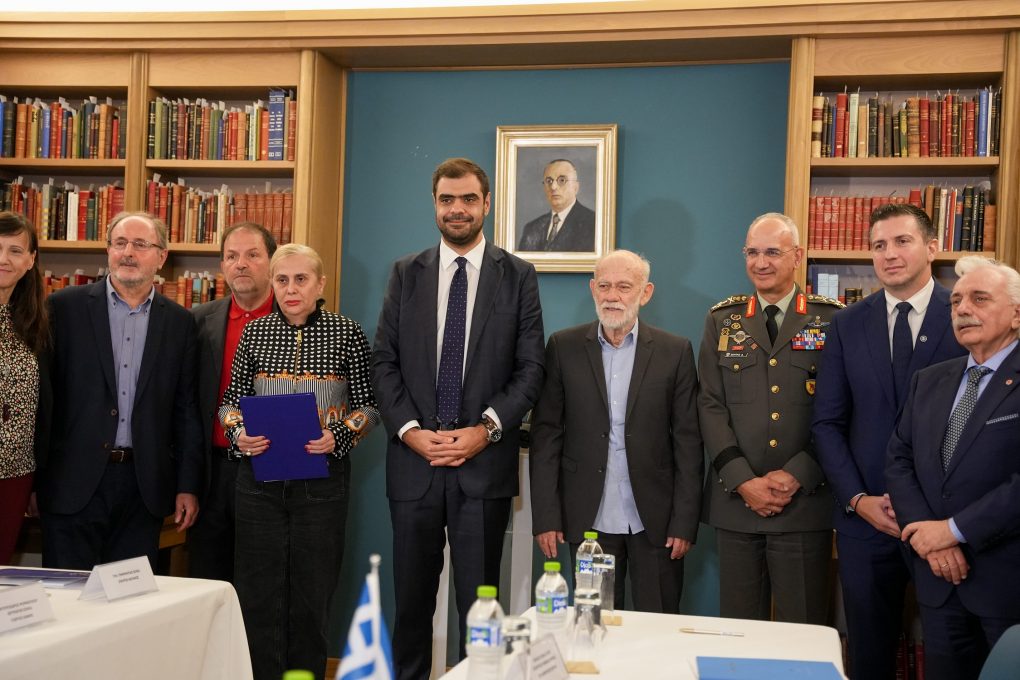
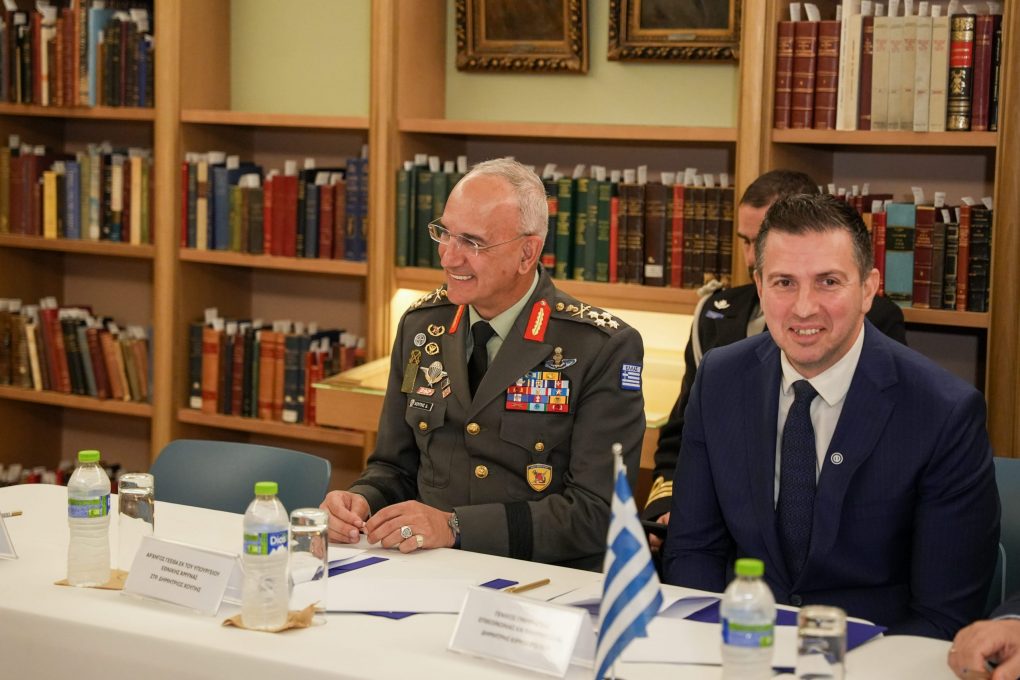
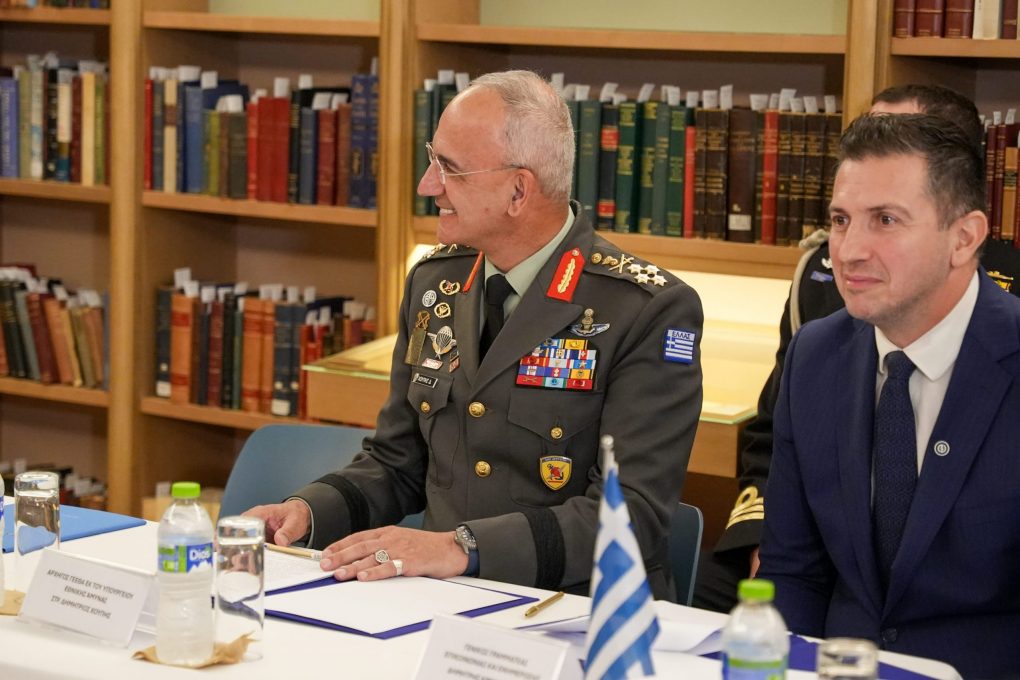
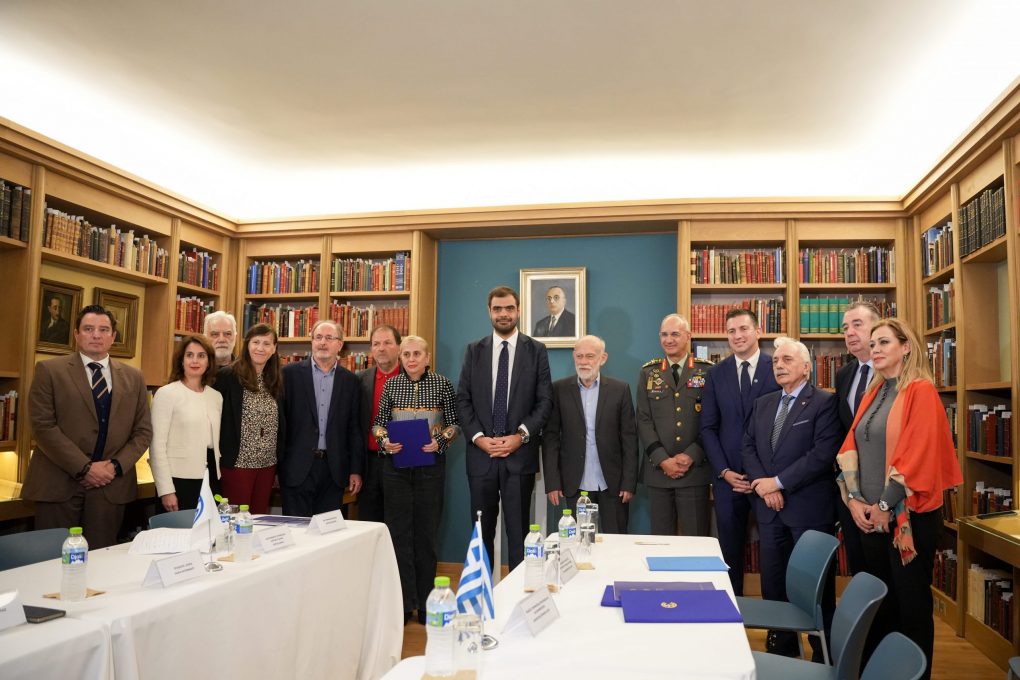
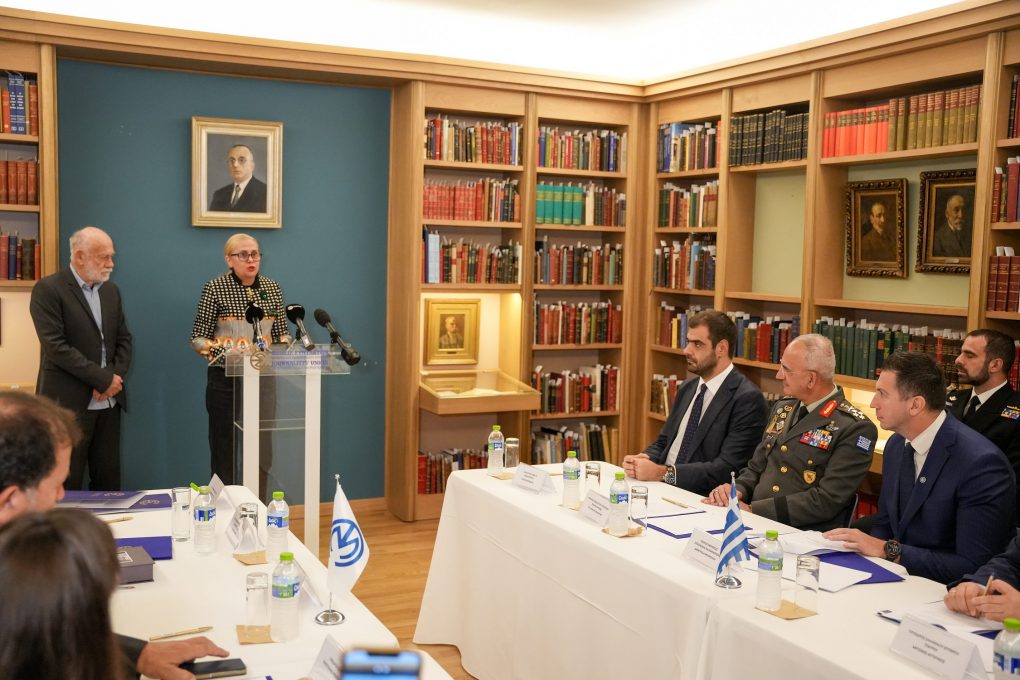
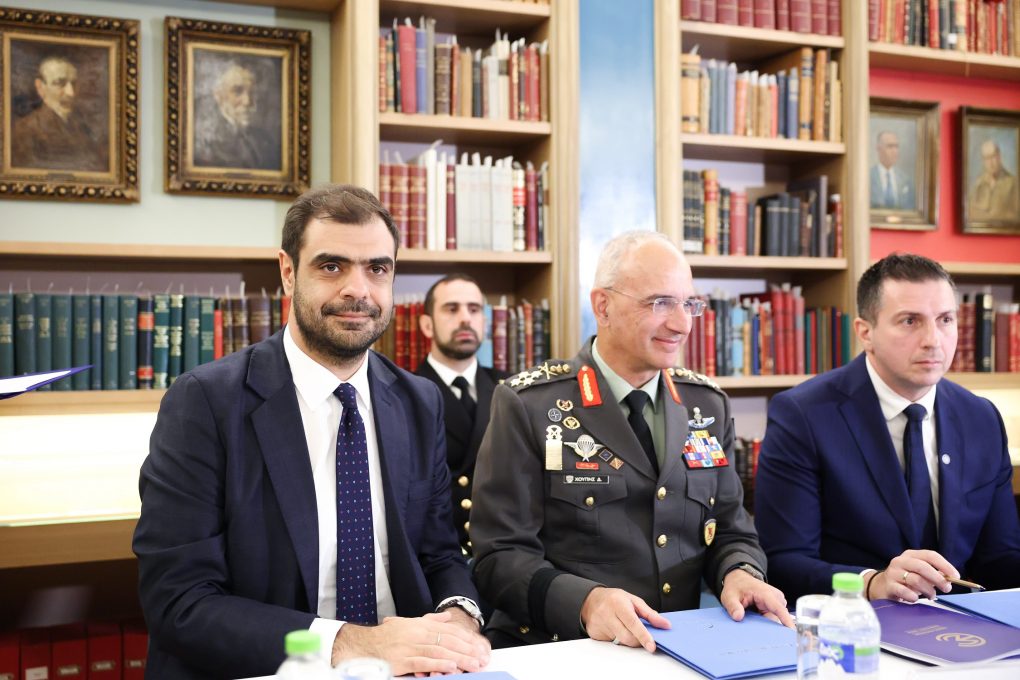
A new important initiative concerning the safety of journalists who cover armed conflicts and high danger missions is undertaken with the signing of a Memorandum of Cooperation, in the framework of the cooperation between the Ministry of National Defence, the Hellenic National Defence General Staff (HNDGS), the General Secretariat of Communication and Media, the Journalists’ Union of Athens Daily Newspapers (ESIEA), the Union of Magazine and Electronic Press Journalists (ESPIT), the Journalists’ Union of Athens Daily Newspapers Educational Foundation, and the Hellenic Red Cross.
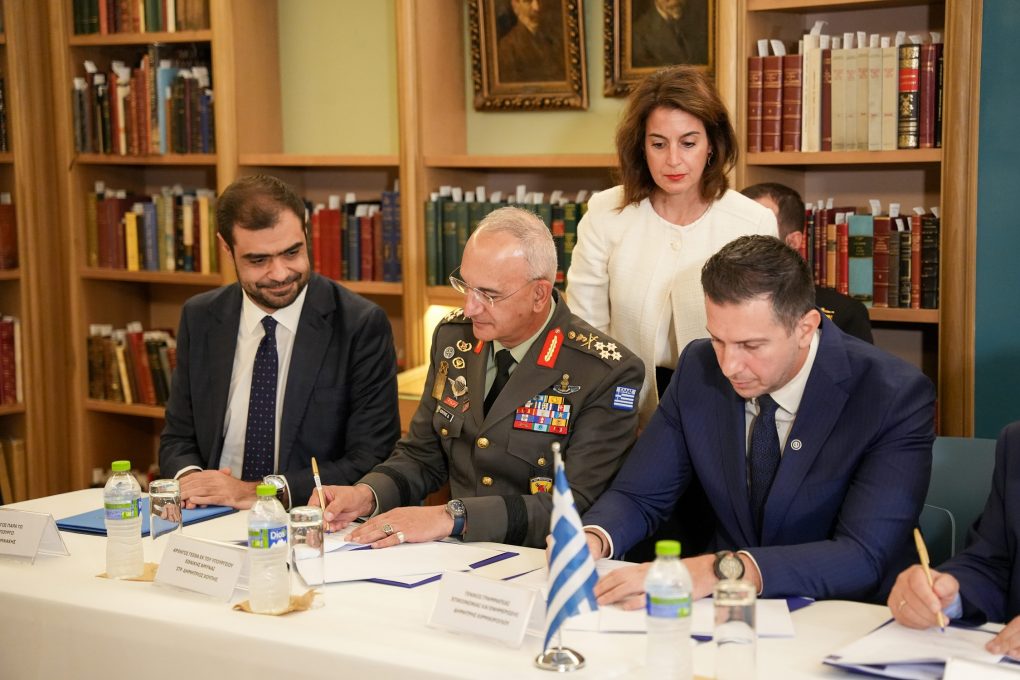
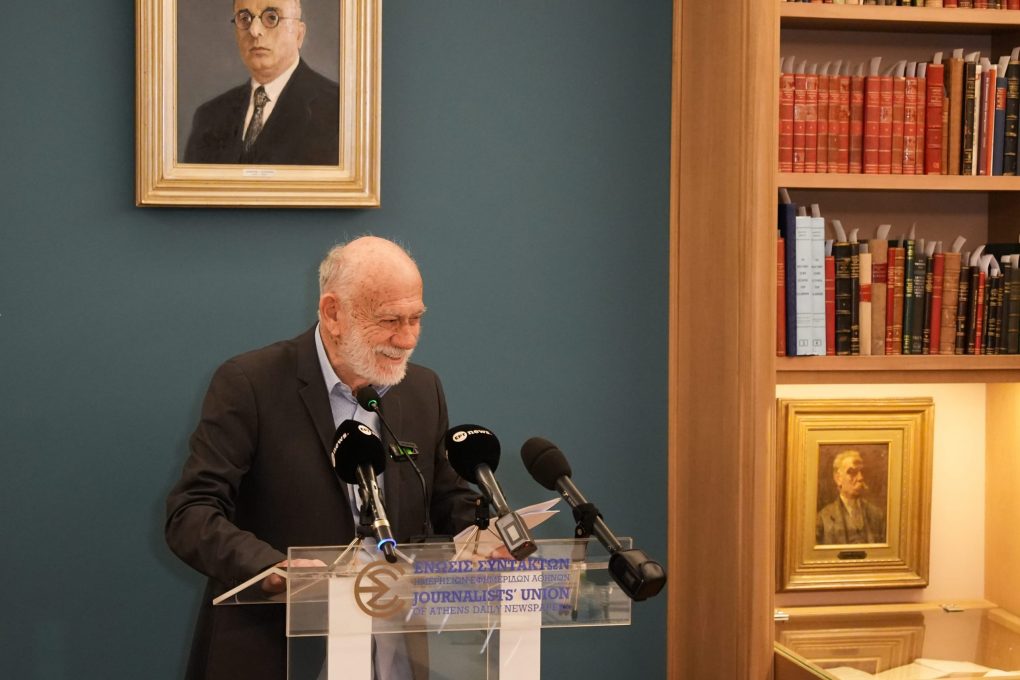
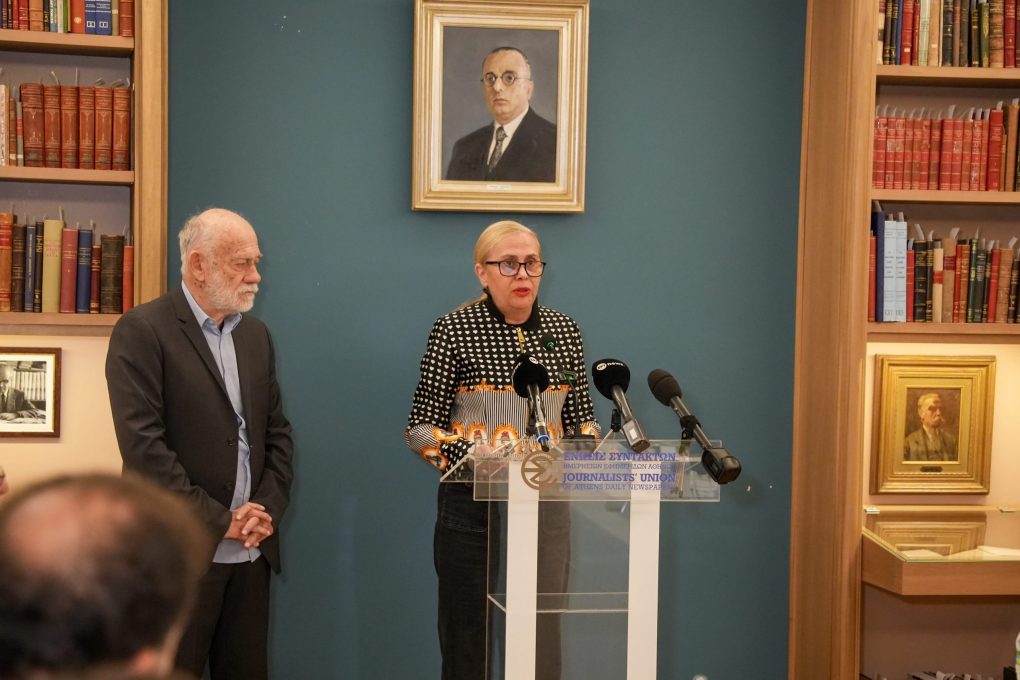
The memorandum of cooperation was signed by the Chief HNDGS, General Dimitrios Choupis, the Secretary General of Communication and Media Dimitris Kirmikiroglou, the president of ESIEA Maria Antoniadou, the Secretary General of ESIEA Stavros Kapakos, the President of the Hellenic Red Cross Antonios Avgerinos, the President of the Union of Magazine and Electronic Press Journalists, Themistoklis Beredimas, the Secretary General of ESPIT Athanasios Alatas, the Deputy President of the Educational Foundation of ESIEA, Giorgos Lianis, and the Secretary General of the Educational Foundation of ESIEA Ekaterini Lymberopoulou, in the presence of the Deputy Minister to the Prime Minister and Spokesperson of the Hellenic Government Pavlos Marinakis.
This initiative also takes advantage of the scientific know-how of the International Centre for the Safety of Journalists, through its partnership with the Aristotle University of Thessaloniki (AUTh).
The partnership’s objective is the creation of an organised programme of specialised training, practical preparation, evaluation and certification of journalists who are called upon to report from war-zones, with the central aim that no journalist undertakes such a mission without the requisite prior training.
The programme includes training in risk identification and assessment, safe transportation and crisis management, provision of first aid and injury management, as well as practical exercises simulating high danger conditions
The first training cycle concerns 25 public service media journalists and includes four days of training at Armed Forces Facilities, with the participation of specialised personnel and instructors.
The initiative is a practical implementation of the Collective Labour Agreement for public service journalists, signed in August and incorporated in the broader design of the government to reinforce journalists’ safety, in the framework of the National Action Plan for the Safety of Journalists.
Of particular importance is the collaboration of the State, the Armed Forces, the journalists’ unions, the Hellenic Red Cross and the scientific community, which combines operational experience, specialised healthcare training, and the knowledge of the real needs of employees in the media. The contribution of the International Centre for the Safety of Journalists of the Aristotle University of Thessaloniki reinforces the capability of utilising international best practices and developing educational standards.
Meanwhile, the broadening of the initiative is planned, with a follow-up, independent cycle of specialised training for journalists and television crews covering natural disasters, such as wildfires, floods, and earthquakes, as well as humanitarian crises. This training focuses on risk identification, safe access and evacuation protocols, and on the cooperation with the competent Civil Protection Services.
With this initiative, the protection of journalists transitions from institutional commitment to systematic practical preparation. The State joins forces with co-responsible bodies, in order to prioritise the protection of human life and safeguard the requirements for the safe practice of journalism.
For the safety of journalists begins prior to the mission.
The Minister of National Defence Nikos Dendias, in a statement on the signing of the memorandum of cooperation, points out: “For the Ministry of National Defence, certified training of journalists active in high risk environments is not simply a term of the Collective Agreement, of the terms of employment of public sector journalists. It is above all a moral responsibility and duty.
As National should be regarded what is true according to the known saying of Dionysios Solomos. The service to truth is a national duty whose fulfilment in war zones is ever more difficult.
From Ukraine to the Middle East, war correspondents transmit all they see and hear, besides the official releases of the participants. Among them, Greek journalists, photojournalists, and camera operators who have worked under extremely difficult conditions. Their contributions remind us that behind every reporting there are people exposing themselves to dangers of every kind, as was demonstrated, among others by the death of Giorgos Koiliaris, who fell in the line of duty in 2008, while covering a humanitarian mission to Afghanistan on behalf of ERT.
The Ministry of National Defence contributes to the proper training of journalists in security matters, by providing the necessary facilities and means, as well as by utilising the knowledge and experience of qualified personnel of the Armed Forces. The objective is to secure them the best possible protection, while they practice their calling, with the utmost respect to their independence.
Today’s signing of the Memorandum of Cooperation by the Chief HNDGS General Dimitrios Choupis, is an important step in this direction.
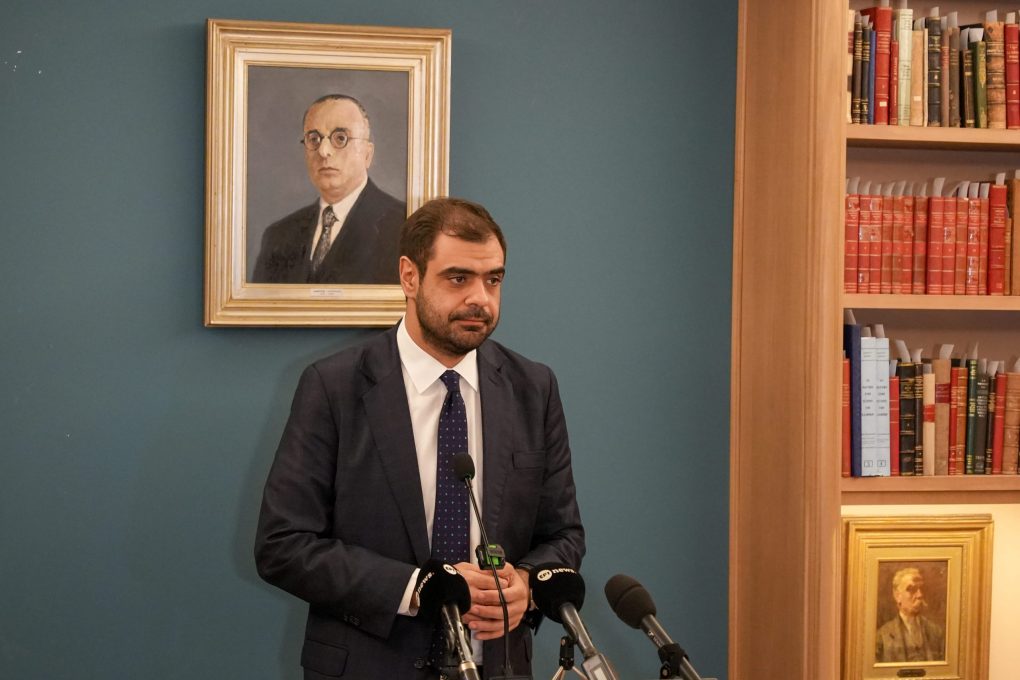
Concerning the initiative for signing the memorandum of cooperation and the entirety of undertakings for the safety of journalists, the Deputy Minister to the Prime Minister Pavlos Marinakis pointed out: “They are the bare minimum of our duty towards journalists and media employees. Today we stand here for all those who, when bidding farewell to their families, when kissing their wife, husband, child, children, families, are not sure of their return. It is not sure that their every mission, every time they practice their calling in a war zone, will be safe. We are living in a new reality. A reality of wars, a very hard reality with very important consequences for civilians as well. So, what is taking place today, is, above all, the least gesture of respect, attention, and an act of responsibility.”
Insofar as journalists are concerned, the Spokesperson of the Hellenic Government stated: “under the guidance of the Prime Minister, we try to fulfil all these reasonable requests. Henceforth, no journalist, starting from the public service Media, will head to the front, to the coverage of wars, without having acquired the minimum and important preparation – briefing for all they will encounter. I repeat, these people exercise their calling under harsh conditions and the State and all we here ought to provide them with the absolute maximum.”
Secretary General for Communication and Media Dimitris Kirmikiroglou stated: “No journalist should risk their life for a reportage without the proper preparation and protection. Greece is undertaking an innovative initiative for international standards, joining in action the State, journalists’ unions, the Armed Forces, and specialised bodies, in order to actively reinforce the safety of journalists in war zones. Through this cooperation and the implementation of the National Action Plan for the Safety of Journalists, we look forward to our country being an international example on how we instruct media employees in prevention and safety.”