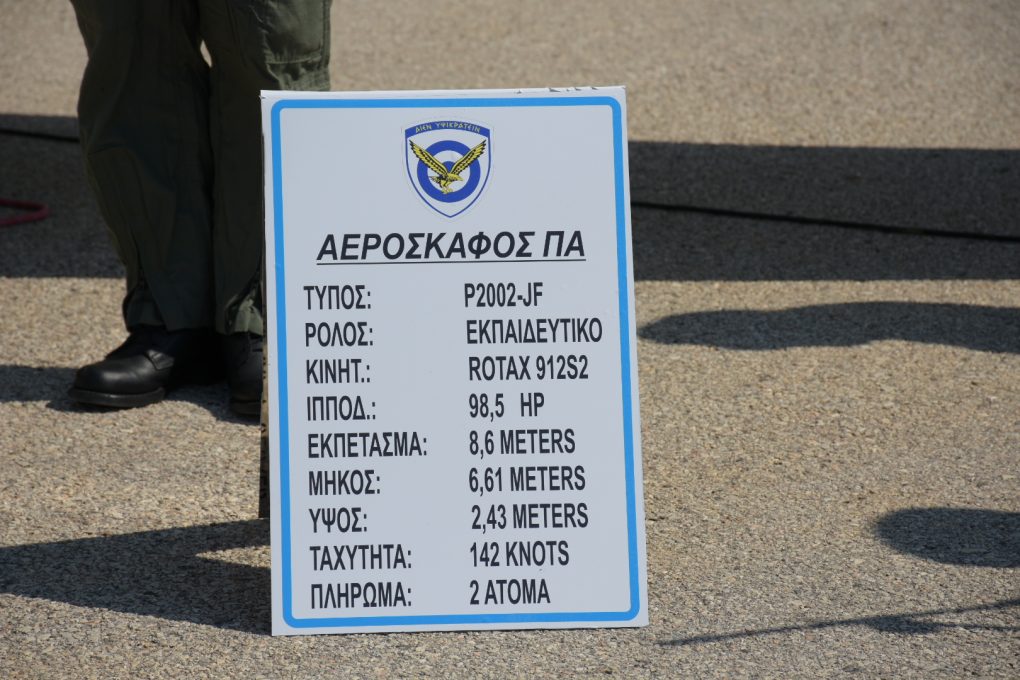
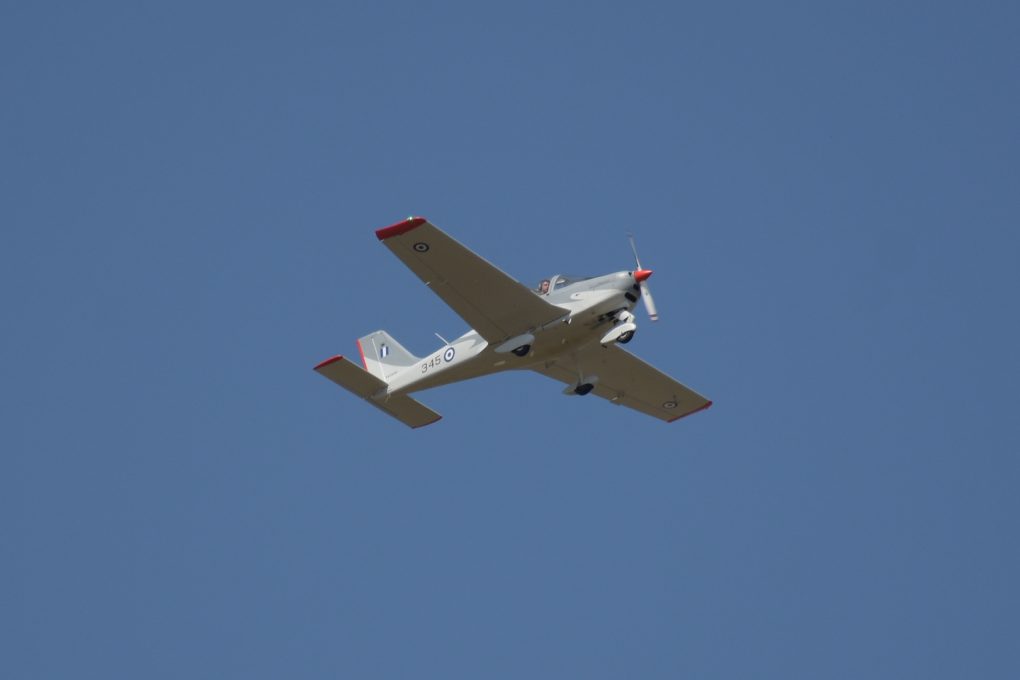
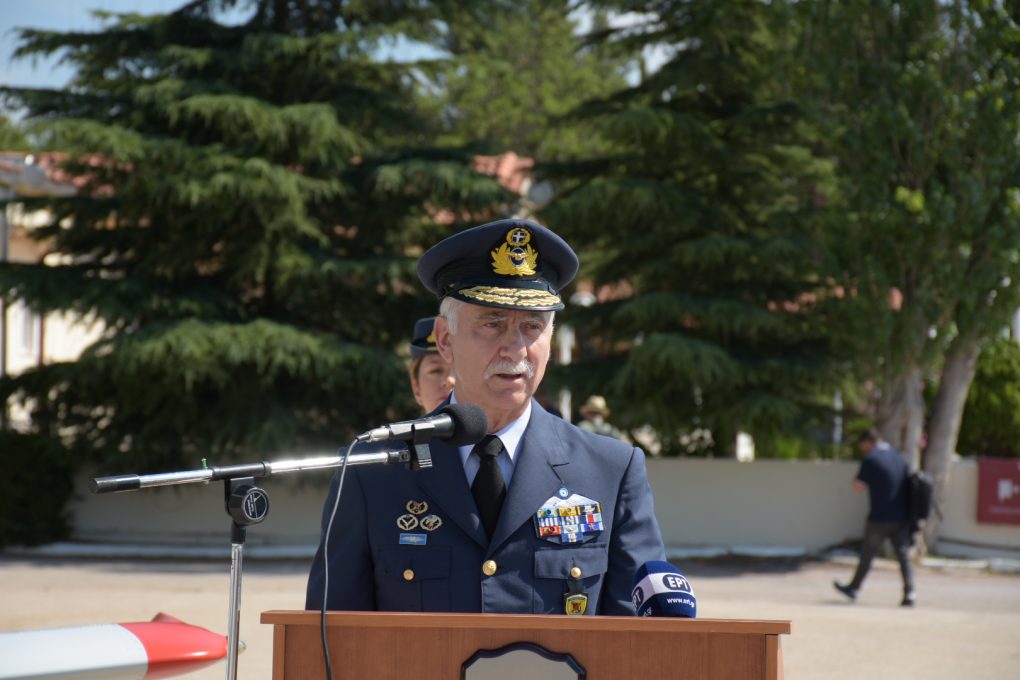
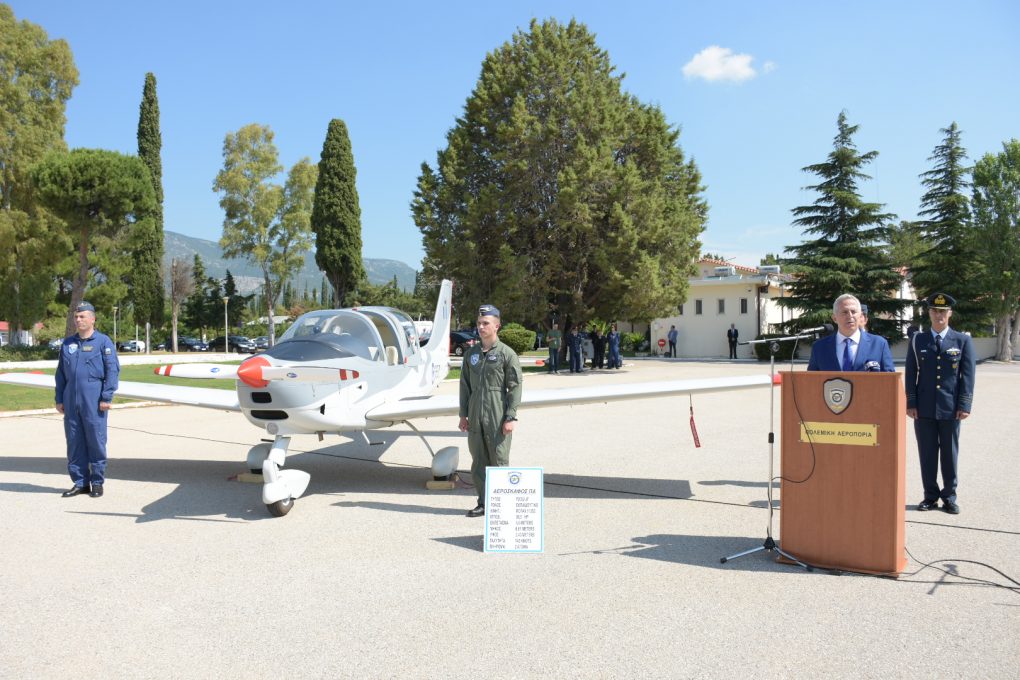
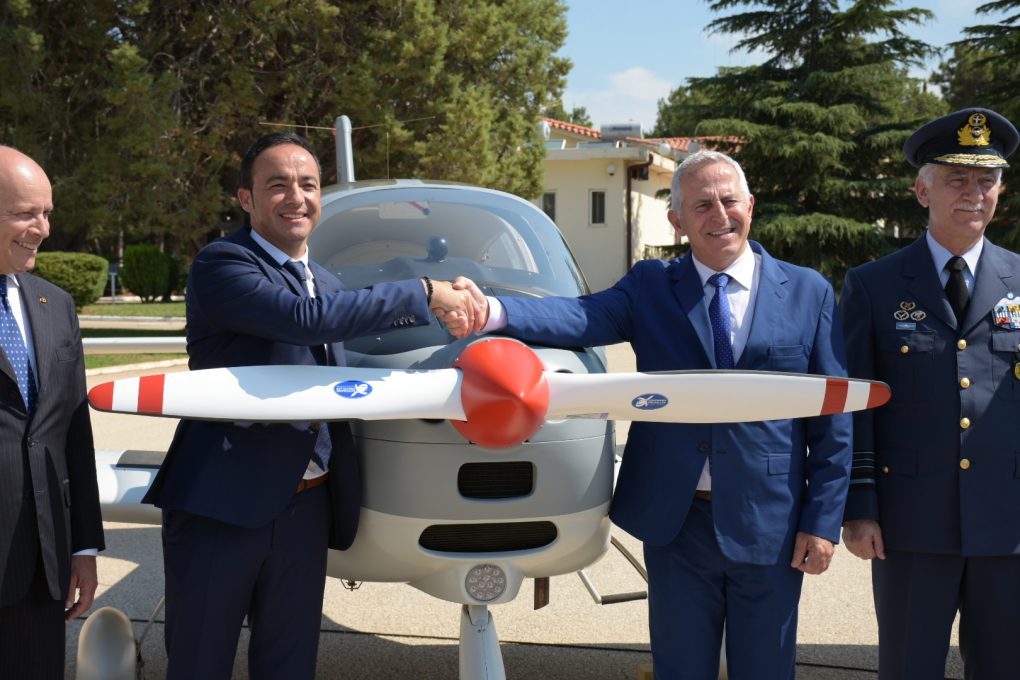
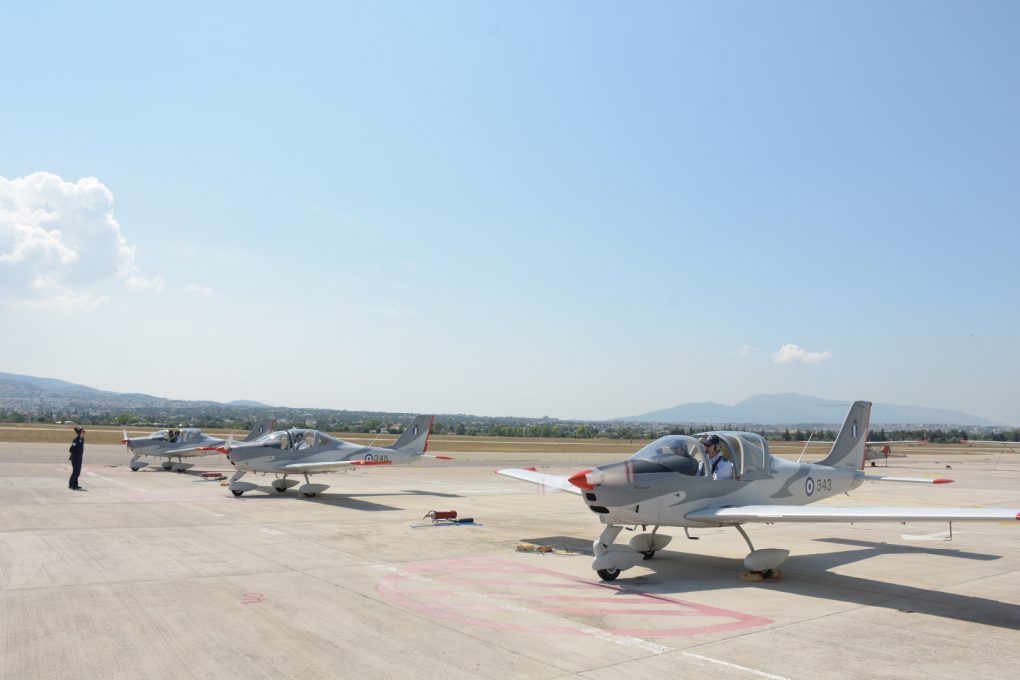
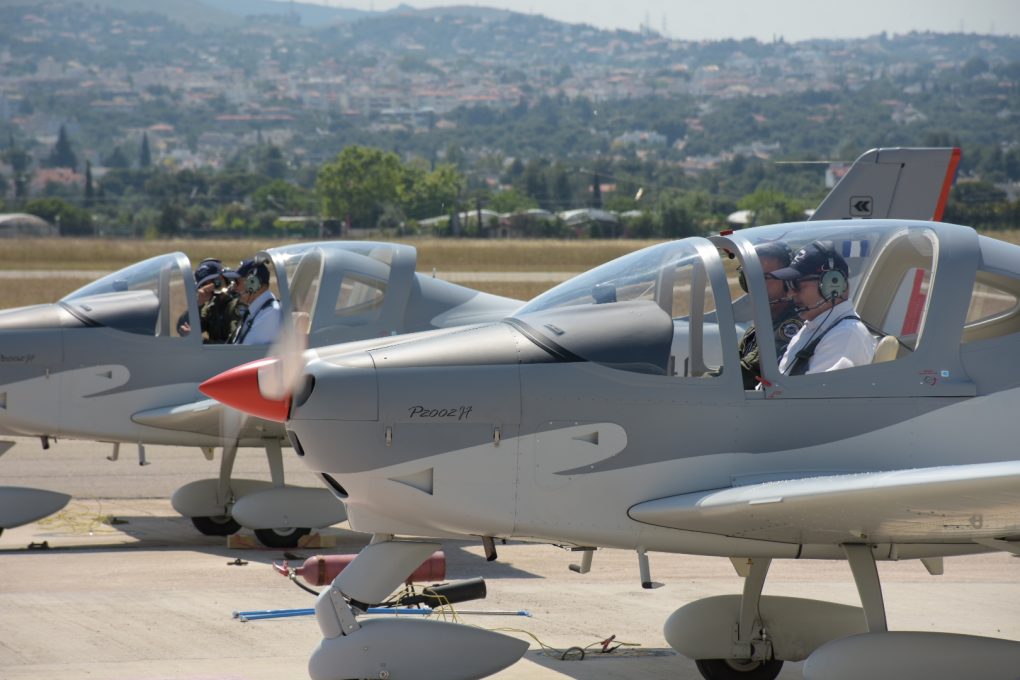
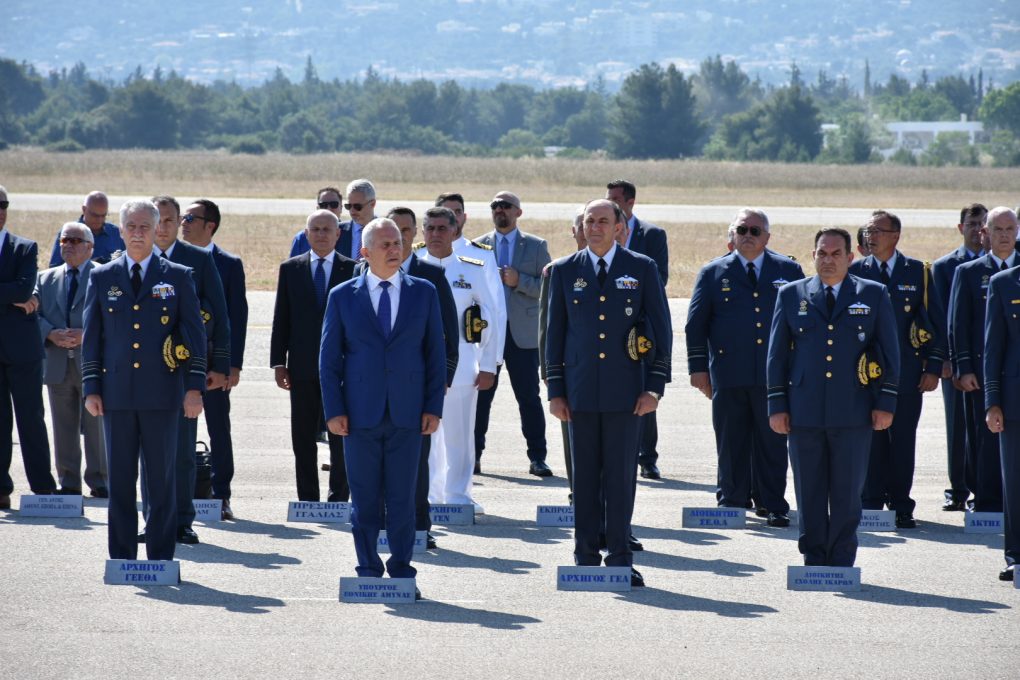
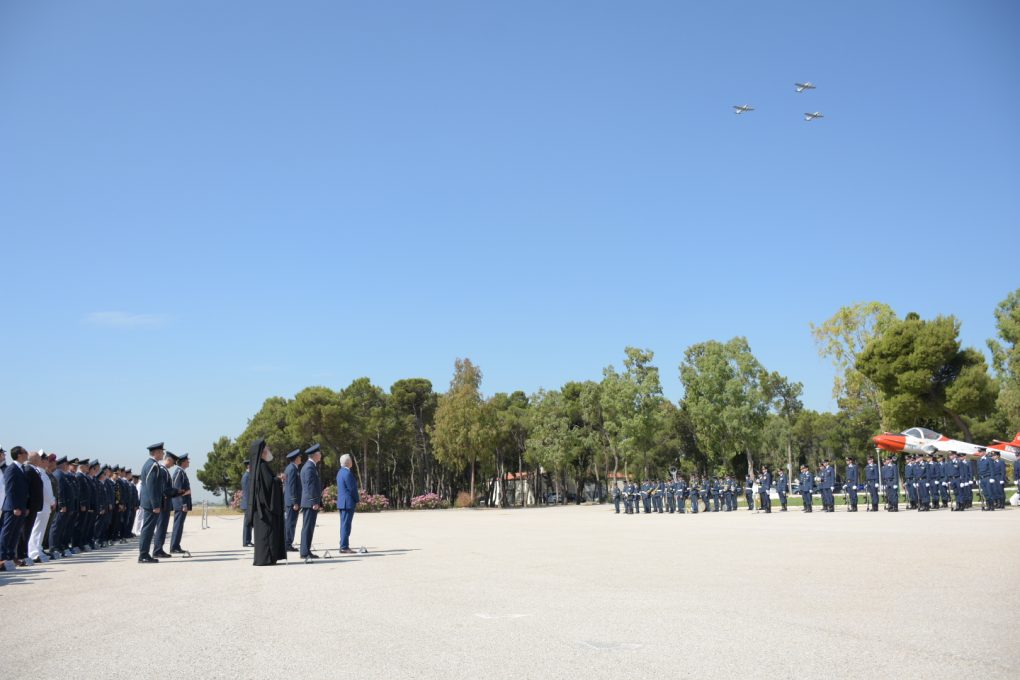
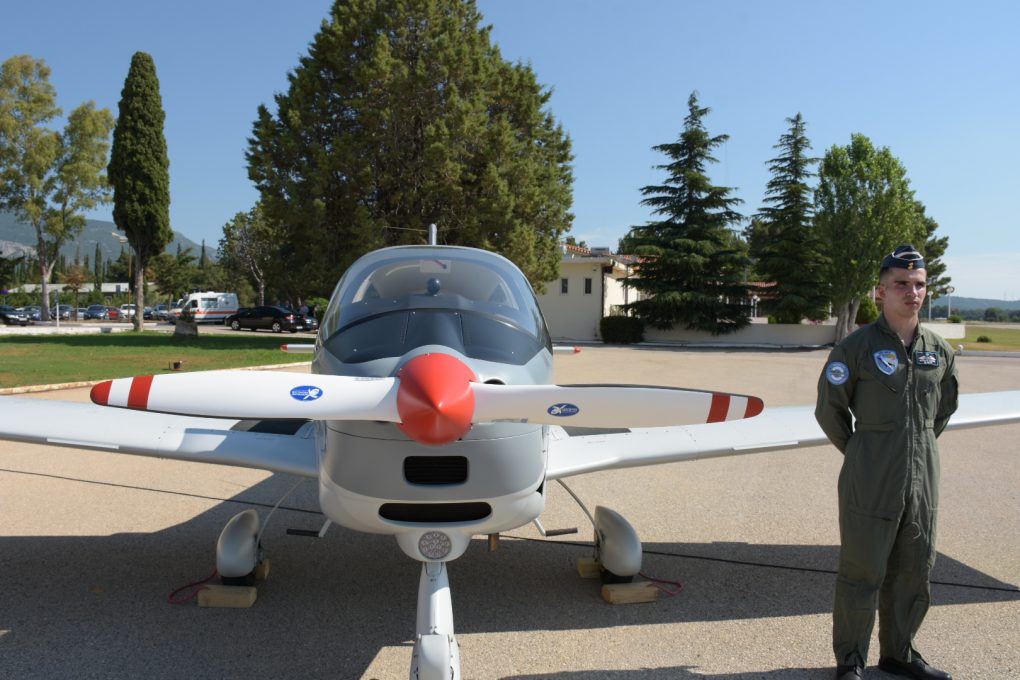
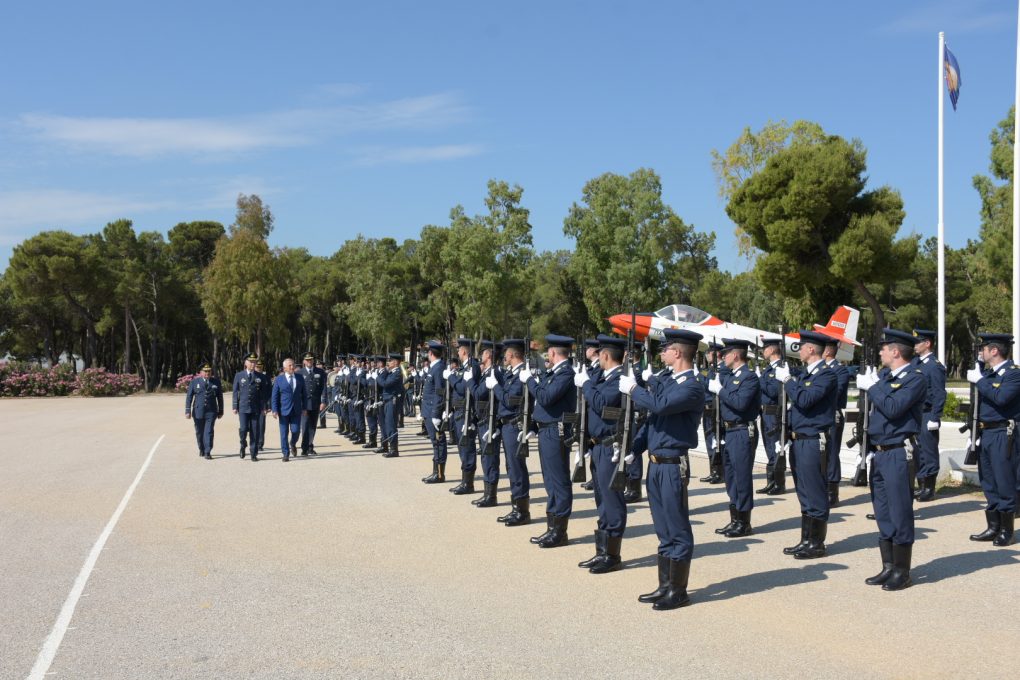
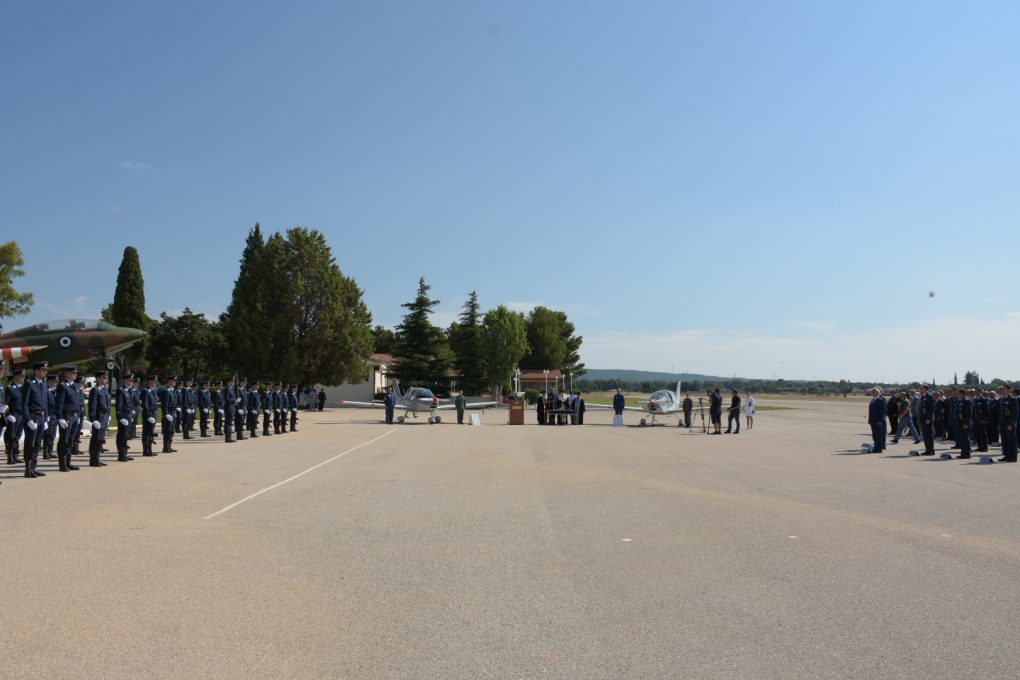
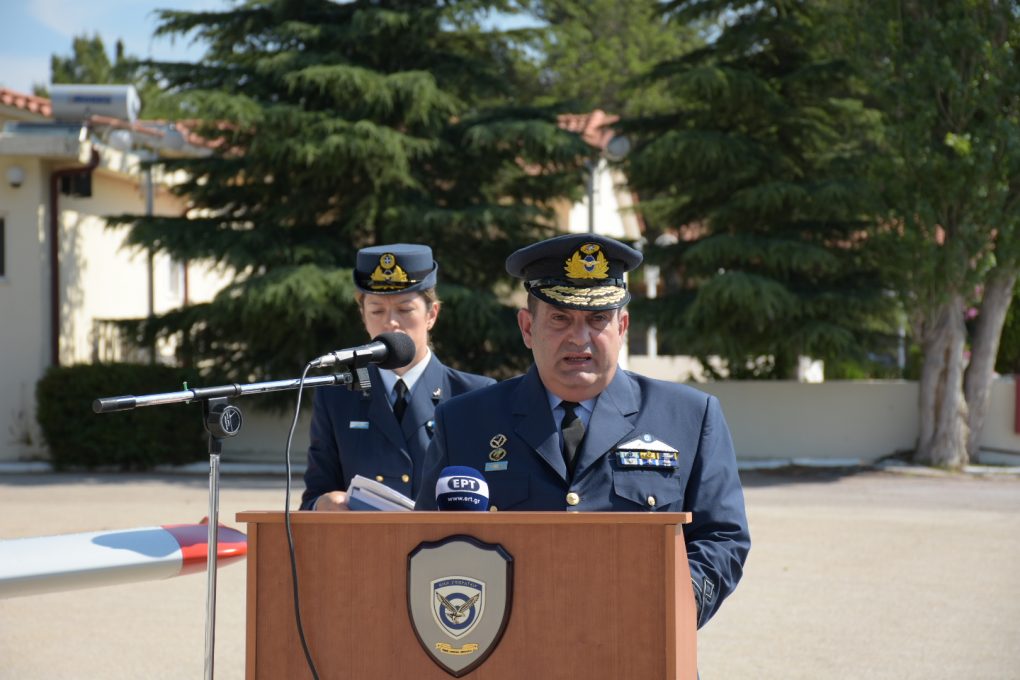
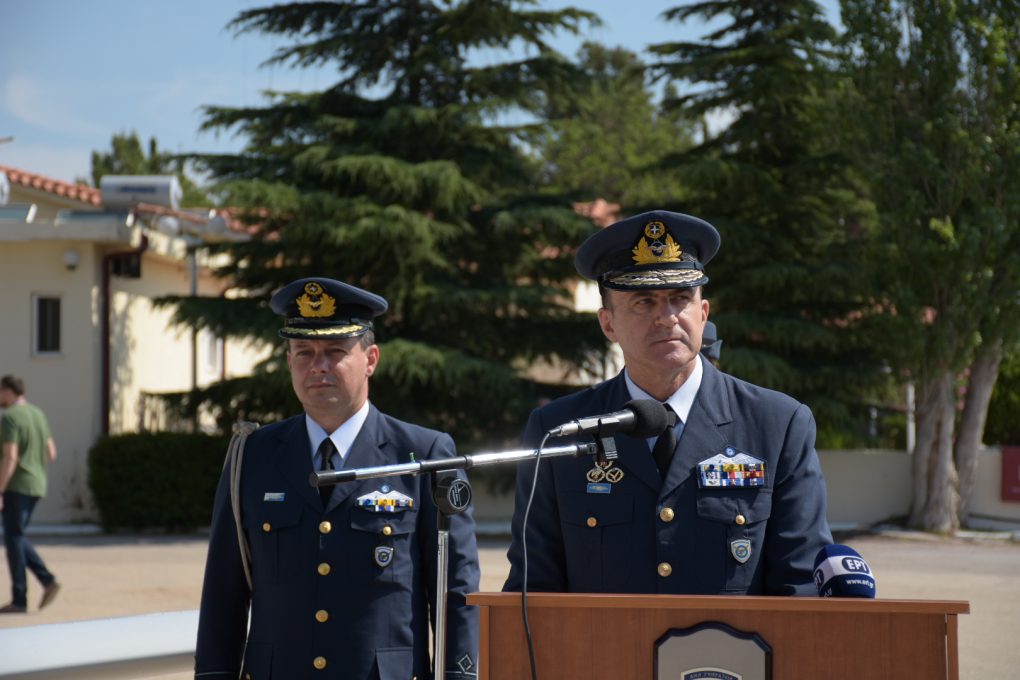
The Minister of National Defence Evangelos Apostolakis attended the ceremony for the acceptance of 12 new training aircrafts for the selection stage, TECNAM P-2002JF, by the Hellenic Air Force, realised on Wednesday 12 June 2019 at the Dekeleia Air Base in Tatoi, where he made an address.
The Chief of HNDGS General Christos Christodoulou, the Chief of HNGS Vice Admiral Nikolaos Tsounis and the Chief of HAFGS Lieutenant General Georgios Blioumis also attended the ceremony.
The acceptance of the new training aircrafts is conducted in the context of materialisation of the upgrade programme of flight training realised at the Hellenic Air Force Academy for the initial selection and admittance of the students in the flight programme, but also of the Armed Forces’ wider planning for the sum of air training. These training aircrafts substituted the old T-41D, which were used for approximately 50 years, since 1969.
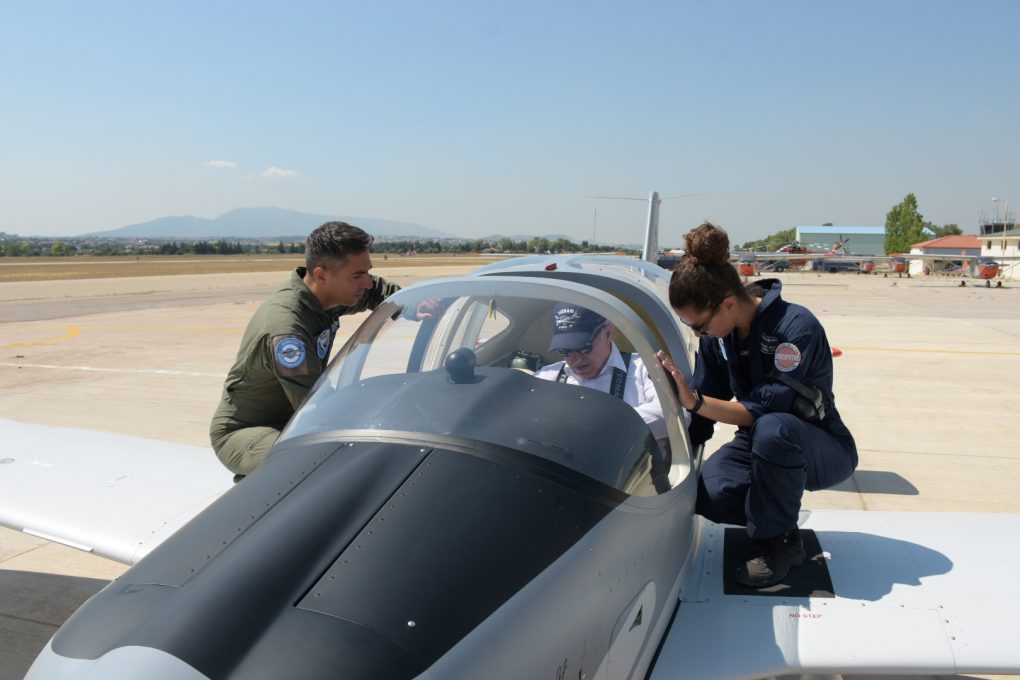
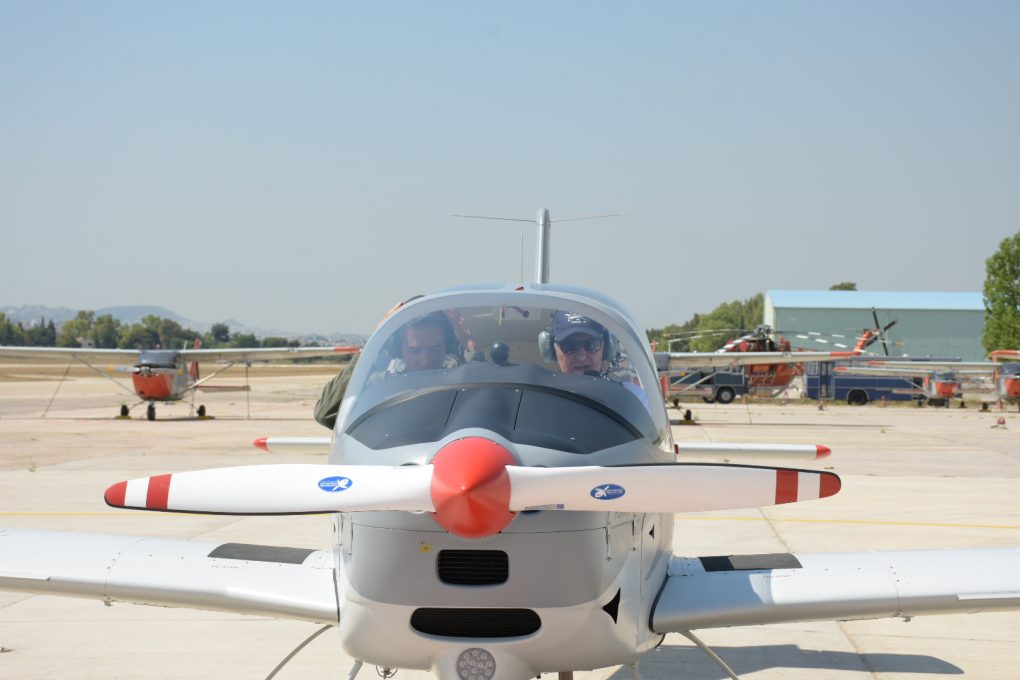
A flight of three of the newly acquired TECNAM P-2002JF training aircrafts was conducted in the context of the ceremony, carrying the Minister of National Defence, the Chief of HNDGS and the Chief of HAFGS, correspondingly.
The address of the Minister of National Defence can be read below:
“Ladies and Gentlemen,
I am particularly glad to be here at the Air Training Command, for the integration ceremony of the New TECNAM P-2002 Aircrafts for the selection stage to the Hellenic Air Force.
Today, on this joyous occasion, we look upon the fruits of an essential effort, the materialisation of a programme which aims to upgrade the flight training conducted at the Air Force Academy, the birthplace of the Hellenic Air Force. The integration of these 12 new aircrafts with the relevant land equipment for support and training, constitutes an essential and substantial step, in the context of the wider planning of the Armed Forces for the sum of air training.
However, we are at the same time proud, because today we are realising a major requirement of the Air Force, submitted many years ago. An imperative need in the critical field of our airmen’s training, which the Air Force has been facing for years. A new training system for the initial selection and acceptance of our students to the flight programme. The acquisition of new training aircrafts, to substitute the old T-41D, which had been raising generations of pilots for approximately 50 years, since 1969.
Yesterday’s landing to Tatoi of the last three aircrafts of the programme, also signals the qualitative take off in the field of the training provided to the students of the Air Force Academy.
Tomorrow’s pilots are given the opportunity to spread their wings, being the ones who will fly the modern fighter aircrafts in a few years, and train with greater safety and effectiveness. To successfully jump to the next level of training and make a better transition to the fleet’s modern aircrafts.
This is of course the capstone of the exceptional preparation, of coordination and cooperation, between the Air Force and the TECNAM company. I would like to express my sincere congratulations, for their essential total contribution to the whole effort of the programme’s materialisation.
I would like to stress that we made this programme a reality and furthermore ahead of schedule and in the most cost effective way. We trained technicians and pilots and the flights of our first-year students with the new aircrafts have already begun. Moreover, the new aircrafts have already been integrated in the plan of the Armed Forces’ assistance provision for the current fire protection period, through air surveillance missions.
Ladies and Gentlemen,
We are fully aware of Thucydides’ maxim: “The city is men and not walls and ships empty of men”. We rely on the Armed Forces personnel, which constitutes our foundation and our most valuable force multiplier.
The improvement and upgrade of our personnel’s training constitutes a high priority for us and it was always at the centre of our planning.
The high level of our personnel’s training and proficiency constitutes a substantial guarantee of the Armed Forces’ combativeness and effectiveness.
Besides, the Armed Forces have proven the adequacy of their professionalism. They are internationally acknowledged for their combativeness and effectiveness. We safeguard and utilise these capabilities, like we are doing today.
And as I have mentioned before, air power constitutes a basic element of the national military might and an essential dimension of defence diplomacy.
Particularly at our exceptionally fragile and volatile geostrategic and geo-economic environment, the importance of air power is of paramount importance for our country.
I would like to stress that we always work bearing in mind the constant effort of promoting well-meant jointness and synergy. Our aim is to increase interoperability among the Armed Forces services, so that the Army, the Navy and the Air Force will collectively become even more effective.
This of course is demonstrated daily by our air force units which, along with the land and naval units, successfully shield our country’s defence status and secure our sovereign rights in full.
With a high national conscience and decisiveness, the Hellenic Armed Forces guarantee security, peace and our country’s territorial integrity.
Ladies and Gentlemen,
The transformation and the adjustment of the Hellenic Armed Forces to the new conditions constitute the only way forward.
Today, within this context, we upgrade our air training, through the materialisation of the programme for the New Aircraft for the selection stage.
Our air power is upgraded.
The Air Force is upgraded.
The Armed Forces are upgraded.
Finally, I would like to once more congratulate the Air Force for the whole effort which led to this exceptional result.
I wish success and accomplishment of all our goals.
I wish to the students, their instructors and the aircrafts’ support personnel, good flights, safe landings and successful missions.
Thank you very much”.