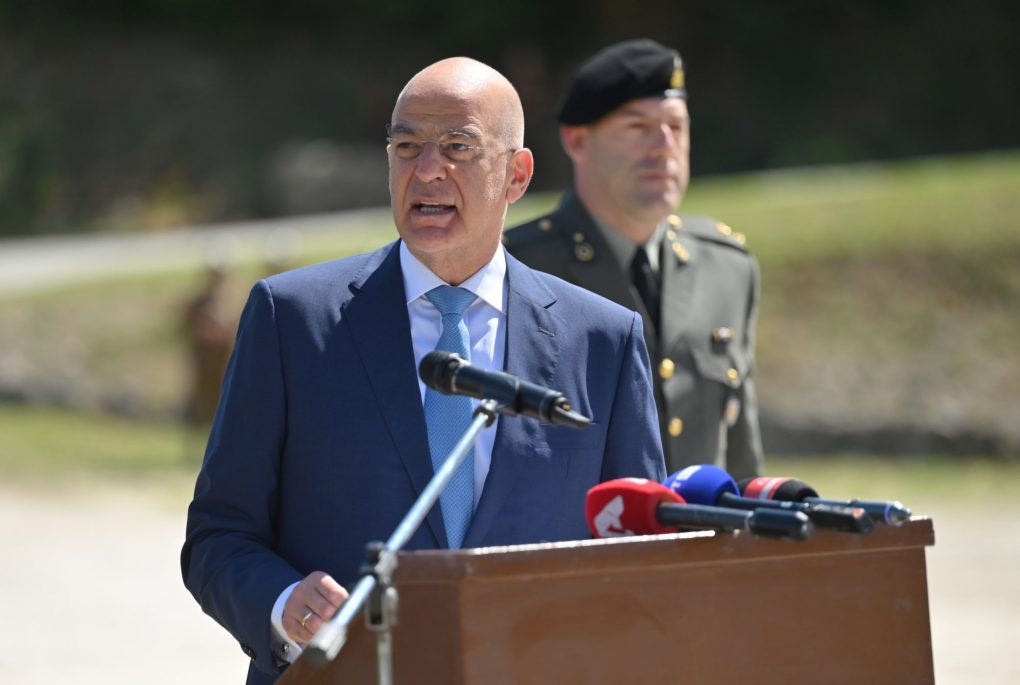
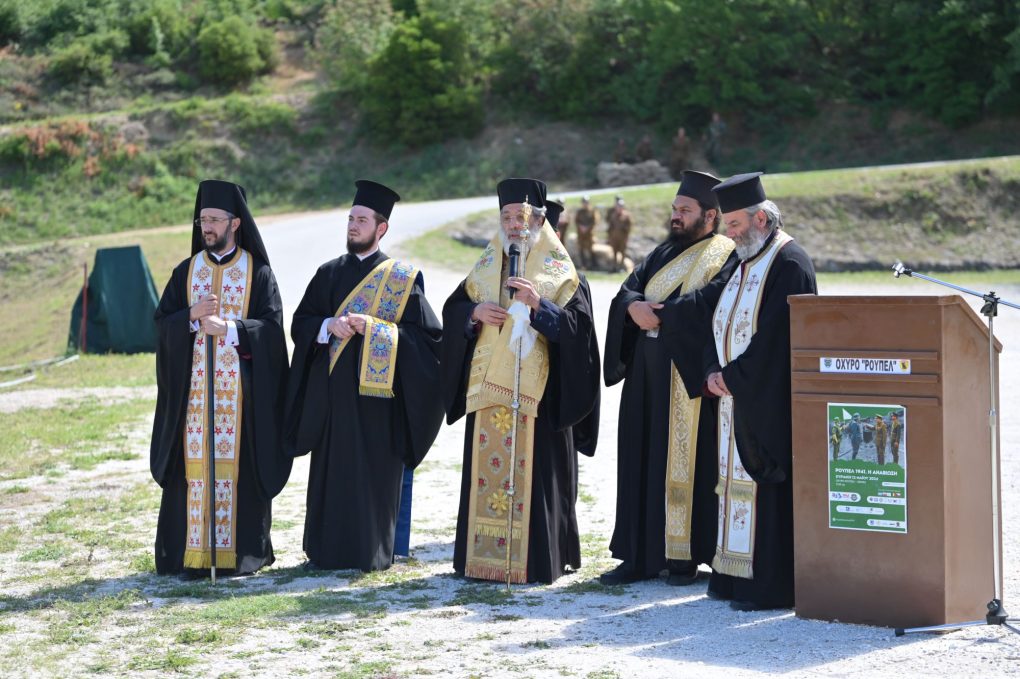
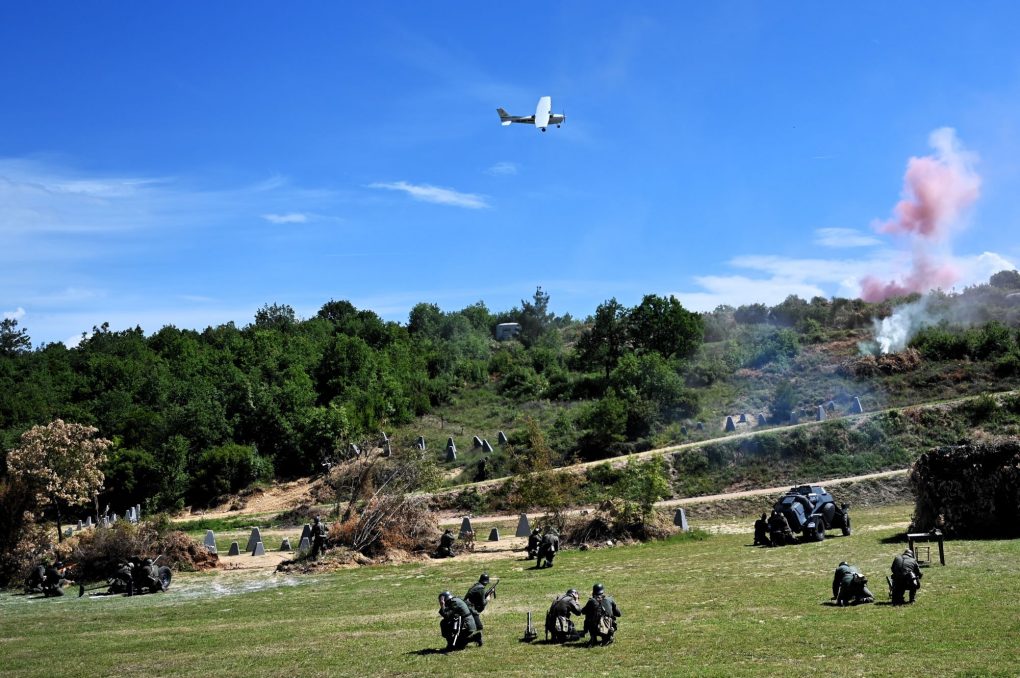
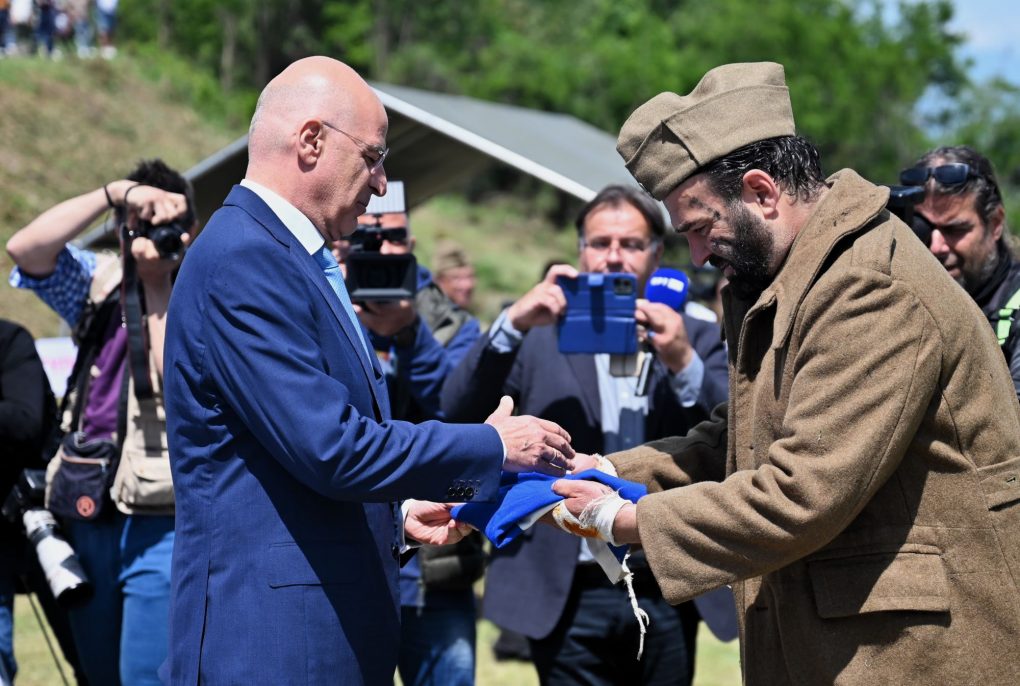
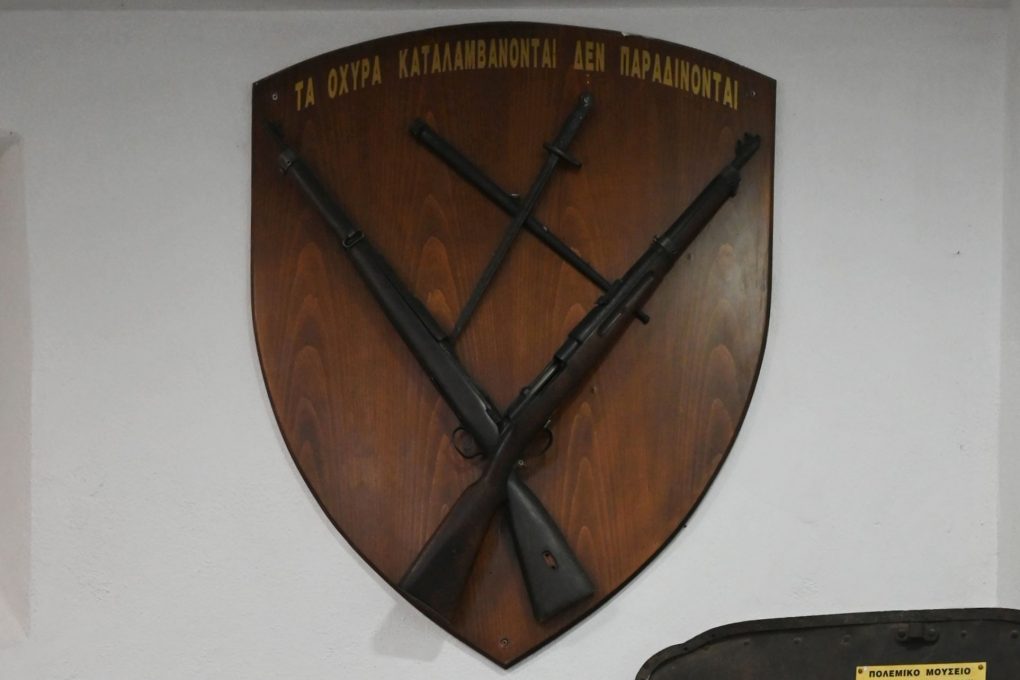

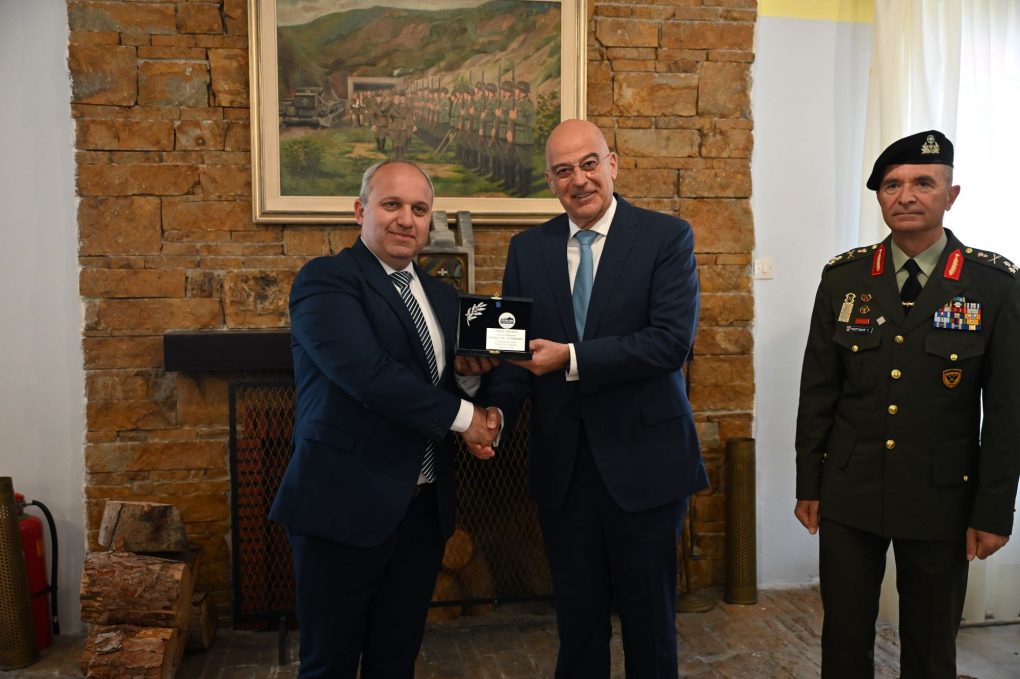
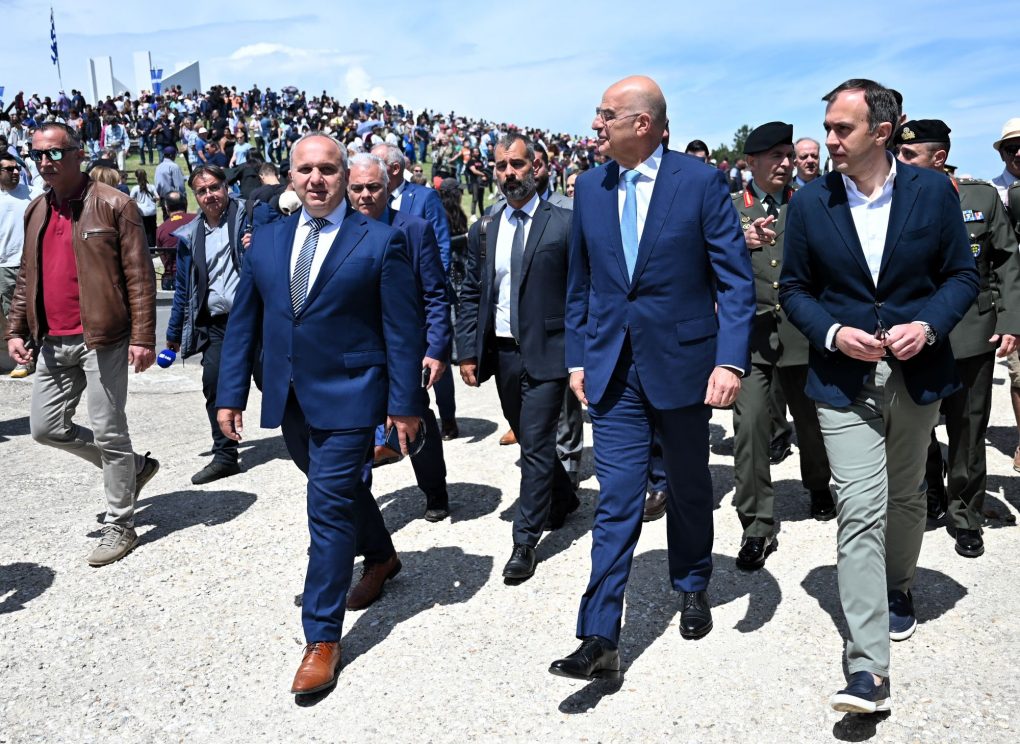
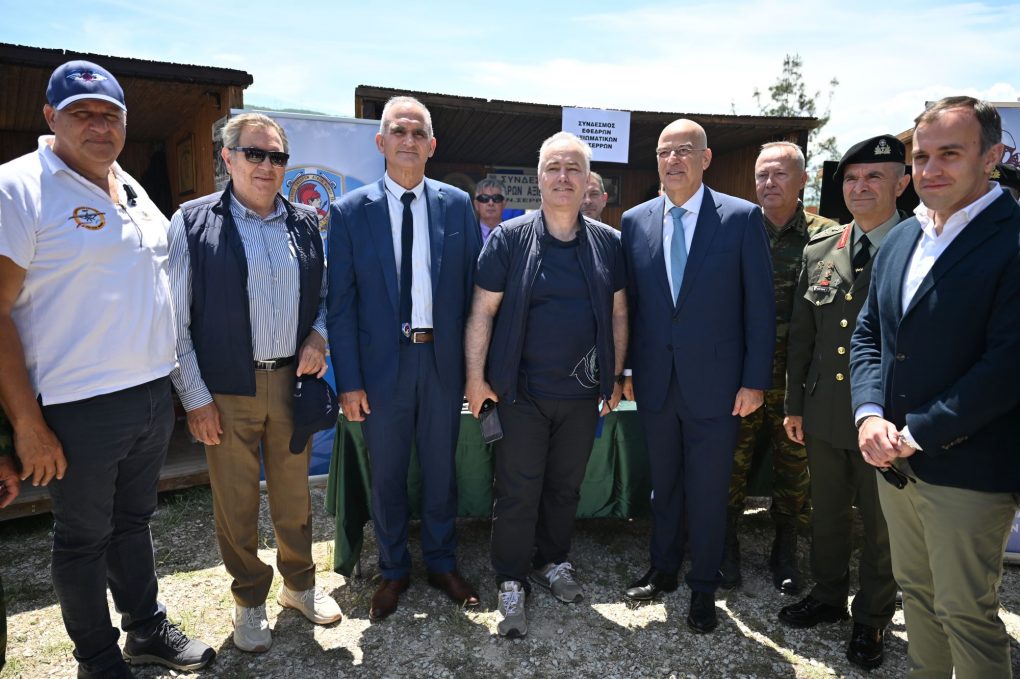
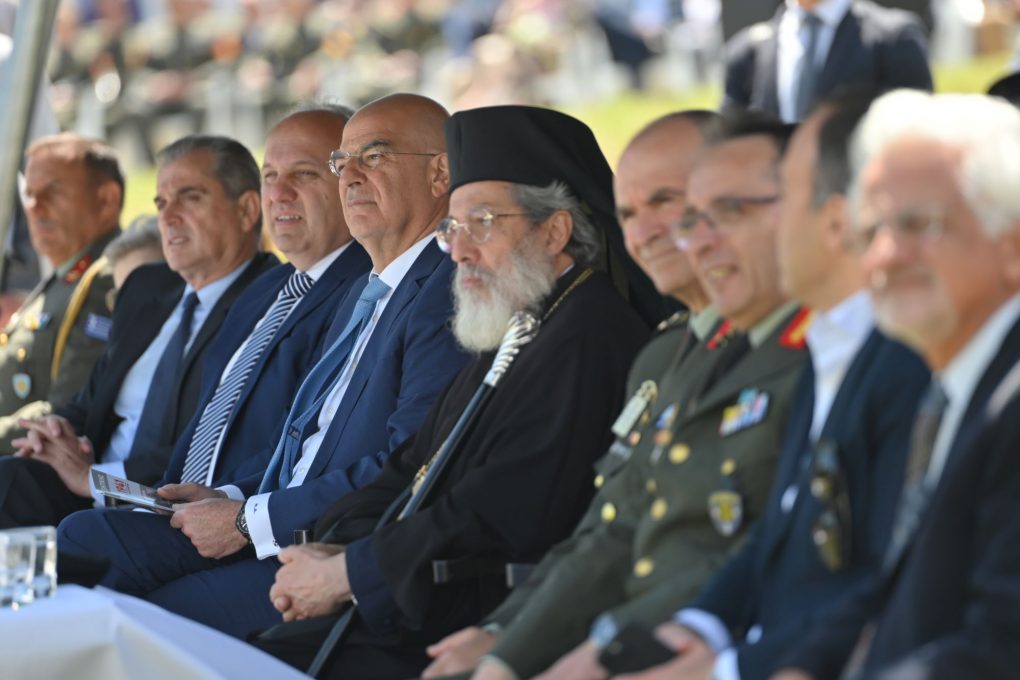
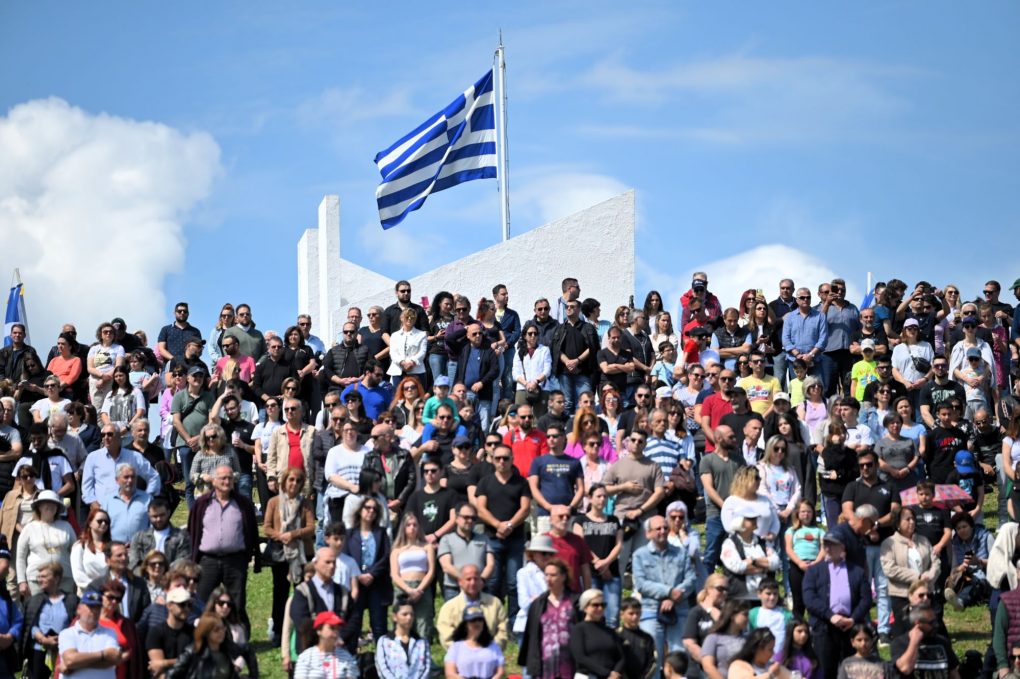
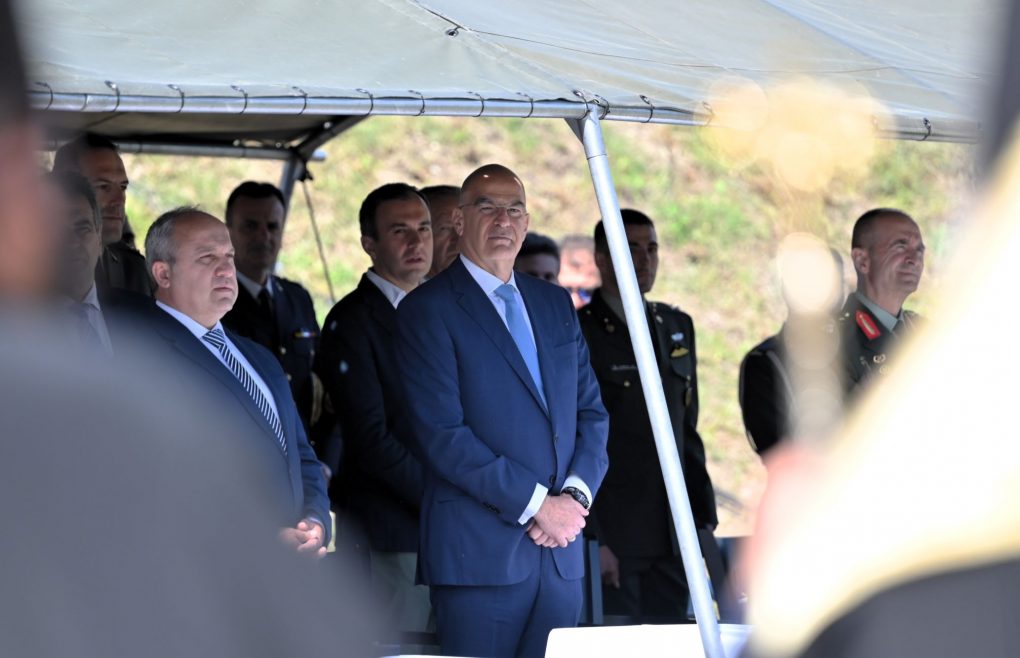
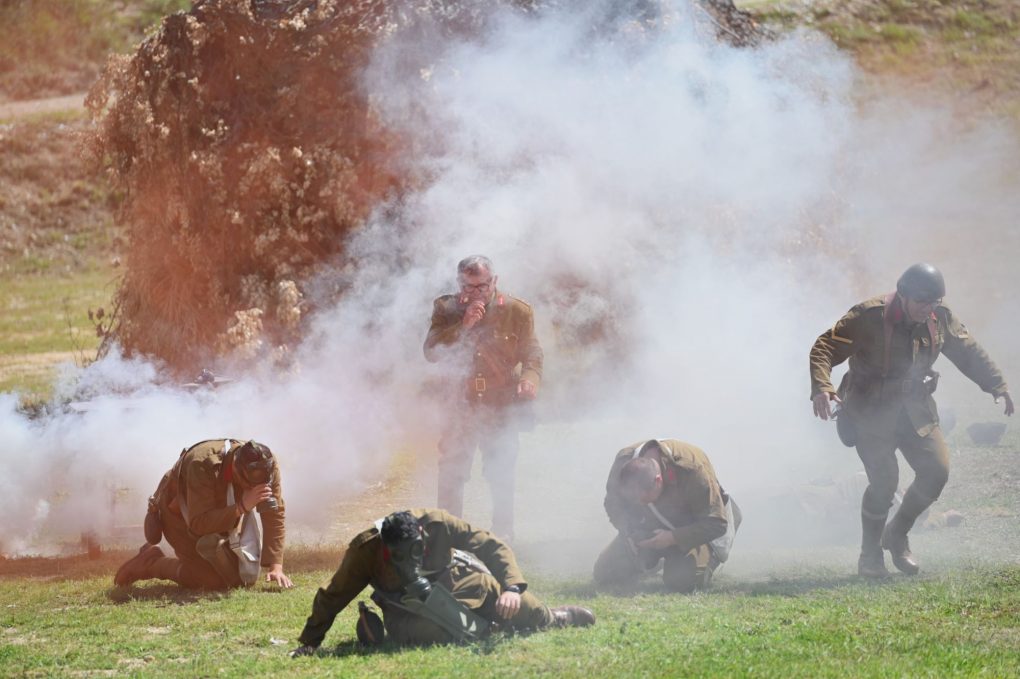
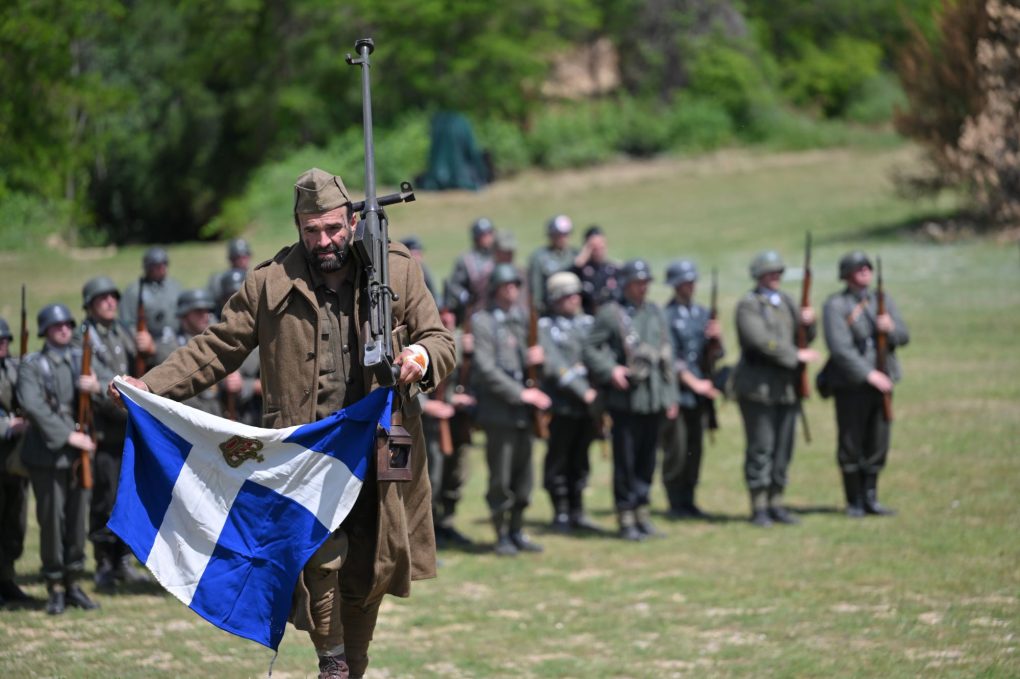
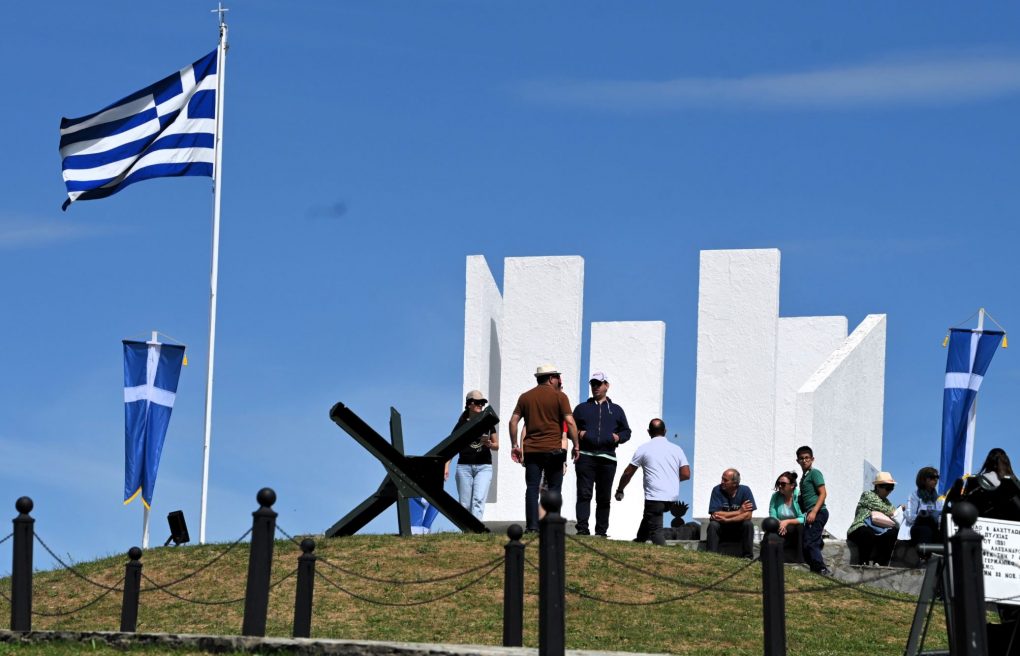
On 12 May 2024, the Minister of National Defence, Nikos Dendias, attended the memorial service for the fallen of Fort Roupel and the “ROUPEL 1941: THE RESURGENCE” ceremony, as representative of the Government. The ceremony was organised by the Municipality of Sintiki in collaboration with the the “Stenopos” Association in the context of the “Month of the Forts”.
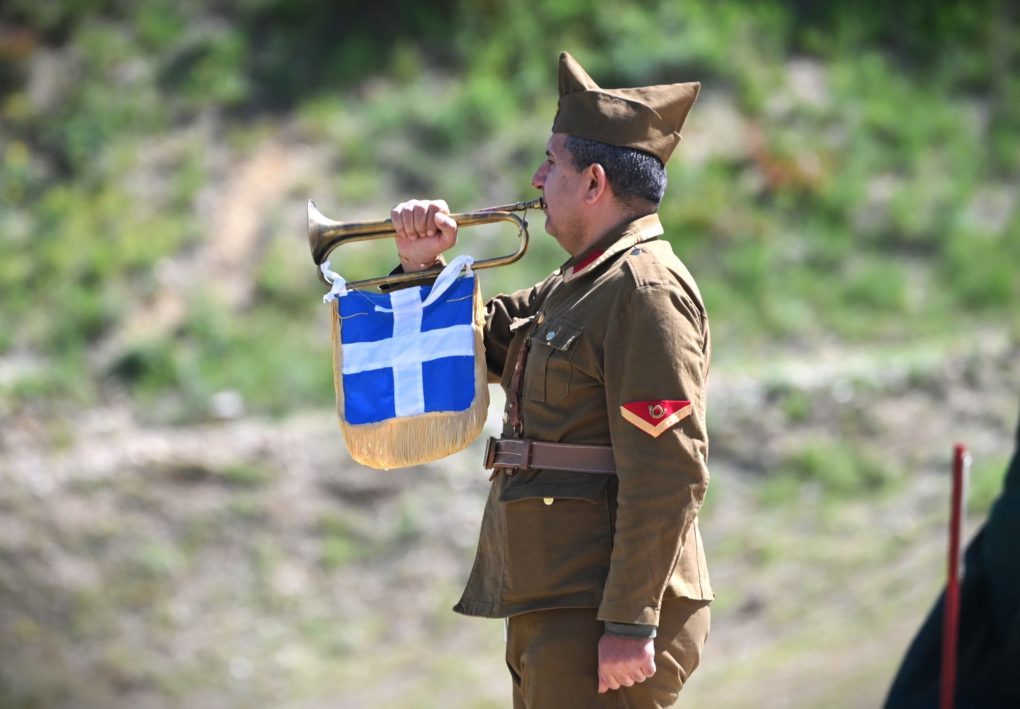
After the memorial service, which was officiated by his Eminence the Metropolitan of Sidirokastro, Mr. Makarios, the biography of the Officer of Honour, Second Lieutenant Anastasios Porfyris (1908-2000), Commander of Fort Roupel’s 9th Company was read, and a re-enactment of the historic “Battle of the Forts” followed.
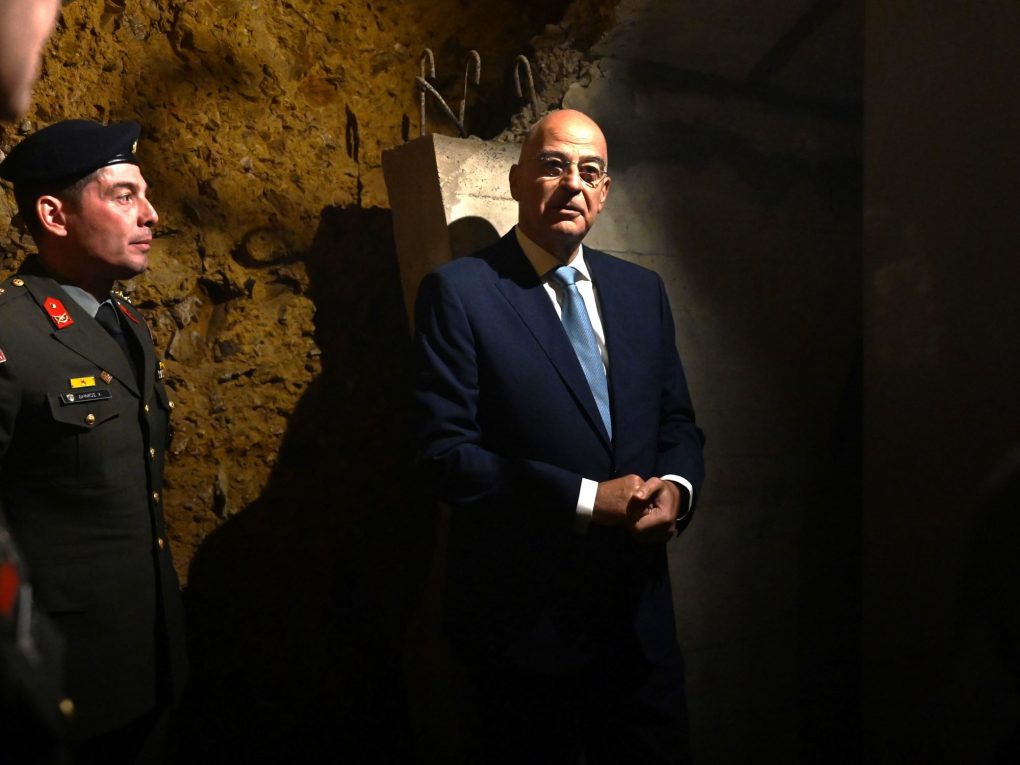
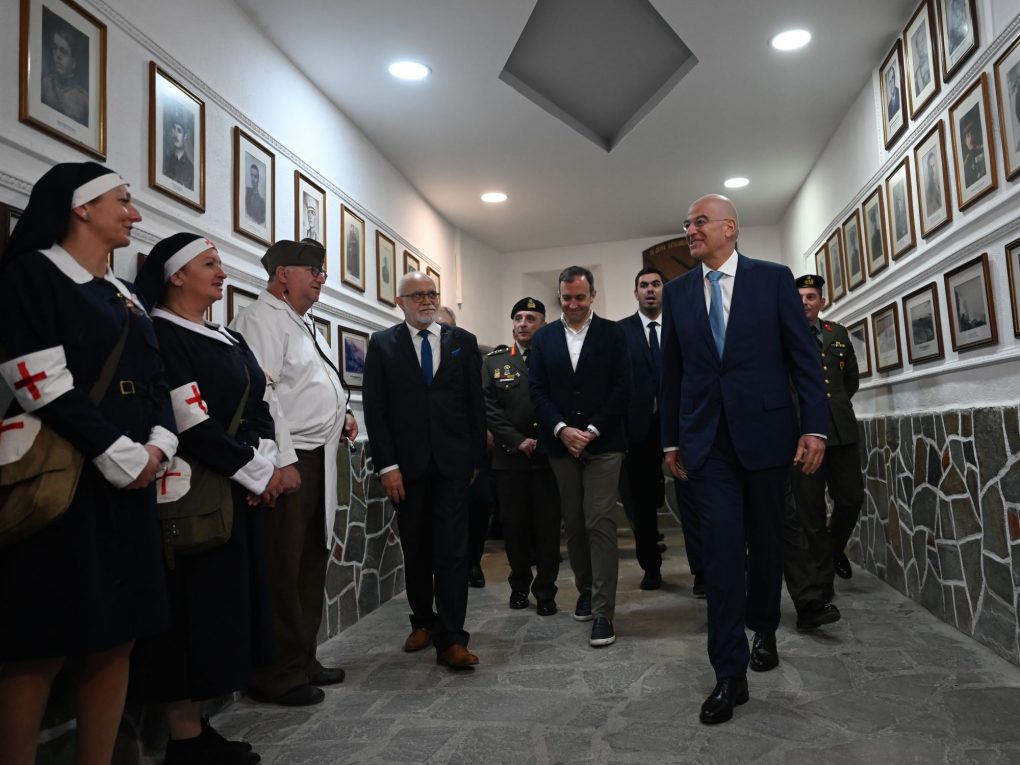
Afterwards, the Minister of National Defence was offered a tour to the underground premises of the Fort.
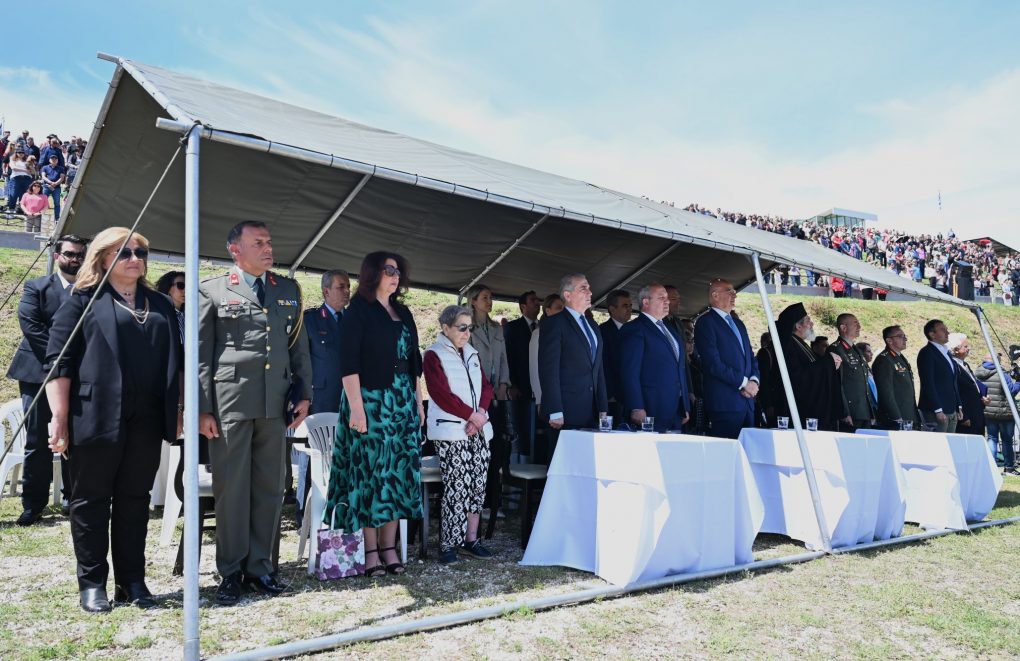
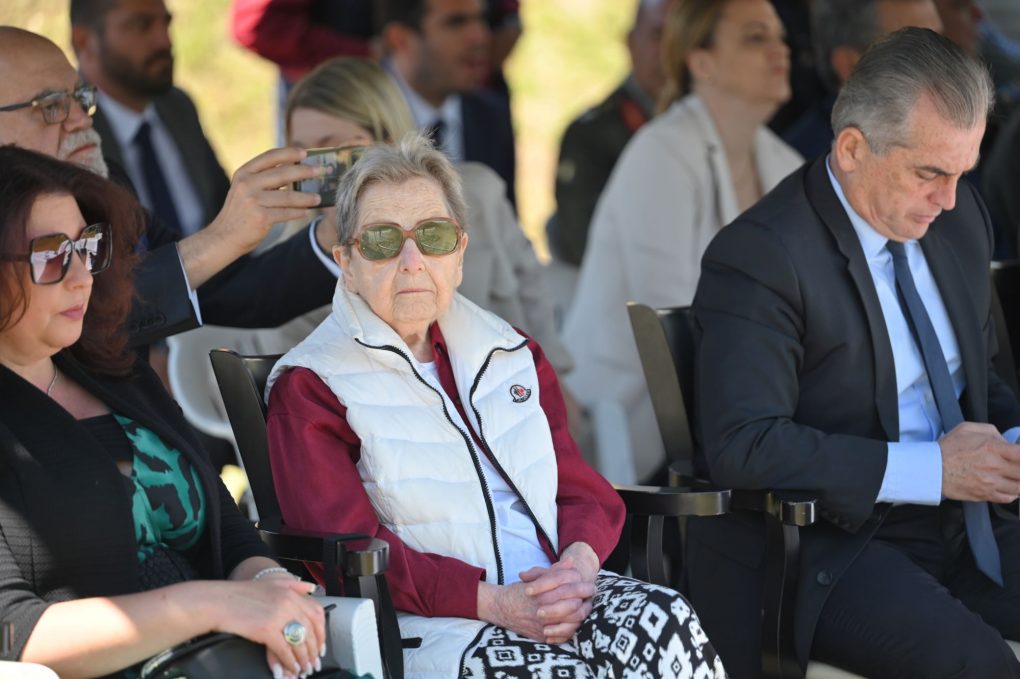
The ceremony was attended by MPs Anastasios Hatzivasiliou and Theofilos Leodaridis, the Mayor of Sintiki, Georgios Tatsios, the Mayor of Serres, Varvara Mitliaga, the Deputy Head of Region for Serres, Panagiotis Spyropoulos, and representatives of local government and institutions, as well as civilians.
On behalf of the military leadership, the ceremony was attended by the Chief of Hellenic Army General Staff, Lieutenant General Georgios Kostidis, as representative of the Chief of Hellenic National Defence General Staff, General Dimitrios Houpis, the Commander of C Army Corps/NRDC – GR, Lieutenant General Athanasios Garinis, General and Senior Officers of the Armed and Security Forces, as well as representatives of the Retired and Reserve Officers Unions.
The ceremony was hosted by journalist Alexis Kostalas.
In his address, the Minister of National Defence stated the following:
“It is a great honour and pleasure for me to be here today, so that we can remember and honour a heroic moment in the History of our Country.
In a place where the Hellenic Army defended our dignity once more. It defended our borders.
Allow me to make a brief flashback to a dilemma that was faced here. For those who know the history of the time, the advice of the English to Ioannis Metaxas and Field Marshal Papagos is widely known.
On 29 January 1941, the English advice, which was rational from a military perspective, was for the Hellenic Army to retreat from Macedonia and Thrace and set up fortifications on the Line of Olympus and the Valley of Aliakmon. That was communicated at first by the British Ambassador in Greece, Michael Palairet, but also by Field Marshal Henry Maitland Wilson, who came to Athens for that purpose on 13 January 1941, a few days before the death of Ioannis Metaxas.
In simpler terms, the purpose was to abandon Macedonia and Thrace as if they were undefendable. Our country, Greece, the Hellenic Army, and Greek society did not accept that advice. They did not accept, that is, the challenge of the limits of our National Sovereignty. They did not accept the surrender of our nation’s territory for the sake of the country’s survival. They did not accept the amputation of our sovereignty. They implemented the doctrine that says “stay on your positions and defend them”. The fighters whose memories we honour today fell following that doctrine.
They fulfilled the mission of protecting national sovereignty to the fullest. This way, Greece ensured its participation in World War II on the side of the winners, in its entirety.
Also, Mr. Mayor, the “Metaxas Fortification Line” was a revolutionary attempt for its time for defending national sovereignty.
I was aware of the Municipality’s and the local society’s request before coming here, and I would like to tell you that the Ministry of National Defence and the Government absolutely agree to hand over the Forts to the local society, and in reality, to the whole Greek society.
Seeing the thousands of people who came here today in order to honour the memory of those who fought here, I am absolutely certain, Mr. Mayor, that you will make the best possible use of this endowment in close cooperation with the Hellenic Army, because it belongs neither to us nor to you. It belongs to the whole of society, the Nation, the Country, our traditions.
Long live Greece! Long live the Nation! May you always be in good health”.