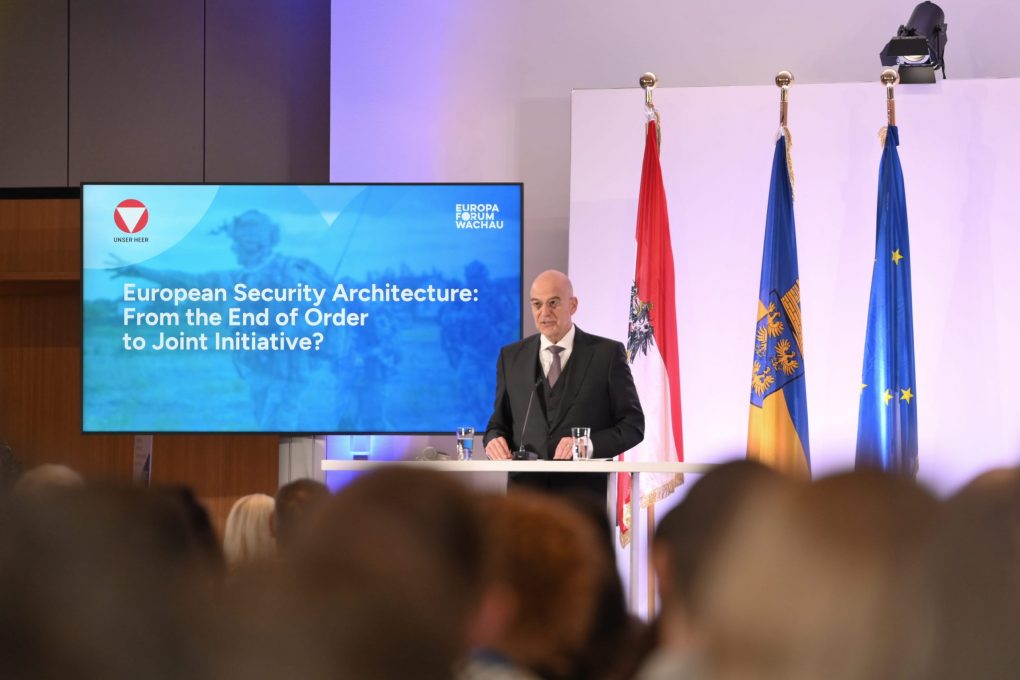
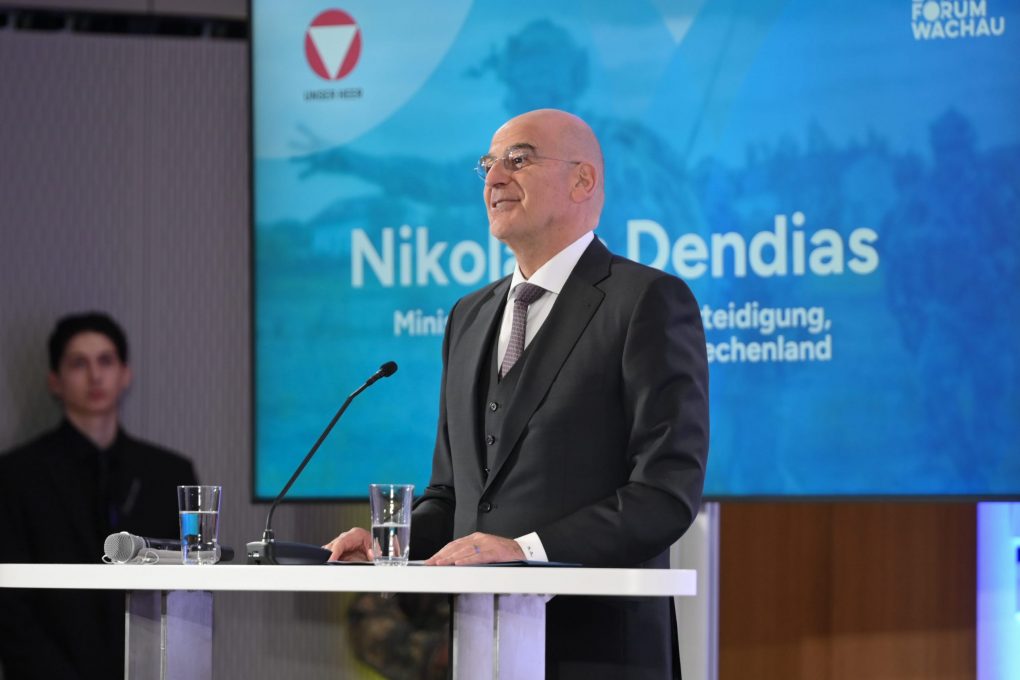
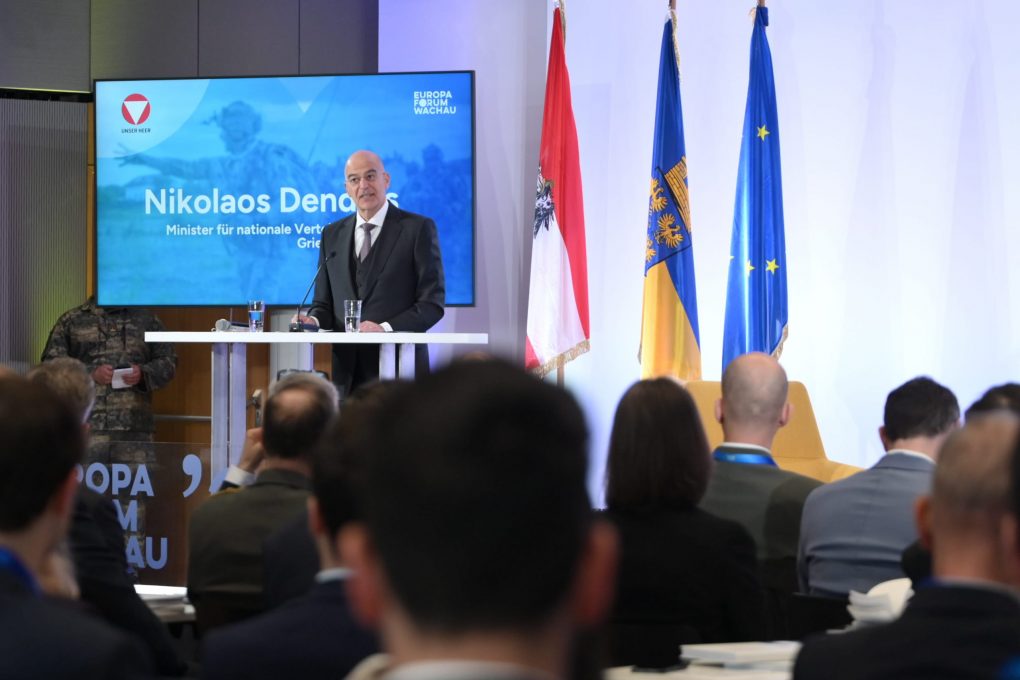
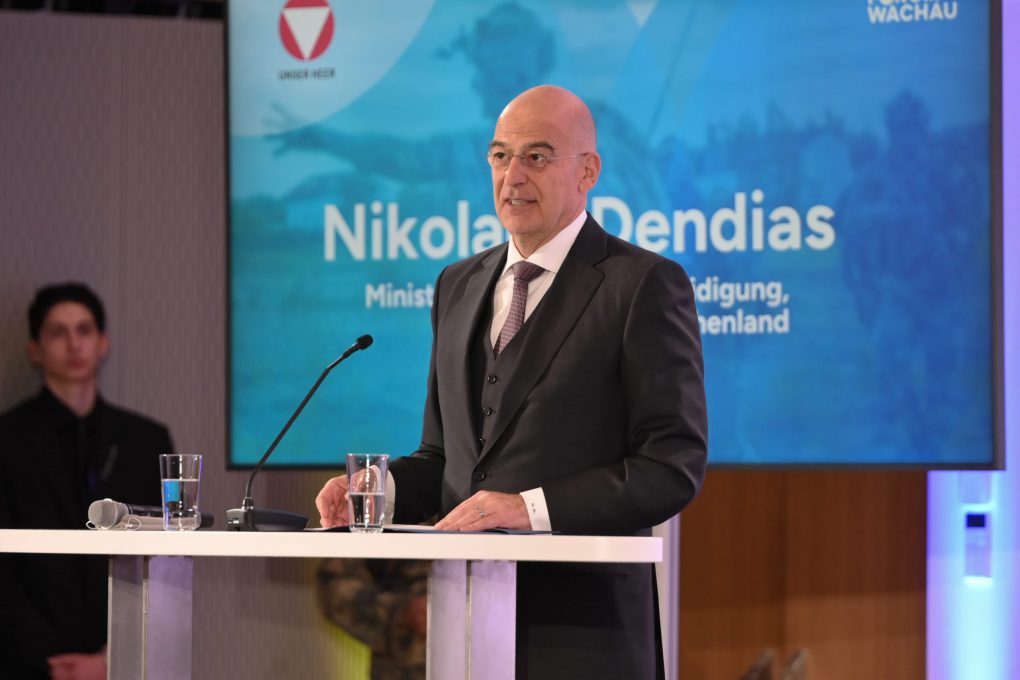
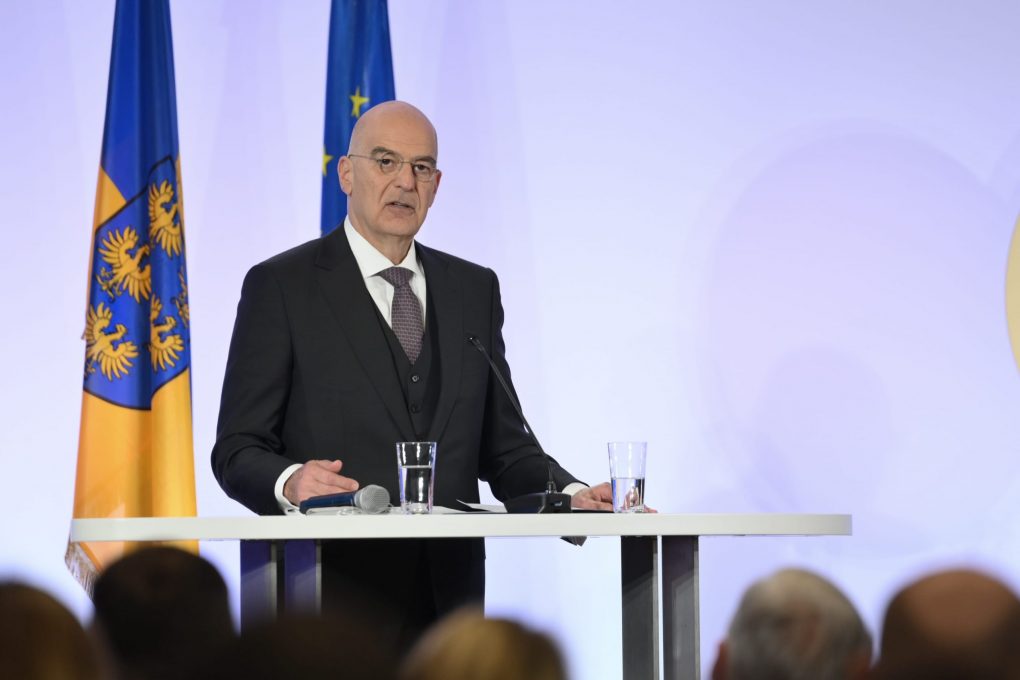
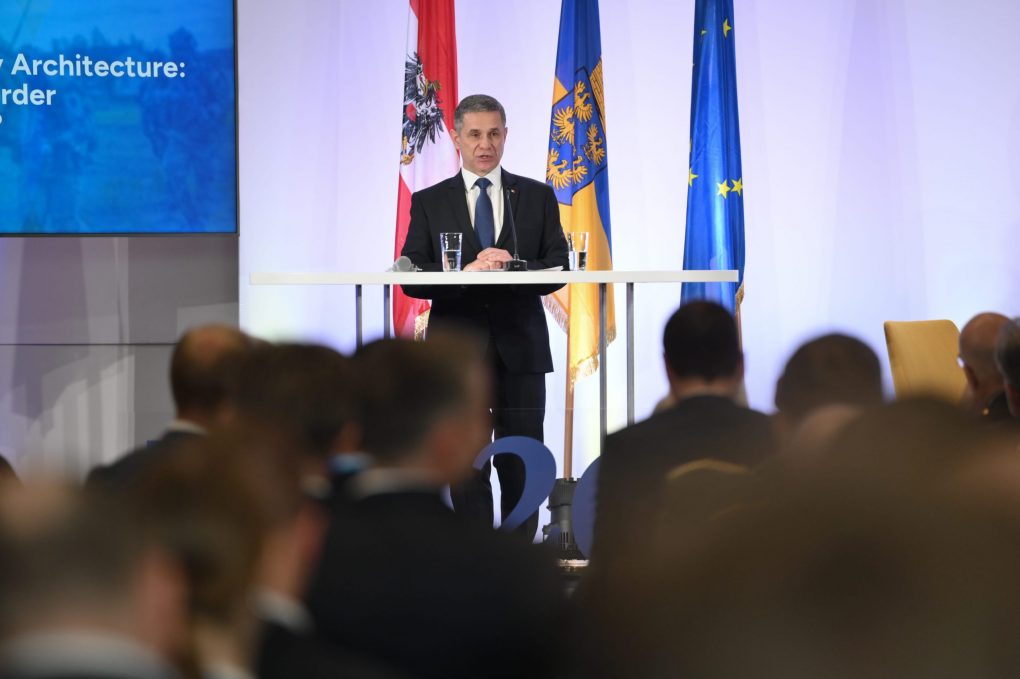
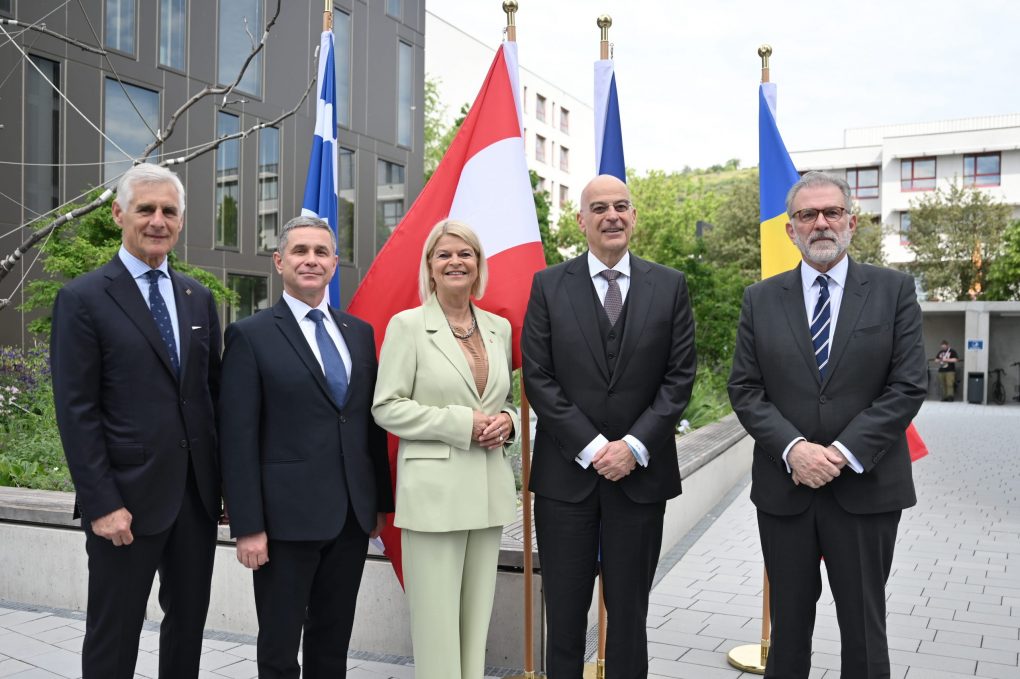
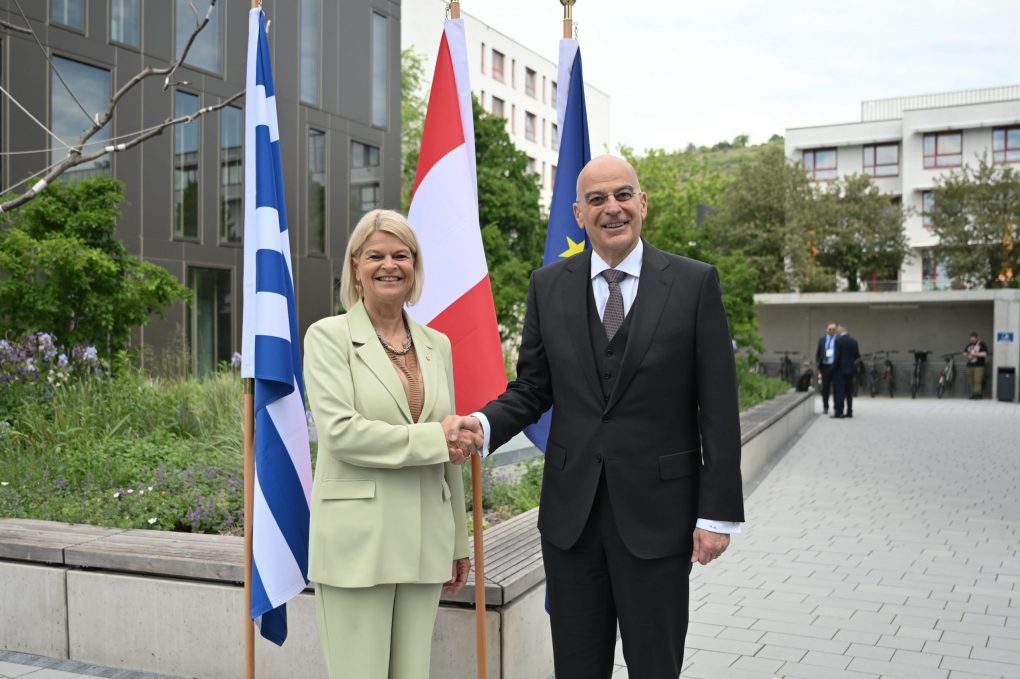
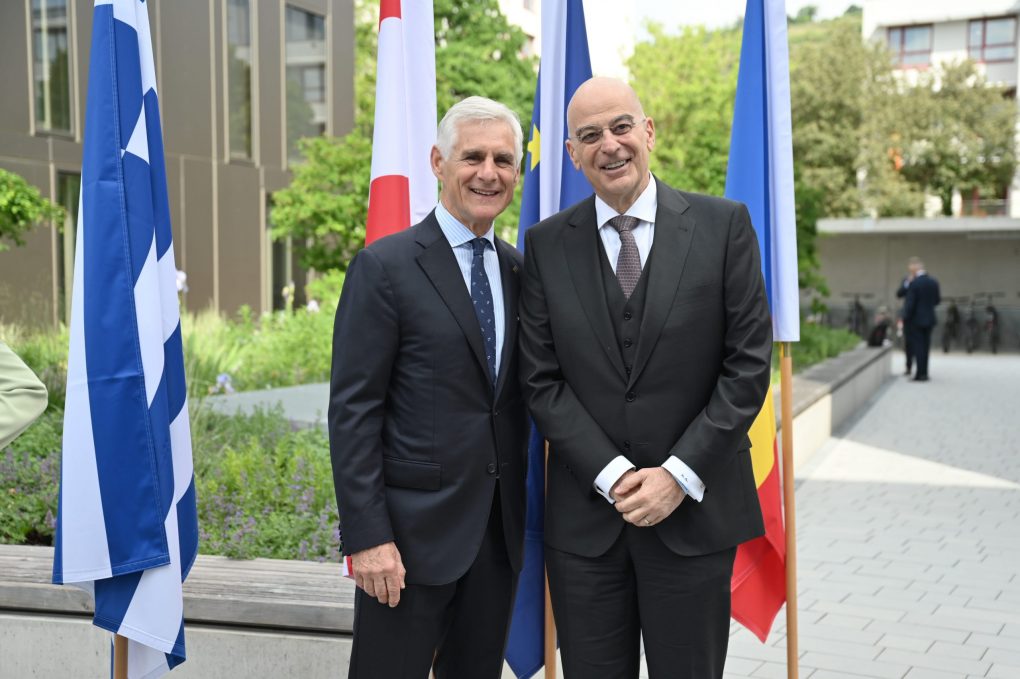
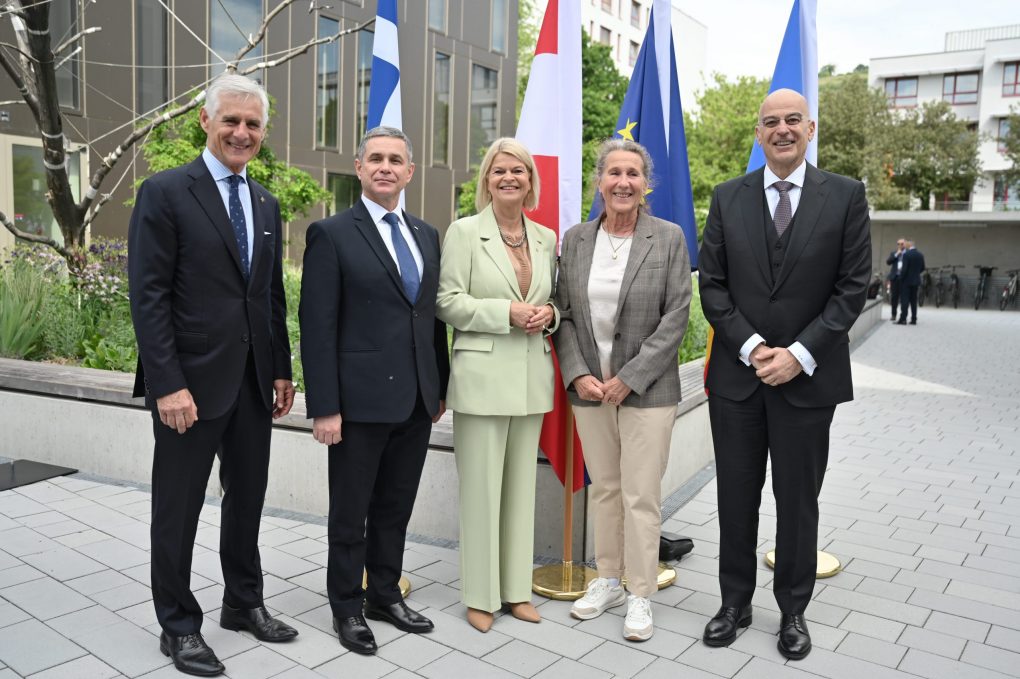
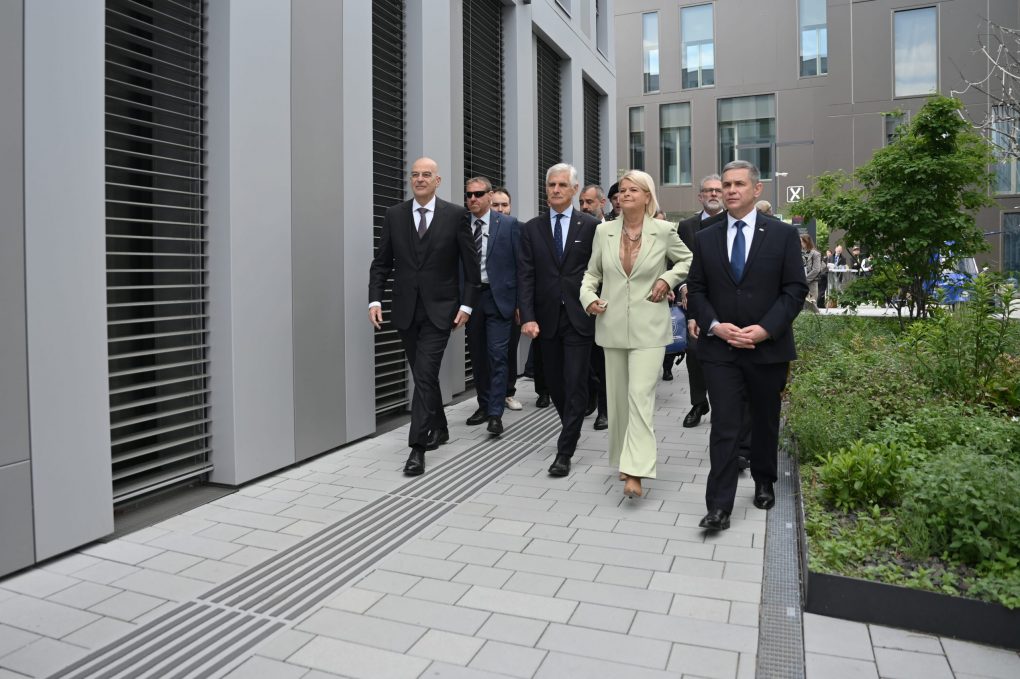
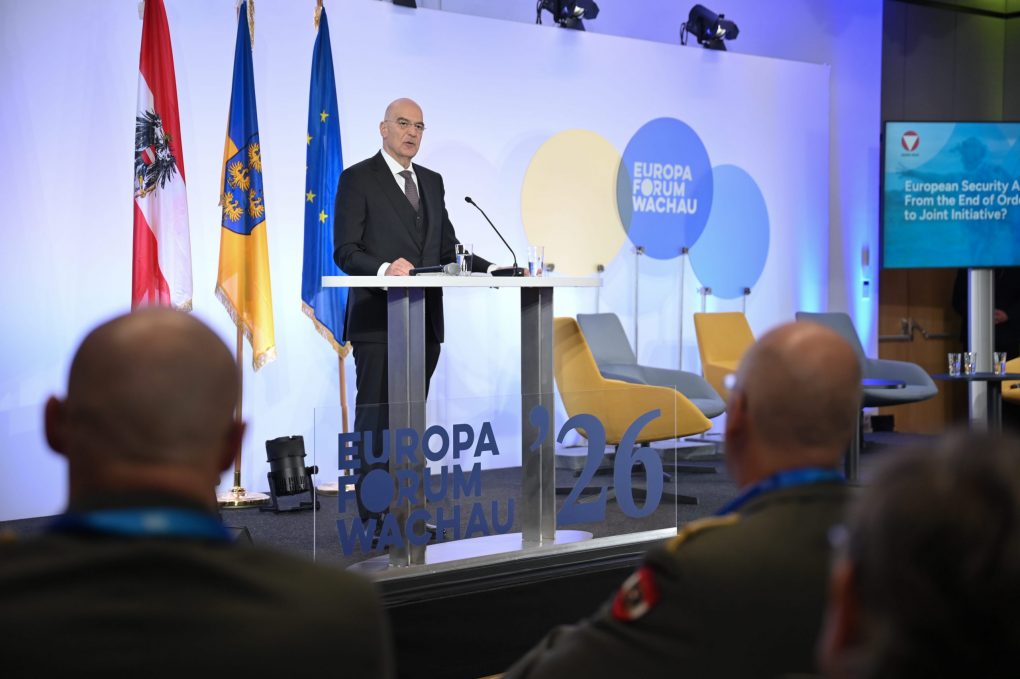
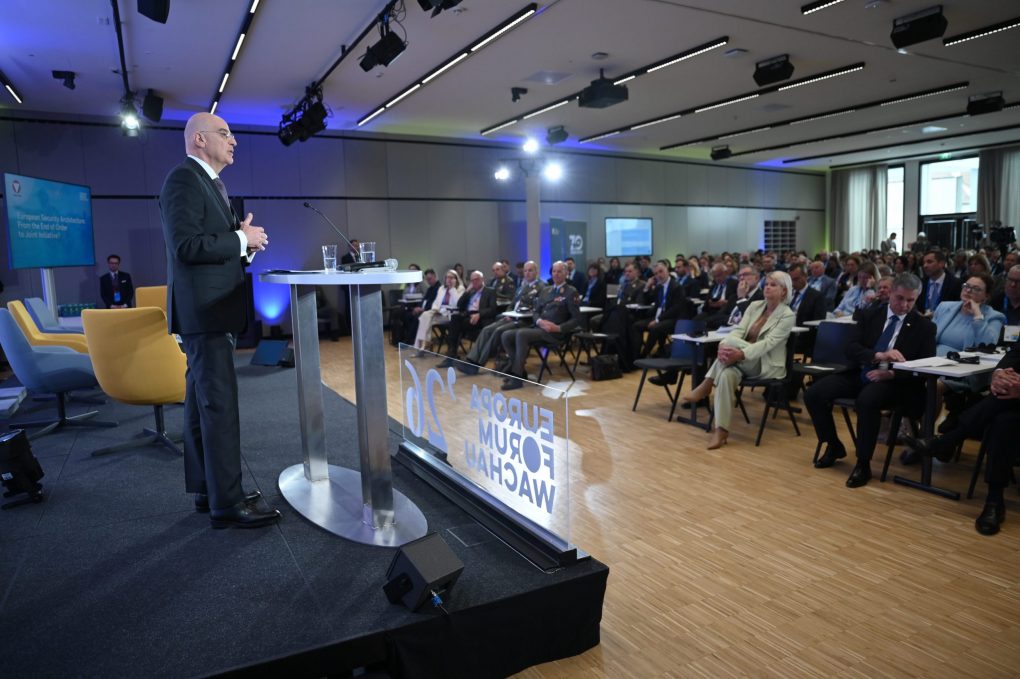
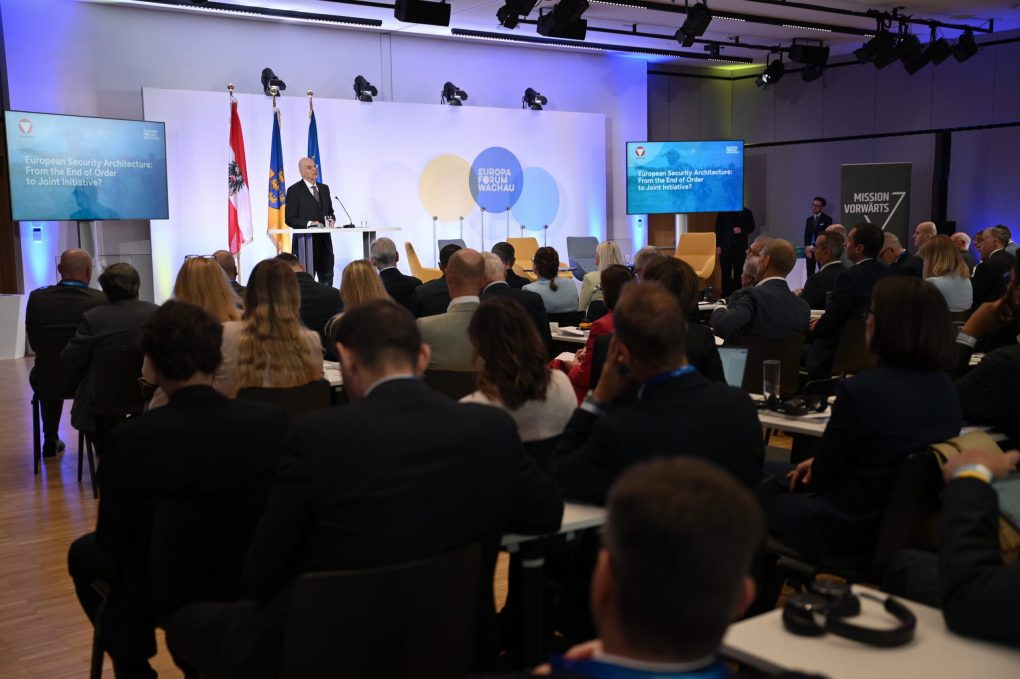
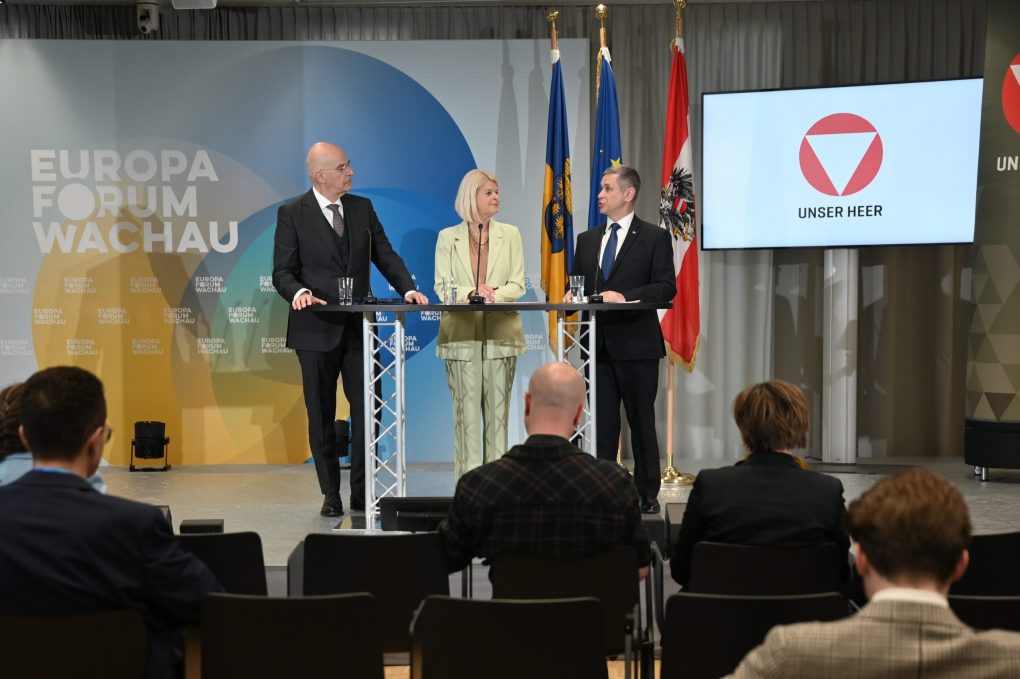
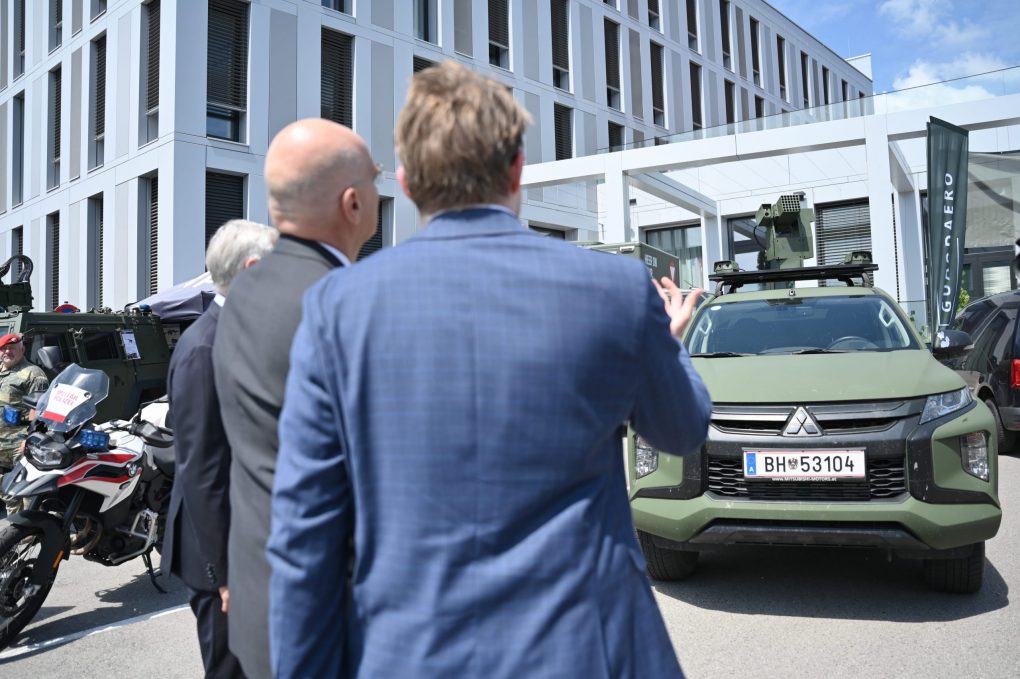
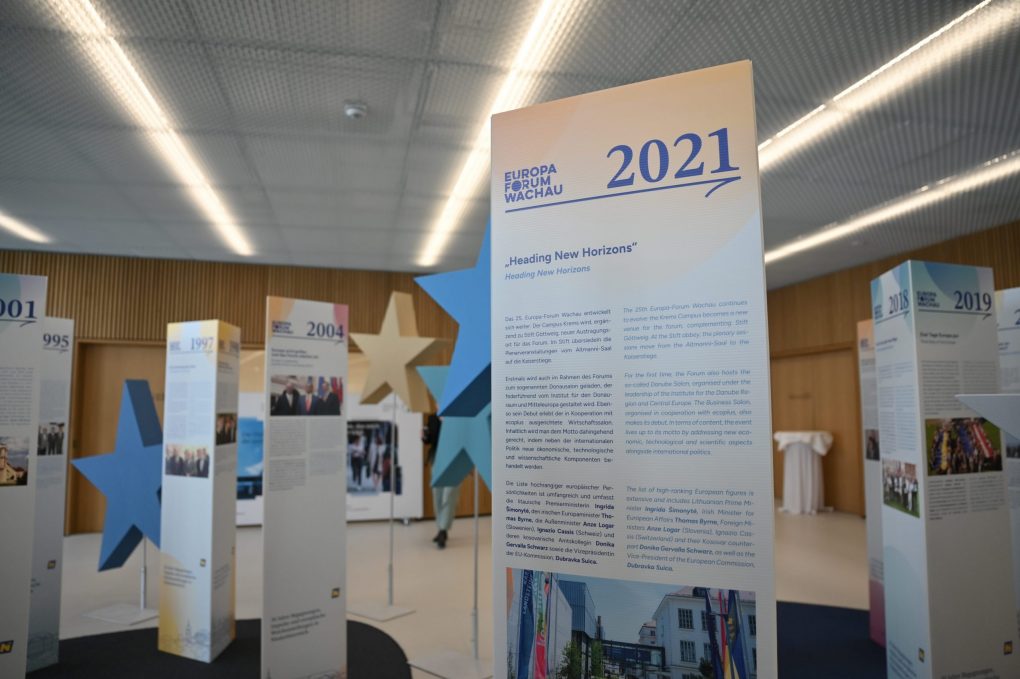
The Minister of National Defence, Nikos Dendias, participated in the Europa-Forum Wachau ’26 with the theme “European Security Architecture: From the End of Order to Joint Initiative”, which was held at the University Campus in Krems, Austria.
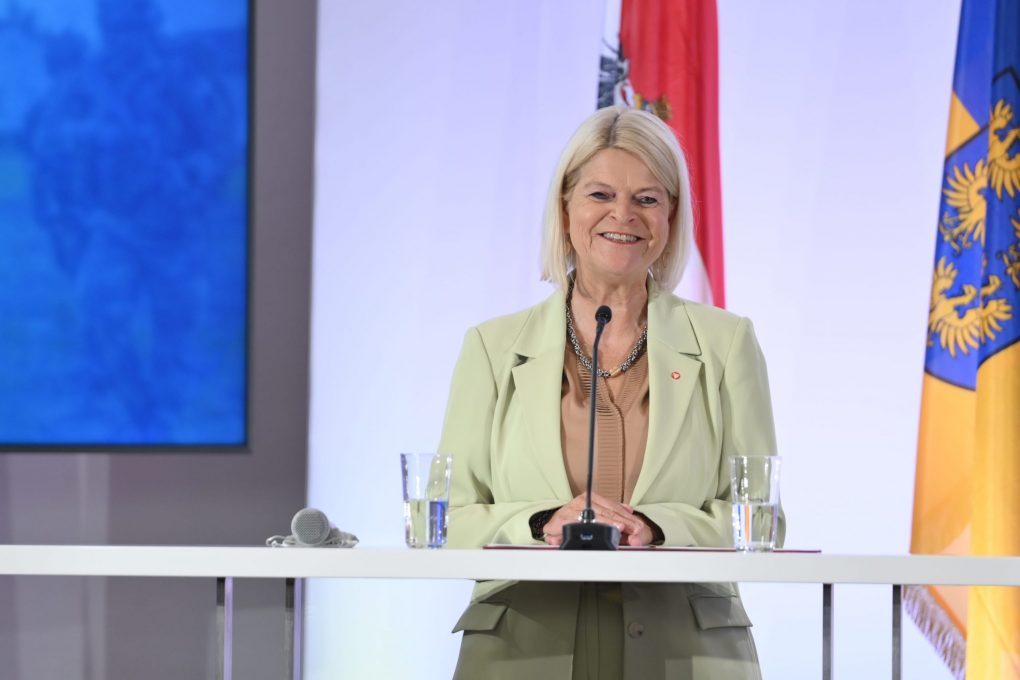
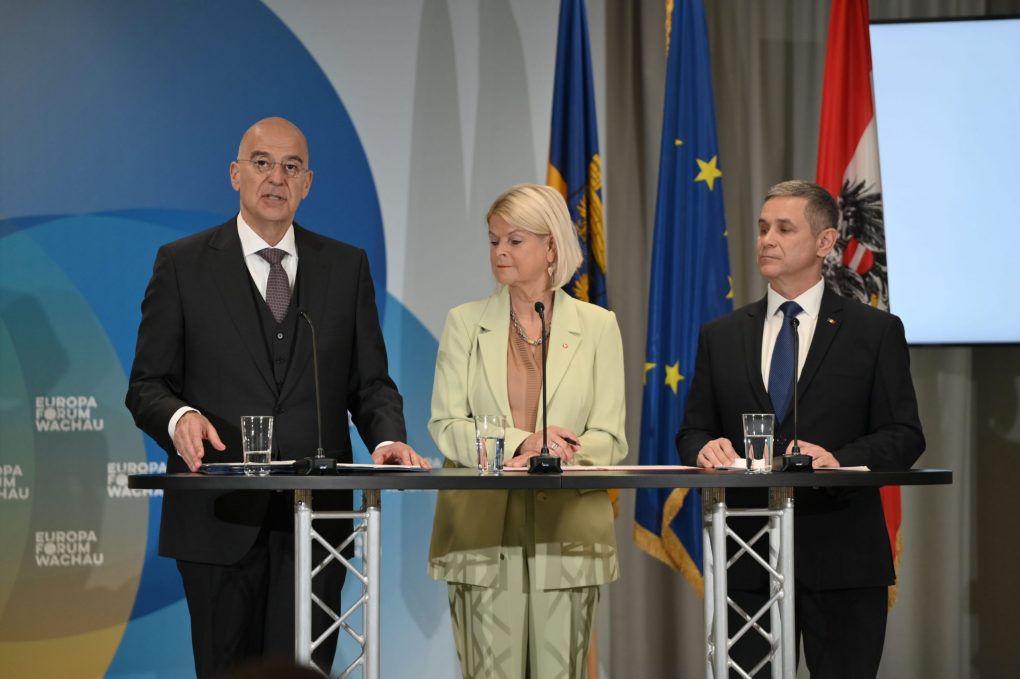
The Ministers of Defence of Austria, Klaudia Tanner, and Moldova, Anatolie Nosatii, also participated in the Forum.
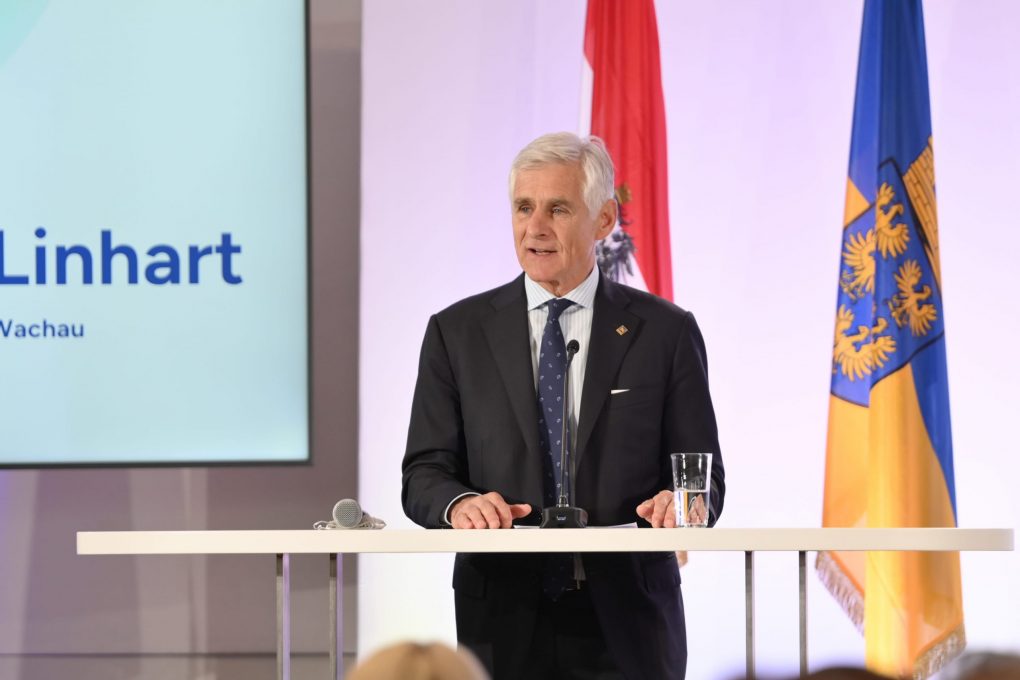
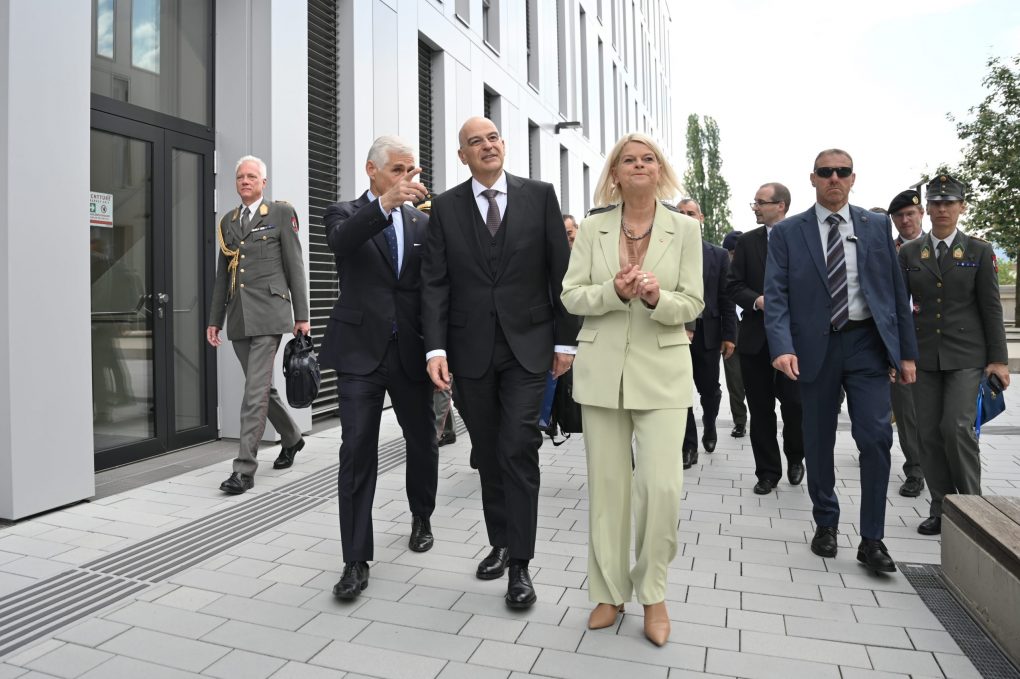
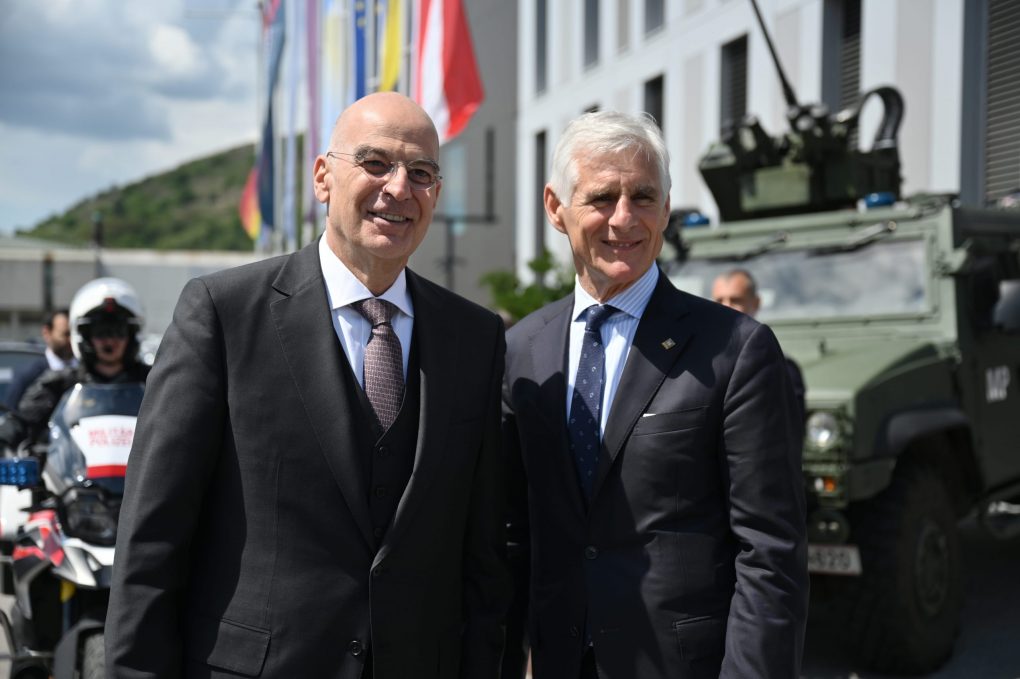
The ministers were received by the President of the Forum, former Minister of Foreign Affairs of Austria, Ambassador Michael Linhart.
The theme of the Forum was dedicated to “Questions of European Sovereignty in a Fragile World Order”, as well as the developments during the three coming decades.
The address of the Minister of National Defence follows:
“Dear Ministers, dear President, dear Ambassador Linhart Michael, Excellences, distinguished participants, ladies and gentlemen,
It is such a great honour for me, both personally and in my official capacity as Minister of National Defence of the Hellenic Republic, to address this distinguished Forum today. A Forum that for 30 years has served as one of Europe’s most consequential platforms. Platforms for reflecting on our common future.
The theme you have chosen for this anniversary edition, “The next 30 years”, is deceptively simple. It is an invitation to assess where we stand and a challenge to speak honestly about what Europe has yet to become. When the first “Europa” Forum was convened in 1995, the architecture of European security rested on assumptions, which since then, have unfortunately been systematically dismantled. Peace on our continent was treated as an irreversible condition, not as a responsibility requiring constant investment. Defence was viewed as a residual function, something to be managed rather than shaped.
Technology was viewed primarily as a driving force of economic prosperity, not as the terrain on which future conflicts were going to be decided. Each of these assumptions was refuted by events. What was treated as certainty has been proven fragile at least. What was deferred has become most urgent. What was once considered exceptional has now become mainstream. My country, Greece, not a big country, a middle-sized European country, is not observing those developments from a comfortable distance.
Situated at the crossroads of three continents, at the meeting point of the Eastern Mediterranean, the Aegean, and the Balkans and serving as a bridge among Europe, the Middle East, and Africa, we operate in a security environment that is by any measure among the most demanding in this world. And, unfortunately, we cannot afford the luxury of strategic ambiguity. The threats we face are constant and evolving. Revisionism, the instrumentalisation of migration, and the persistent contestation of sovereign rights are not theoretical concerns to be discussed in Forums for us. They are daily realities.
It is precisely this experience that has lead Greece to steadily invest in defence. Today, Greece allocates more than 3% of its GDP for its national defence, the highest rate among most EU Member-States, and one of the highest in NATO. This is not a policy of choice. It is the result of necessity. Today’s discussion focuses on defence and technology.
Allow me to be direct. Those two are not any more separate. The battlefield of the 21st century is not defined by mass. It is defined by the speed of decision making, the amount of sensors, the resilience of networks, the ability to integrate artificial intelligence into operational planning, command and control, and execution. And we in Greece have drawn the appropriate conclusions.
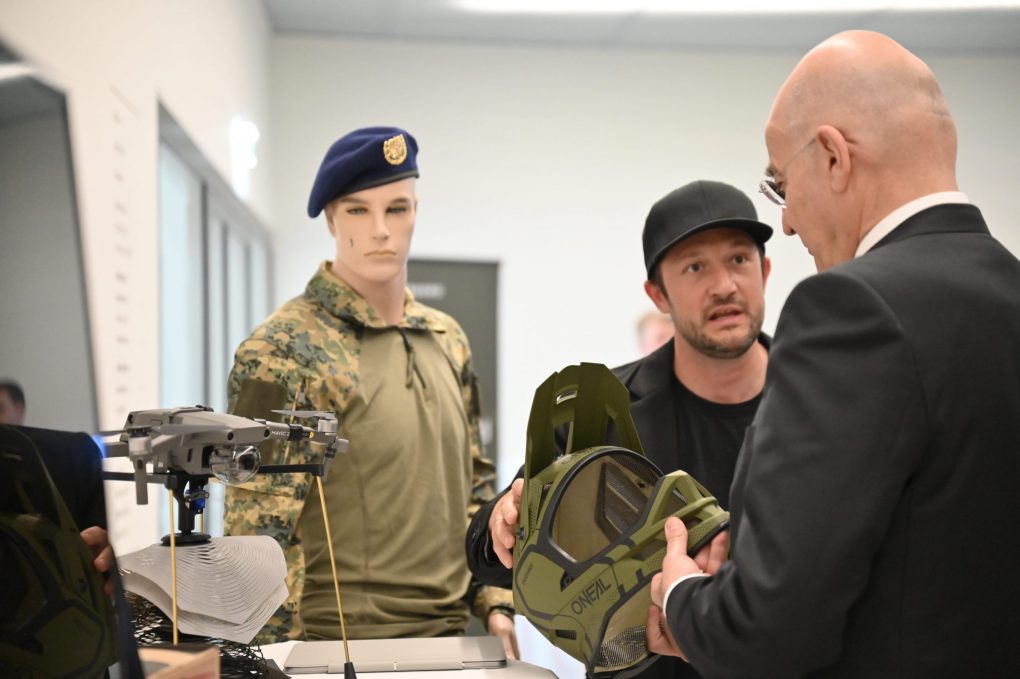
Through our national defence reform agenda, the “Agenda 2030”, we are not simply moving towards acquiring new platforms. We are restructuring the foundations of our defence architecture in a holistic way. The Hellenic Centre for Defence Innovation brings the Armed Forces, the industry, our research institutions to a framework designed to accelerate adaptation and operational effectiveness. We are moving from dependency to participation and from procurements to production. Let me give you an example: our new “Kentavros” anti-drone system, conceived, developed and tested in Greece before being deployed in demanding operational environments in the Red Sea is just one example of this transition; and it is not the only one.
However, again, let me be clear: no European state, no matter how dedicated it is, can address the full spectrum of contemporary threats, through national action alone. And that brings me to the European dimension, which, at this Forum, is the direction that matters the most. Europe stands at a decisive moment in this relationship with its own security. A credible European defence architecture requires four elements simultaneously: political will, industrial capacity, innovation, and technological sovereignty. Each reinforces and contemplates the other. None of those is sufficient on its own.
The European Defence Fund, PESCO, Diana, and the NATO Innovation Fund are important steps towards the right direction. Allow me to also refer to SAFE, a financial instrument born from the urgent necessity to strengthen Europe’s defence industrial base. The urgency under which SAFE was conceived led to mistakes. And I would like to speak plainly to you.
It also left unresolved structural questions about Europe, which need to be addressed now. Any interpretation by certain partners, that the SAFE regulation entails the unconditional financial support of the defence industry of those who threaten us and make claims against us, cannot be regarded as some sort of neutrality. A coherent European Security and Defence Policy presupposes a common understanding of threats and full respect for the sovereign rights of all member-states. And there is a conception that SAFE consists of free money, that we are somehow losing if we do not spend. SAFE, ladies and gentlemen is not free.
It’s a loan, borrowed money. And while the objective of the SAFE instrument are understood within the broader effort to strengthen the European defence and technological industrial base, serious practical concerns arise regarding the implementation framework. In particular, the requirement for rapid expansion of national industrial defence capabilities within an exceptionally compressed time frame creates substantial issues for member-states.
Let me give you a very clear explanation out of text, to understand what I am saying. With safe, as it is conceived today, agreements have to be reached within the same year. Klaudia knows that very well. And whatever we order, we have to get by 2030.
Can you please tell me how possible it is for new production lines and new factories to be created in Europe within that time frame?
The clear answer is no. If we order a new submarine tomorrow, we will receive it after 12 or 15 years. But even if we order a new tank, we are not going to receive it in less than 5 or 6 years.
So, what we are doing by the way the SAFE mechanism is perceived is that we are spending money on existing projects, existing production lines, and existing companies, which inflates the price of what we are getting against what we wanted to do. So, to put it back to the economic spectrum, we have a problem on the supply side and instead of curing the supply side we inflate the demand. It is totally wrong. We have to be more clever and innovative about how we spend our money, how we try to address the challenge we are facing.
And I have to say that “SAFE 2” must evolve, as we have already started discussing. Mr. Kubilus was in Athens 2 or 3 days ago and I started that discussion. We have to evolve into a disciplined instrument of sovereign resilience. We also have to address the fiscal damage. Fiscal restraints that discourage long term defence investments and daily industrial absorption must be corrected, while bureaucratic hesitation must be avoided.
When strategically designed, defence expenditure is not a burden for economic development. It is a source of specialised employment, industrial expertise and technological capacity that strengthen both prosperity and security. We have seen economies of mid-sized countries that have used defence expenses in that way. The countries that will shape the next 30 years of European security are not necessarily those that spend the most in absolute terms. Throwing money at the problem is almost never the answer.
Those that will win are those that will spend cleverly, investing in dual use technologies, research and innovation, and in the human capital that is capable of turning scientific excellence into operational advantage.
Distinguished guests, Greece’s geographical position is not merely a reality of geography; it is, in my opinion, a strategic asset. Let me give you an example: the port of Alexandroupolis in north-eastern Greece, now recognised as a critical NATO logistics hub. If we were discussing about Alexandroupolis in a NATO Forum 10 years ago, nobody would be able to place it on the map. Now, it has a significant role in the maritime security of the Eastern Mediterranean and a very important role in helping Ukraine.
And I have to say that, as we speak, Greece, upon transforming its Armed Forces, also has one of the biggest and most capable Air Forces in Europe. We have more than 200 fighter aircraft, as well as more tanks than the United Kingdom, France, Germany, the Netherlands, Denmark, Belgium, and Luxemburg, I could also add Spain and Portugal, combined. And we have more Frigates than most of our European neighbours. As we speak, our army can produce thousands of First – Person Drones every year and, I hope, in two years’ time we will be able to say that we produce millions. This is within our budgetary framework.
Because we see our needs as problems to be solved, not as just a demand list for purchase. And we do that through what we have created: an innovation network, which does not ask the military to create a list of demands, but to produce a list of problems that need a solution.
Going back to the European dimension, of course, if Europe intends to speak a language of strategic credibility, then collective defence obligations must be quantified in mechanisms with predefined operational thresholds and concrete commitments.
Article 42, paragraph 7, cannot remain dormant or be activated selectively according to circumstances. Ambiguity can serve diplomacy in periods of equilibrium, but in moments of crisis, ambiguity can unfortunately become a form of paralysis. An alliance and a union that take the contribution of their exposed members seriously are stronger, more legal, and, ultimately, more durable than those that save solidarity only for moments of great crisis. The time for structural solidarity is now.
Ladies and gentlemen, not that far away from here, you know that better than me, stands the famous and very beautiful city of Vienna. The brave men that gathered there centuries ago, in order to defend it had understood something that the rest of us in Europe have gradually forgotten: that peace is to be won. Peace is something that must be constructed, preserved and, when necessary, defended at all costs. The Siege of Vienna in 1683 was much more than just another military confrontation. It represented a clash between competing ideas of order, values, and systems.
One focused on maintaining the existing political, religious, and cultural identity of Europe, while the other had to do with imperial expansion and the expansion of a different political and religious realm. Its significance, however, is more than a simple narration of one side against another, an empire against another. History is rarely ever that clear; and history repeats itself in many forms and shapes and we must examine its lessons very closely.
The lesson of Vienna still carries significant importance today. Societies have to defend themselves. Tradition, freedom, and identity do not survive on their own. They survive when people decide to fight for them.
Today, just like in the past, Europe’s fragility does not stem only from external pressure, but also from the way of our own openness that can be exploited. Third actors do not necessarily challenge the Union directly, although some do. They learn our rhythm and work through our gaps and gradually turn our procedural softness into their strategic leverage against us. What may begin even as an act of cooperation can, over time, become a dependence, which, if left uncontrolled, can become a constraint. We have seen that in the energy field. So, this is how one influence is neutralised without confrontation. Not by breaking Europe, but by using our own rules against us.
So, the next 30 years will be defined not by what we wish for, but by what we are ready and prepared to build. And Europe cannot view the security architecture as just a market. Strategic convenience and financial gains should not outweigh our principles. When defence is shaped without regard to democratic values and foundations, the systems built to protect us may apply pressure to the very values they were meant to protect over time. Our era and the following decades require a Europe that is sovereign, capable, united, but most of all ready to defend itself, its values, and its peoples. Thank you very much”.
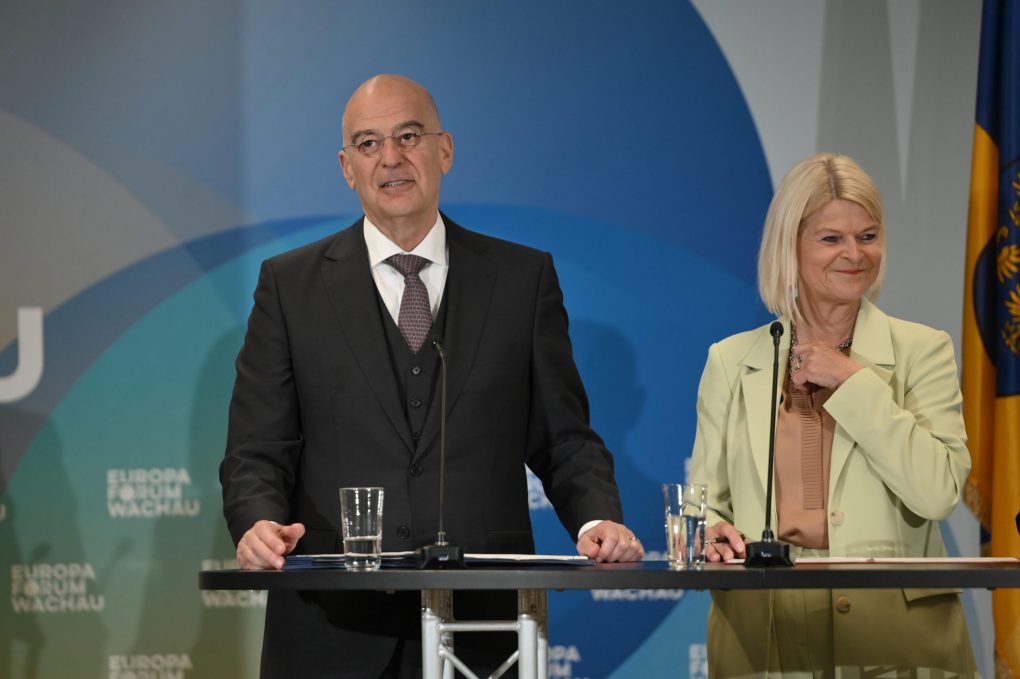
After the Forum, the three Ministers made joint statements.
Mr. Dendias stated:
“Dear Klaudia, dear Anatolie,
First of all, allow me to express my sincere gratitude to you and Ambassador Linhard for the warm hospitality extended to me here in Austria.
Our meeting today confirmed something deeper than just an understanding. It confirmed that in a period of uncertainty, European nations are rediscovering the strategic value of cooperation, trust, continuity, and common values. Greece, Austria, and Moldova may stand in different geographical centres of Europe, but we all face common challenges.
The security architecture of our continent is being tested by war, geographical revisionism, hybrid threats, cyber-aggression, energy volatility, but also by migratory flows, and these are not isolated phenomena. They form a landscape of systemic instability that is present in the world during the 21st century.
Greece, like Austria, evaluates the challenges that Europe is facing from a 360 degree perspective and, allow me to say, that I believe that Moldova also shares the same approach. In this context, I have to acknowledge the solidarity of Austria during the events of 2020 at Greece’s Eastern land borders, in river Evros, where organised migratory pressure was weaponised in an attempt to challenge not only the sovereignty of Greece, but also the cohesion and resilience of the European Union itself.
Greece deeply appreciates the support of Austria at that time, because the external borders of Greece are also the external borders of the European Union, our common borders. This understanding is what lies at the very heart of Article 42 paragraph 7 of the Treaty of the European Union. The principle that the security of one member-state concerns the security of all member-states.
Ladies and gentlemen, dear friends, strategic solidarity cannot remain a theoretical clause, which is reserved for extreme circumstances. It must evolve to a living, European reflex. Europe has developed the capacity, not to merely react to crises, but to anticipate them and shape its own security environment. I believe that this is a common view here today.
Thank you very much”.
After the statements, a bilateral meeting with the Minister of Defence of Austria, Klaudia Tanner, followed. During the meeting, the two Ministers exchanged opinions on the future of the cooperation between Greece and Austria on defence innovation and agreed to intensify their contacts in the future, within the framework of innovation and defence industry enhancement. They also discussed about regional and international developments on the field of security.